
Berkeley's Neighborhoods, From the Inside Out
Multiple distinct neighborhoods. One city unlike any other. I’ve spent years working, selling, and living within Berkeley’s most desirable streets — and I’m sharing everything I know.
What you should know about Berkeley’s neighborhoods before you buy
Berkeley is not one neighborhood — it is many of them, each with its own character, price range, school boundaries, and sense of community. The difference between buying in Elmwood and buying in Northbrae is not just a matter of blocks; it is a matter of what your daily life will look and feel like. I have represented buyers and sellers across all of them, and the single most important thing I can tell you is this: neighborhood selection in Berkeley requires local knowledge that no algorithm can replicate.
The pages below are my attempt to give you that knowledge in one place. For each neighborhood, I’ve covered what buyers actually ask me about: what the homes look like and when they were built, which schools serve the area, where people shop and spend weekend mornings, how the commute works, and what the market has been doing. These are the same things I tell clients on the way to a showing.
If you already know which neighborhood you’re drawn to, click through. If you’re still figuring it out, reach out and I’ll help you narrow it down based on your priorities.
Explore Berkeley's Neighborhoods
6 neighborhoods
Winding streets, Bay views, and some of Berkeley's most significant homes, many with custom designs built into the terrain. Direct access to Tilden Regional Park makes this the city's most coveted outdoor-lifestyle neighborhood.
Explore Berkeley Hills
Built around the Claremont Hotel, now the Claremont Club & Spa, this neighborhood has large homes from the 1920s, local shops on Claremont Avenue, and trail access to Claremont Canyon. Star Grocery has anchored the shops since 1922.
Explore Claremont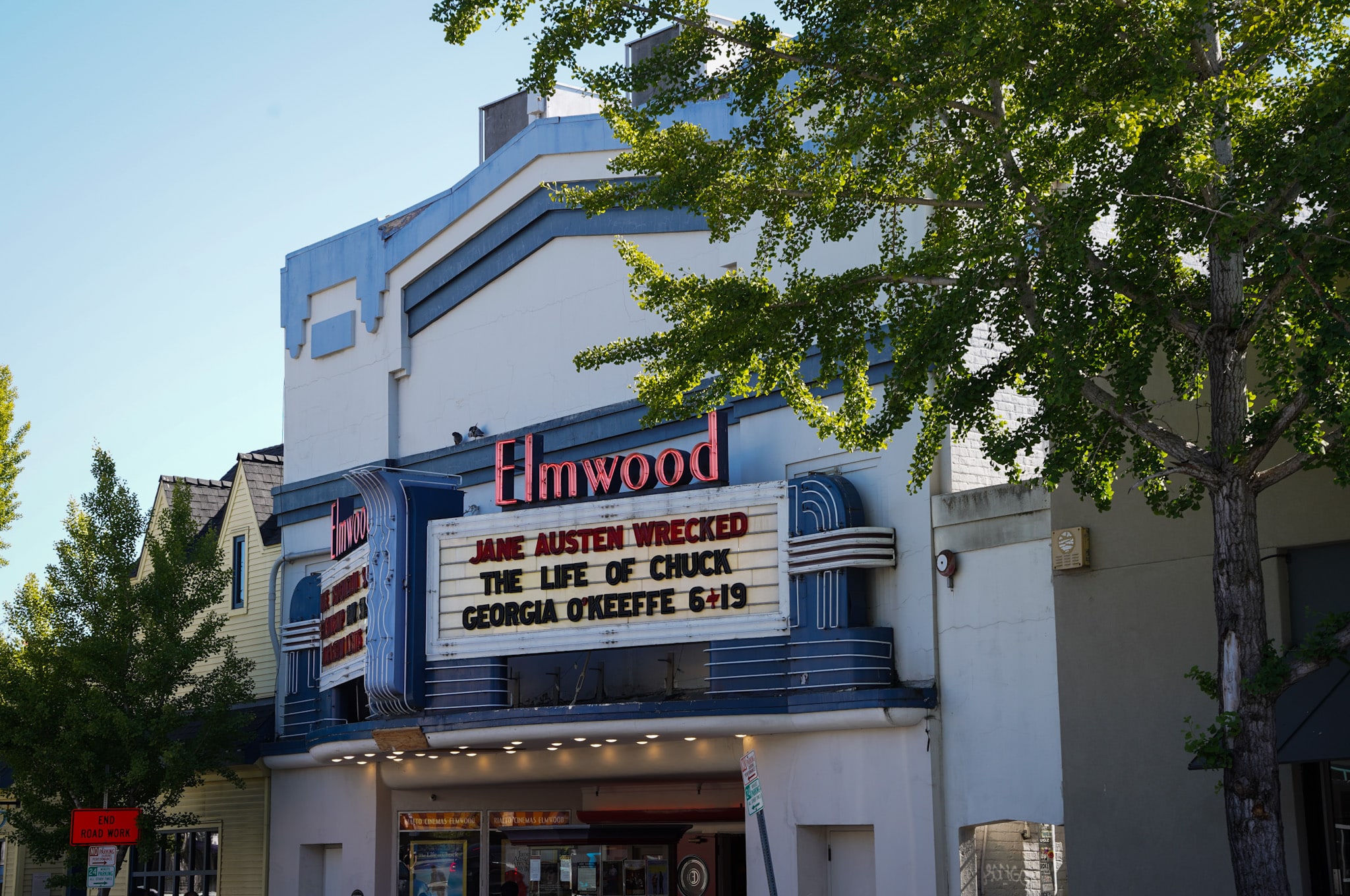
Berkeley's most beloved village district, where College Avenue anchors a stretch of independent shops, cafes, and the historic Elmwood Theater. The Berkeley Playhouse is a neighborhood institution, and demand for homes here rarely softens.
Explore Elmwood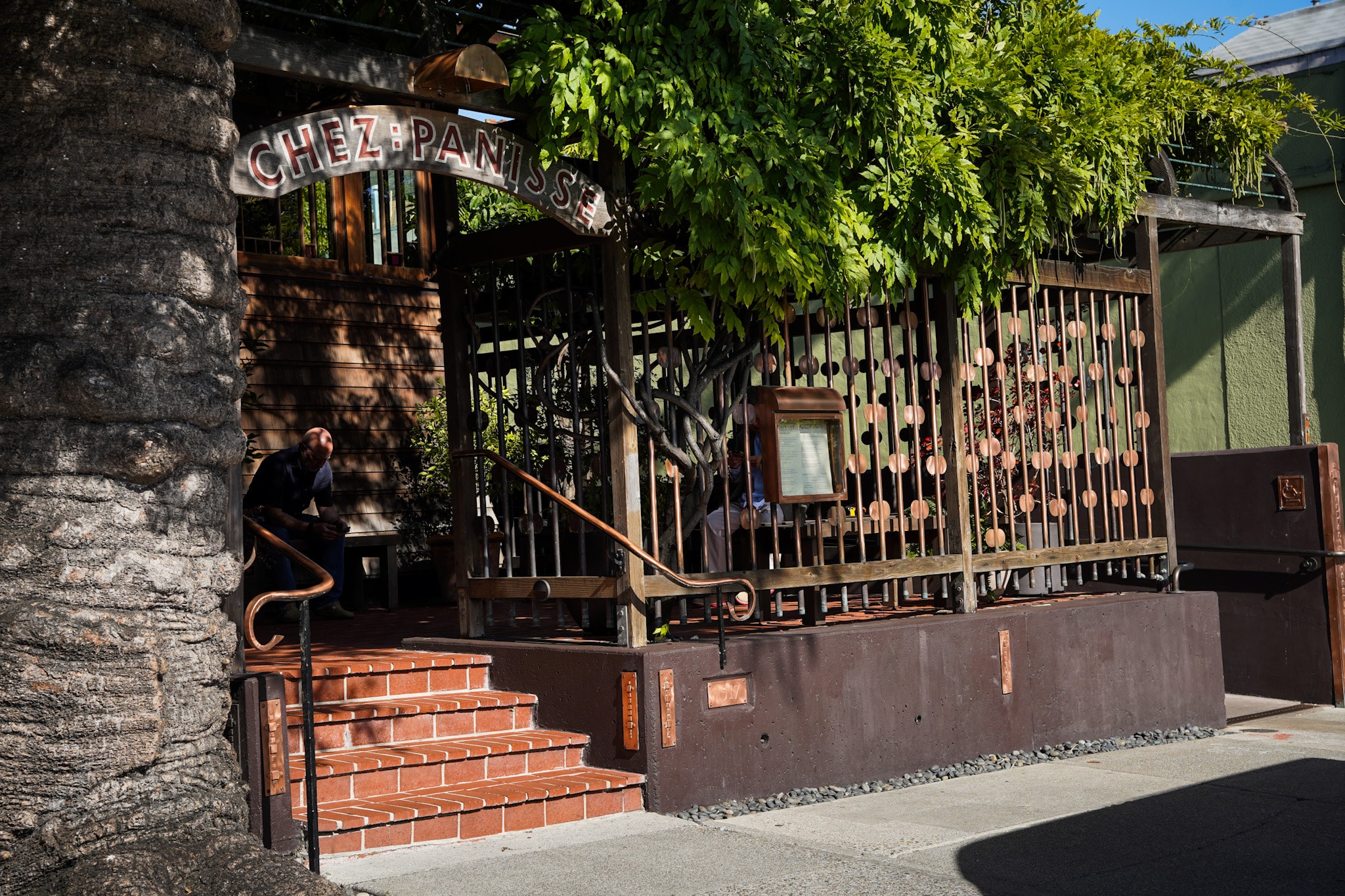
The neighborhood that put Berkeley's food culture on the national map. Chez Panisse, the Cheeseboard Collective, and the Thursday Farmers Market are all part of the North Shattuck dining corridor. Live Oak Park anchors the residential side on quiet, tree-canopied blocks.
Explore North Berkeley
A quieter residential neighborhood anchored by the Hopkins Street shops and the beloved Monterey Market. Indian Rock Park and King School Park give the neighborhood places to gather outdoors, and Solano Avenue marks its northern edge.
Explore Northbrae
Centered on the vibrant Solano Avenue corridor, Thousand Oaks pairs beautifully maintained homes on wide, landscaped streets with one of Berkeley's most celebrated elementary schools and a commercial strip that draws the whole neighborhood out on weekends.
Explore Thousand OaksWhy I believe Berkeley is the most interesting real estate market in the Bay Area
Berkeley’s neighborhoods are not interchangeable. That is the first thing I tell every client who comes to me with a Berkeley search. Elmwood and South Berkeley are separated by less than two miles, but they attract entirely different buyers, command very different prices, and produce very different experiences of daily life. That granularity is what makes this market endlessly interesting to work in — and what makes neighborhood-level knowledge so essential before you make an offer.
What distinguishes Berkeley from neighboring Oakland and Albany is not just price or prestige. It is the density of genuine local institutions: Chez Panisse and the Cheeseboard Collective in North Berkeley, the Elmwood Theater and Bakers & Common in Elmwood, Monterey Market in Northbrae, Oceanview Diner in West Berkeley. These are not chains filling storefronts — they are places that have shaped neighborhood identity for decades. When buyers tell me they want to live somewhere with character, they usually mean they want something like what Berkeley’s neighborhoods actually deliver.
The market reflects that appeal. Berkeley has one of the tightest inventory conditions in the East Bay, with homes in the most sought-after neighborhoods regularly selling above asking in competitive offer situations. If you are seriously considering Berkeley, the time to learn the neighborhoods is before you are in the middle of a transaction — not during it.
Frequently asked questions about Berkeley's neighborhoods
Not sure which neighborhood fits?
I’ve helped hundreds of buyers find their place in Berkeley. Let’s talk through your priorities.