
Sold at $3,500,000
4 BEDS
3,496 SQFT
3.5 BATHS
8,778 LOT
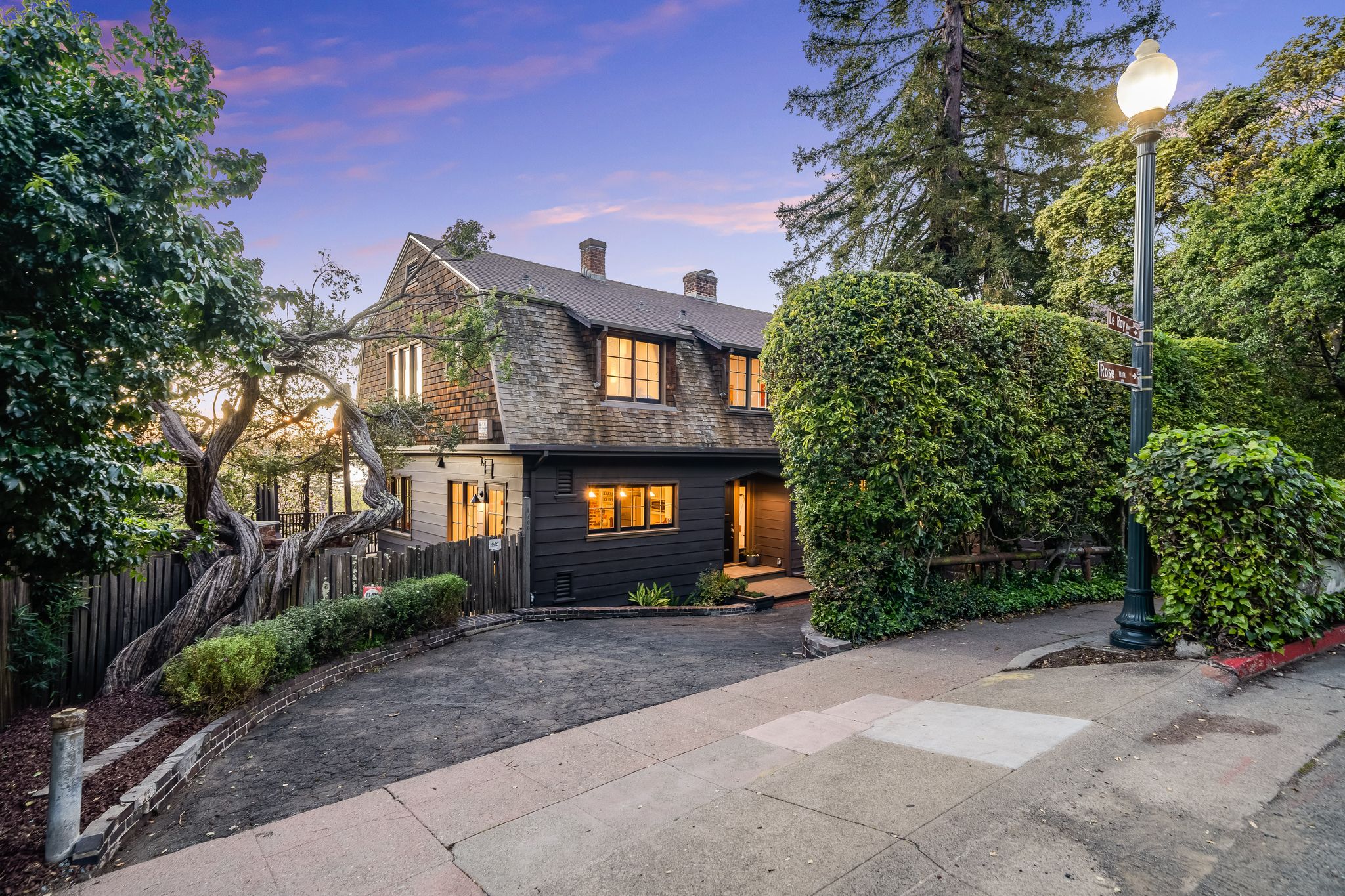
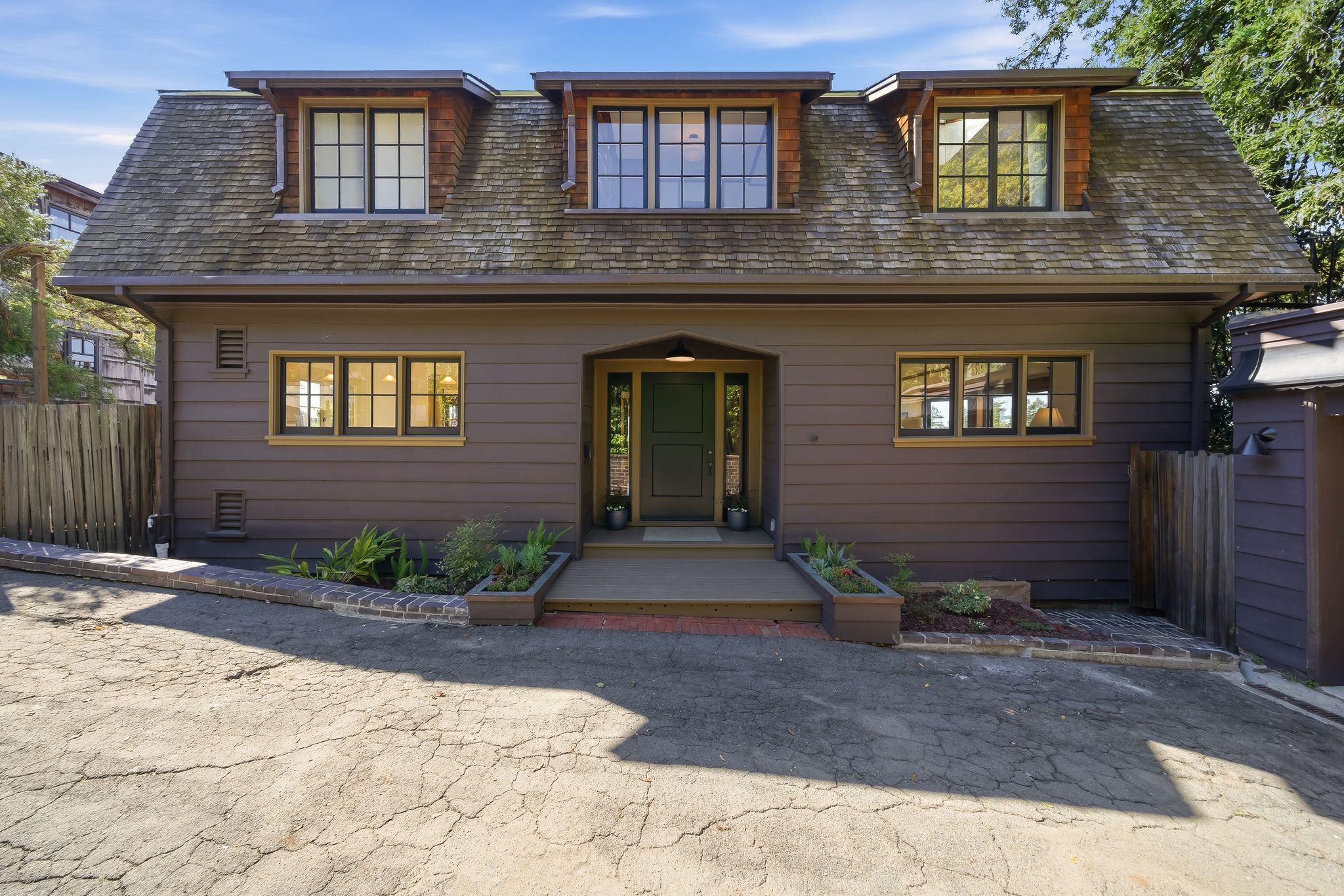
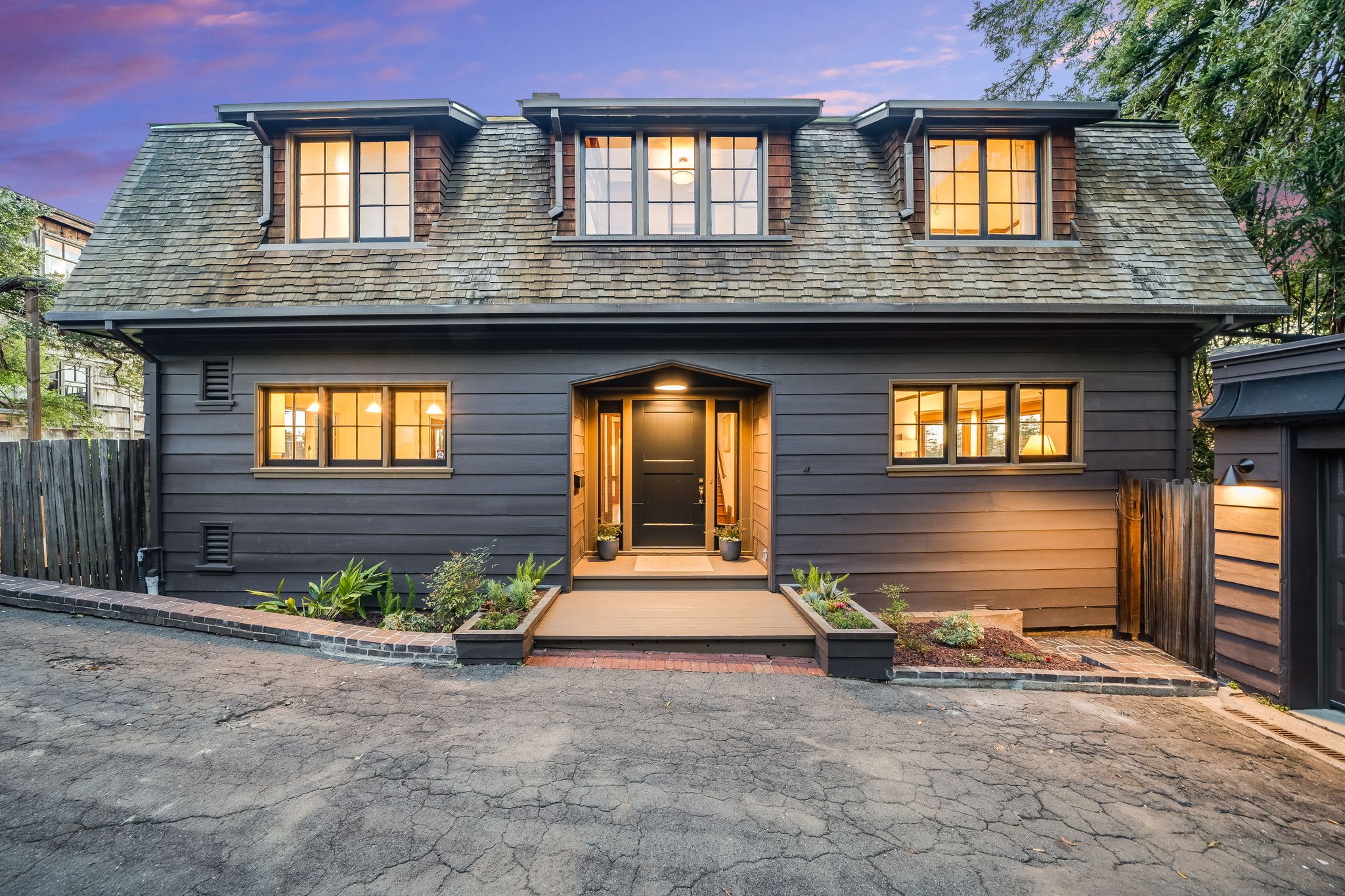
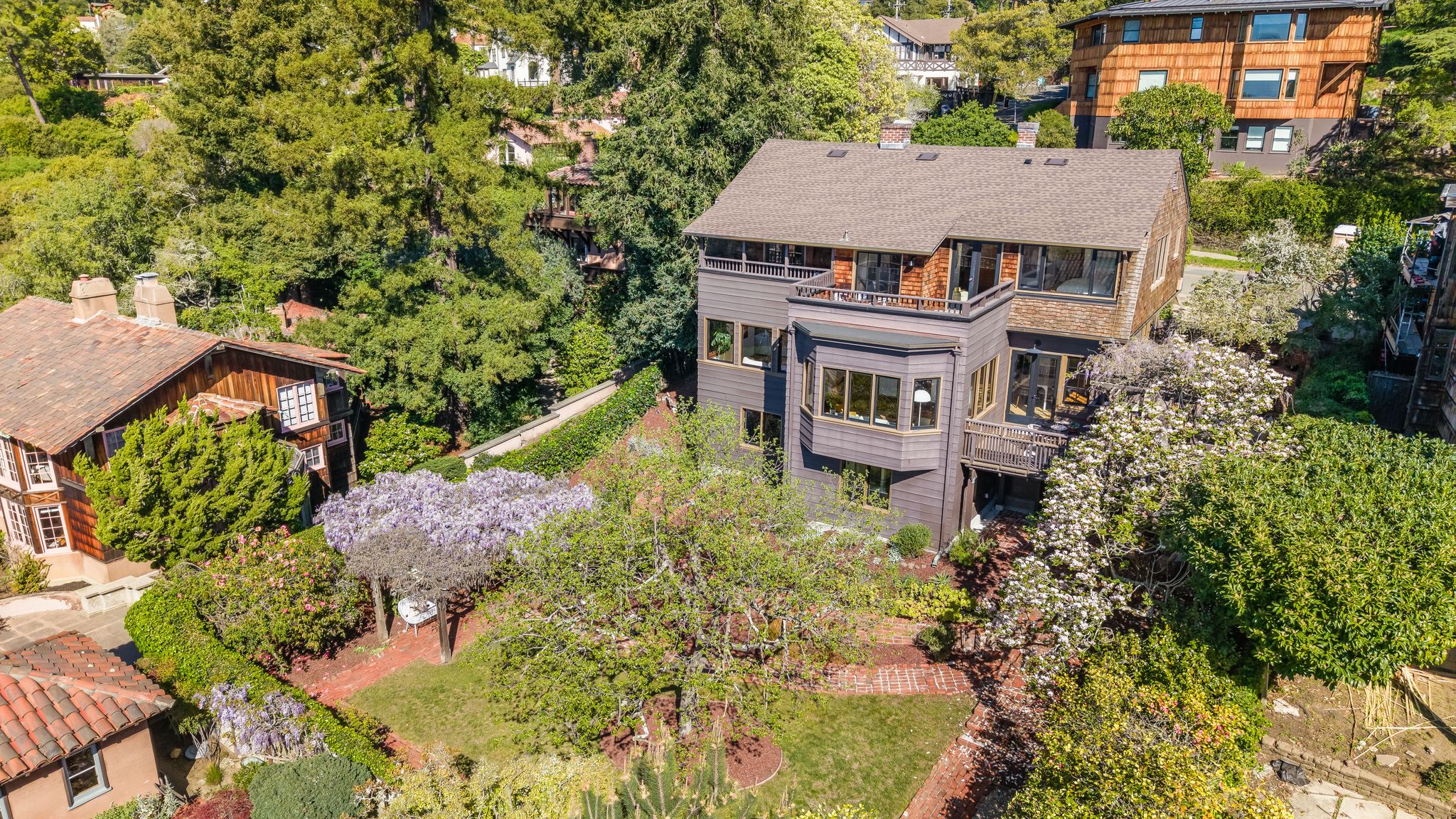
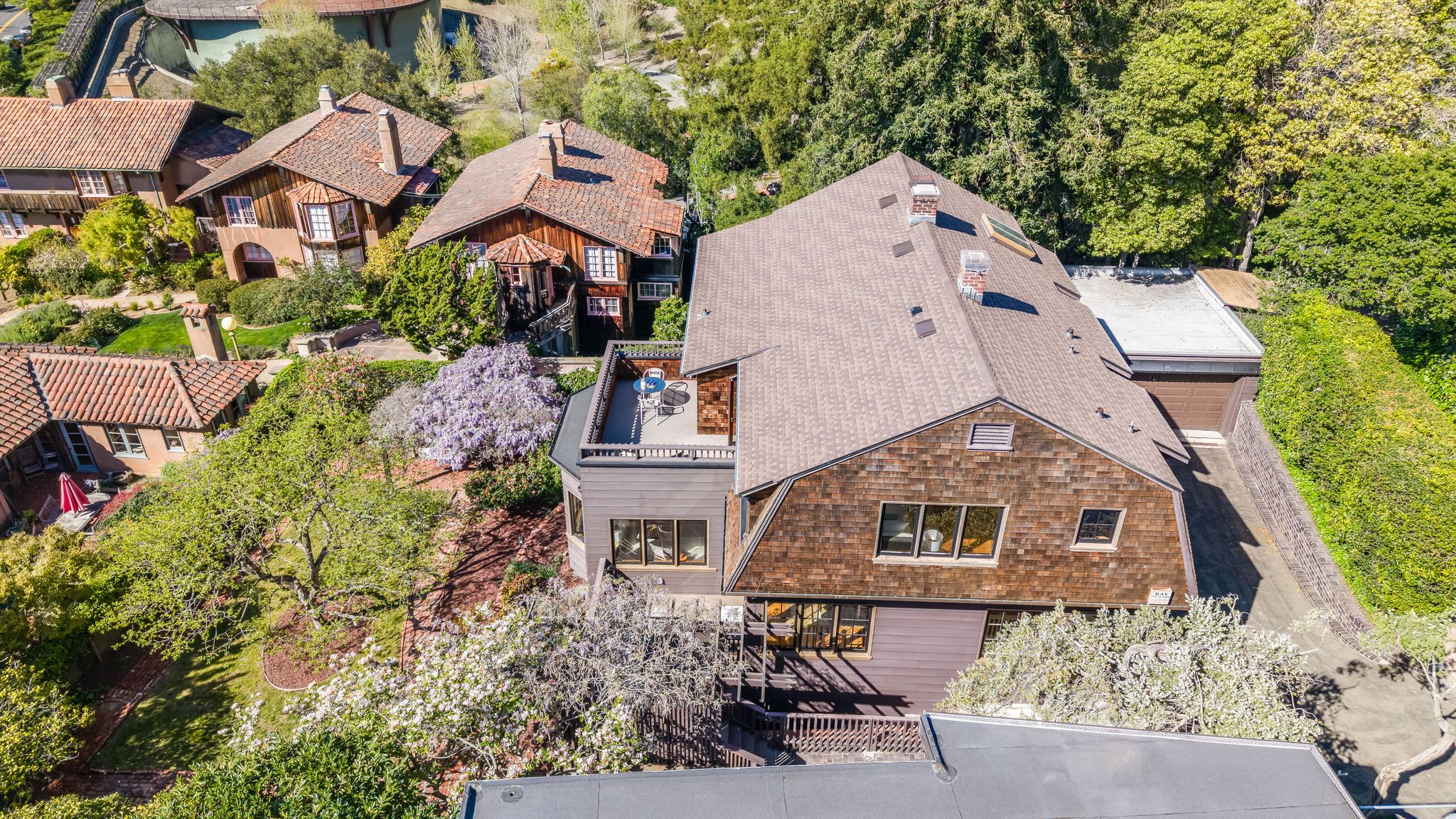
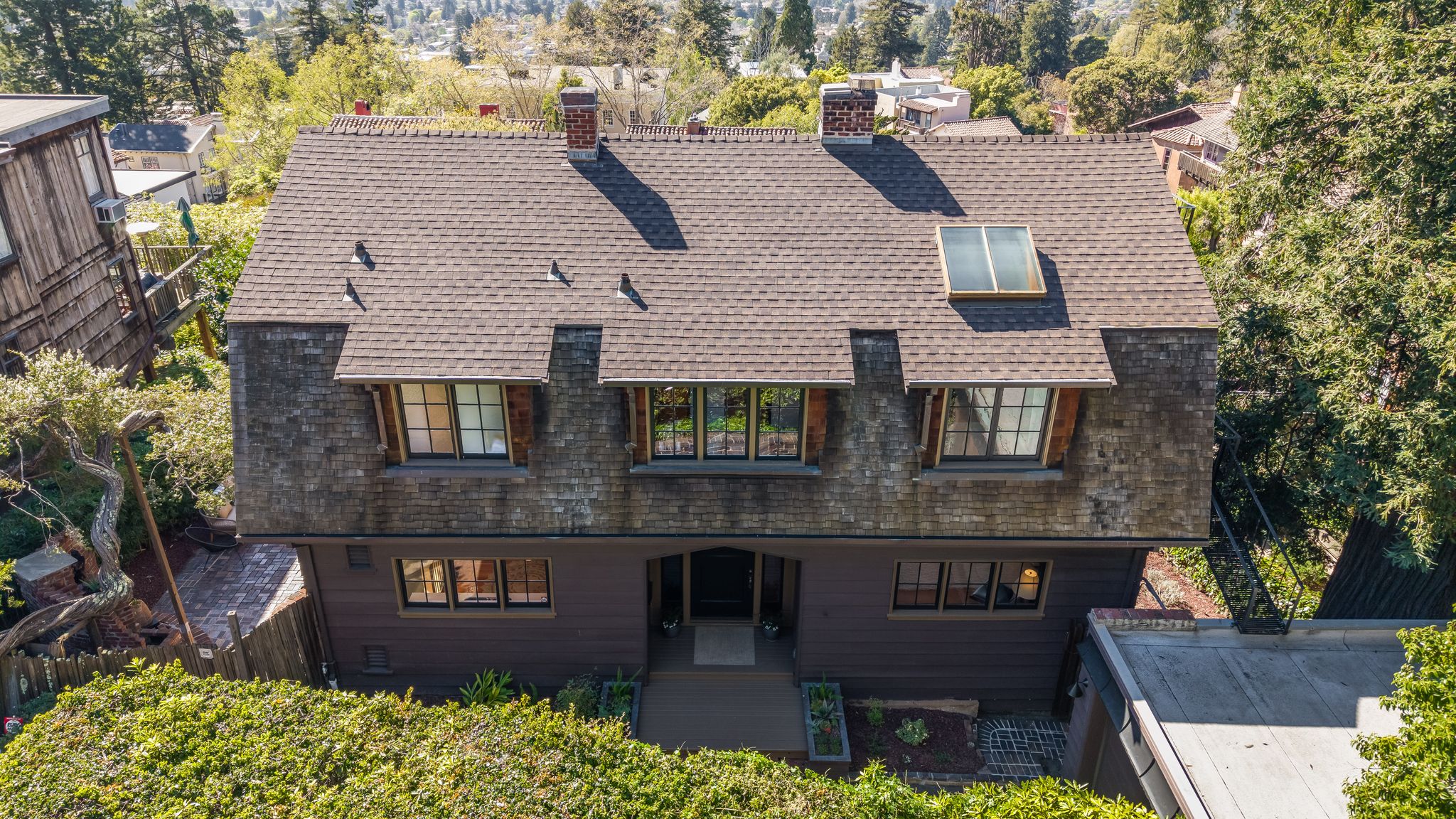
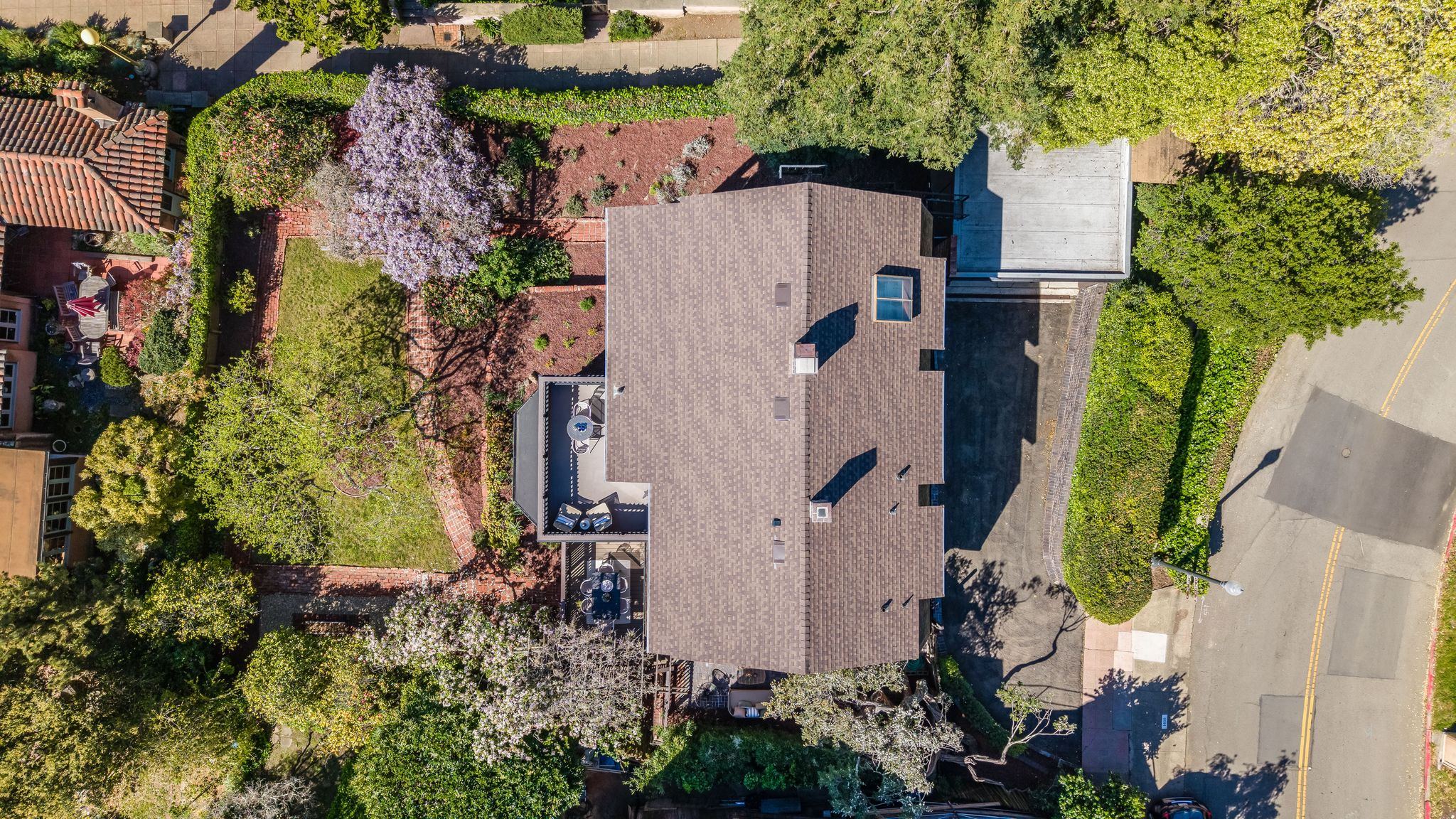
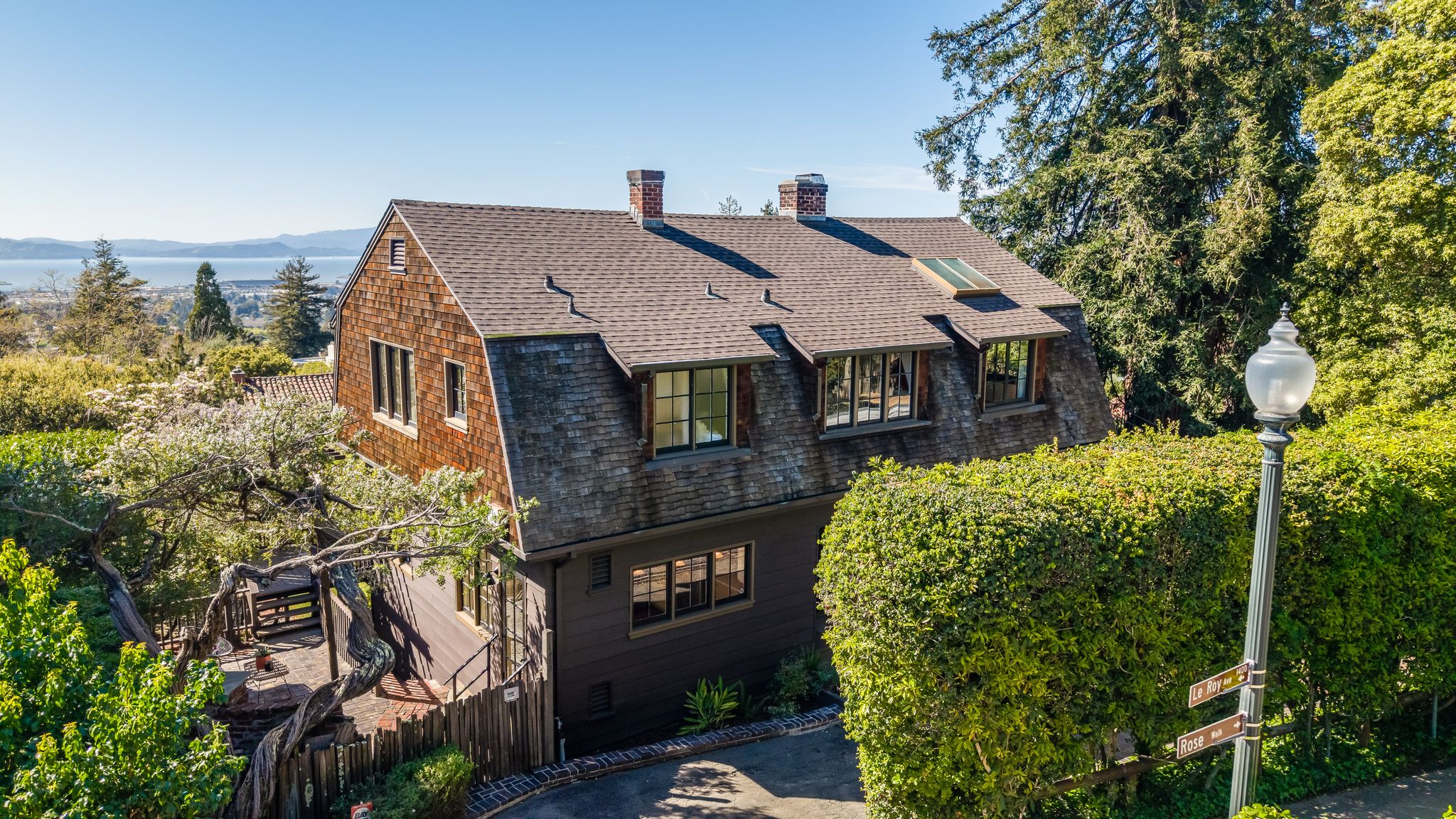
At the top of Rose Walk in Berkeley’s North Hills stands a home that embodies local history: 1400 Le Roy Avenue, an Arts & Crafts residence designed by pioneering architect Julia Morgan, commissioned by independent professional woman Jessie D. Wallace, and carefully reconstructed after surviving the 1923 Berkeley Fire.
Designed in 1910 and completed in early 1911, this residence dates to the first decade of Julia Morgan’s independent practice, a formative period when her architectural philosophy was taking shape through residential commissions primarily in Berkeley. Morgan, California’s first licensed female architect and the first woman admitted to Paris’s École des Beaux-Arts, would go on to design over 700 buildings including Hearst Castle, Berkeley City Club, and Asilomar Conference Grounds. She received the AIA Gold Medal posthumously in 2014, the profession’s highest honor.
The home’s original client adds remarkable depth to its story. Jessie D. Wallace (1869-1920) was a professional stenographer who enrolled at UC Berkeley at age 42, graduating in 1914. Her decision to commission Julia Morgan reflected broader patterns in Morgan’s early practice: many clients were women (educators, professionals, civic leaders) seeking homes that reflected new ideas about women’s roles in society. At 1400 Le Roy, large front windows, open porches visible from Rose Walk, and generous shared spaces reflect this progressive ethos. After World War I, Wallace volunteered with relief efforts for Armenian genocide survivors, ultimately dying in service in Turkey in 1920.
Just three years after Wallace’s death, on September 17, 1923, a grass fire in Wildcat Canyon swept over the Berkeley Hills and through the North Berkeley neighborhoods, destroying more than 600 homes in a matter of hours. Rose Walk was heavily affected, with many original houses lost entirely and later rebuilt by architects including Henry Gutterson. The Le Roy Avenue house was damaged but not destroyed. The reconstruction preserved the home’s original footprint and architectural character. This period of rebuilding is now considered part of the property’s historic narrative, reflecting both the devastation of the fire and the determination of Berkeley residents to rebuild with care and integrity.
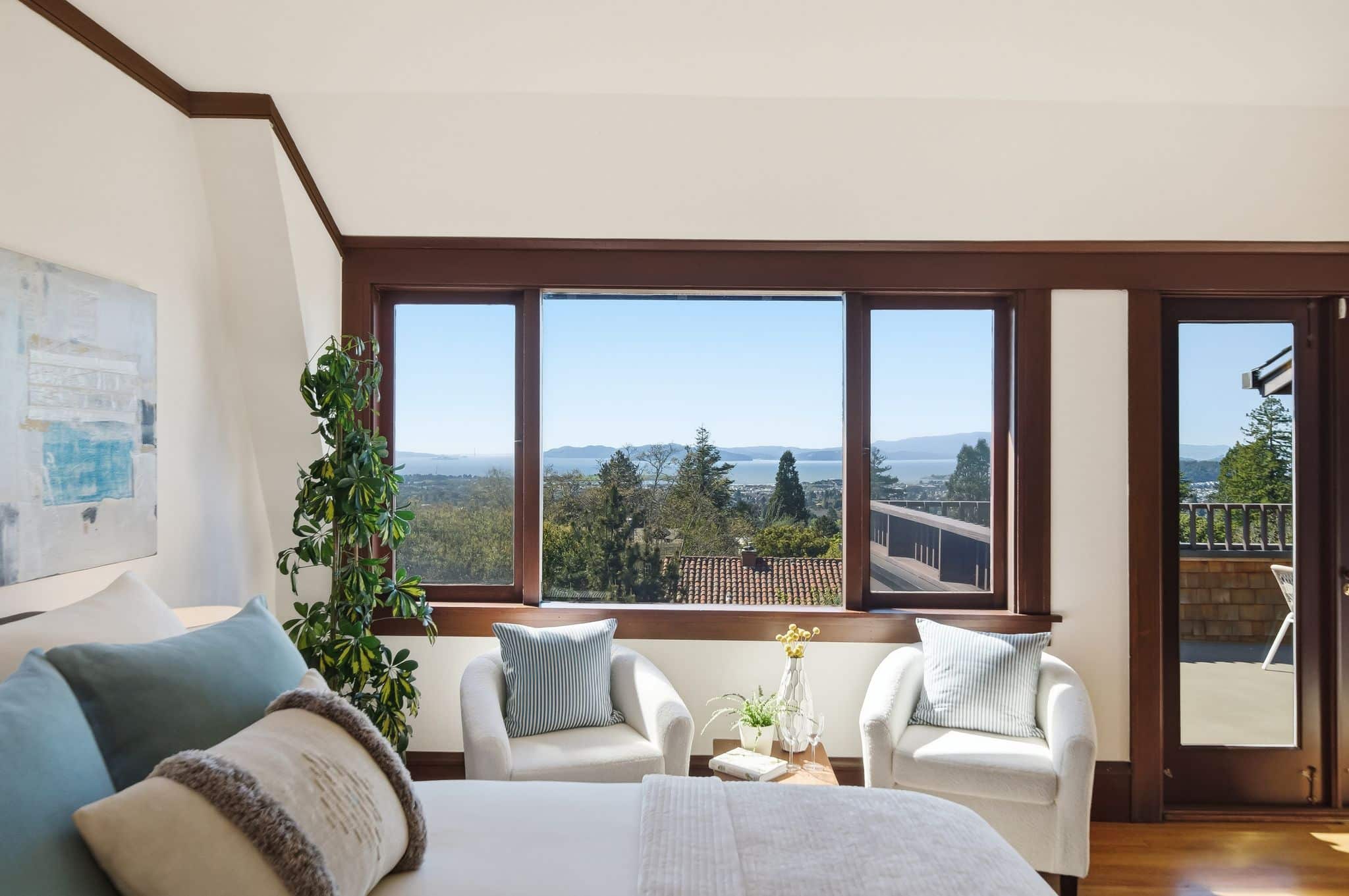
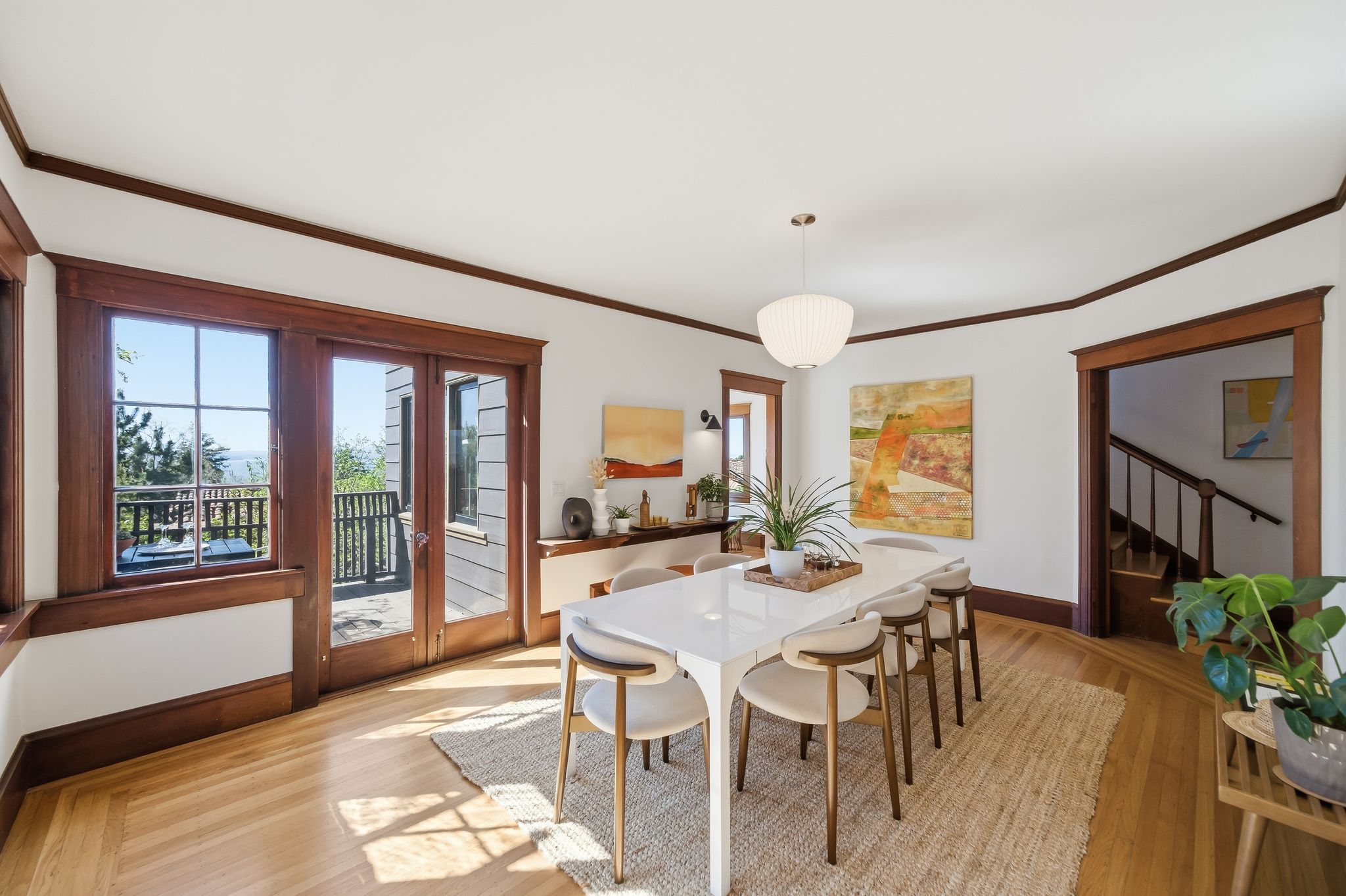
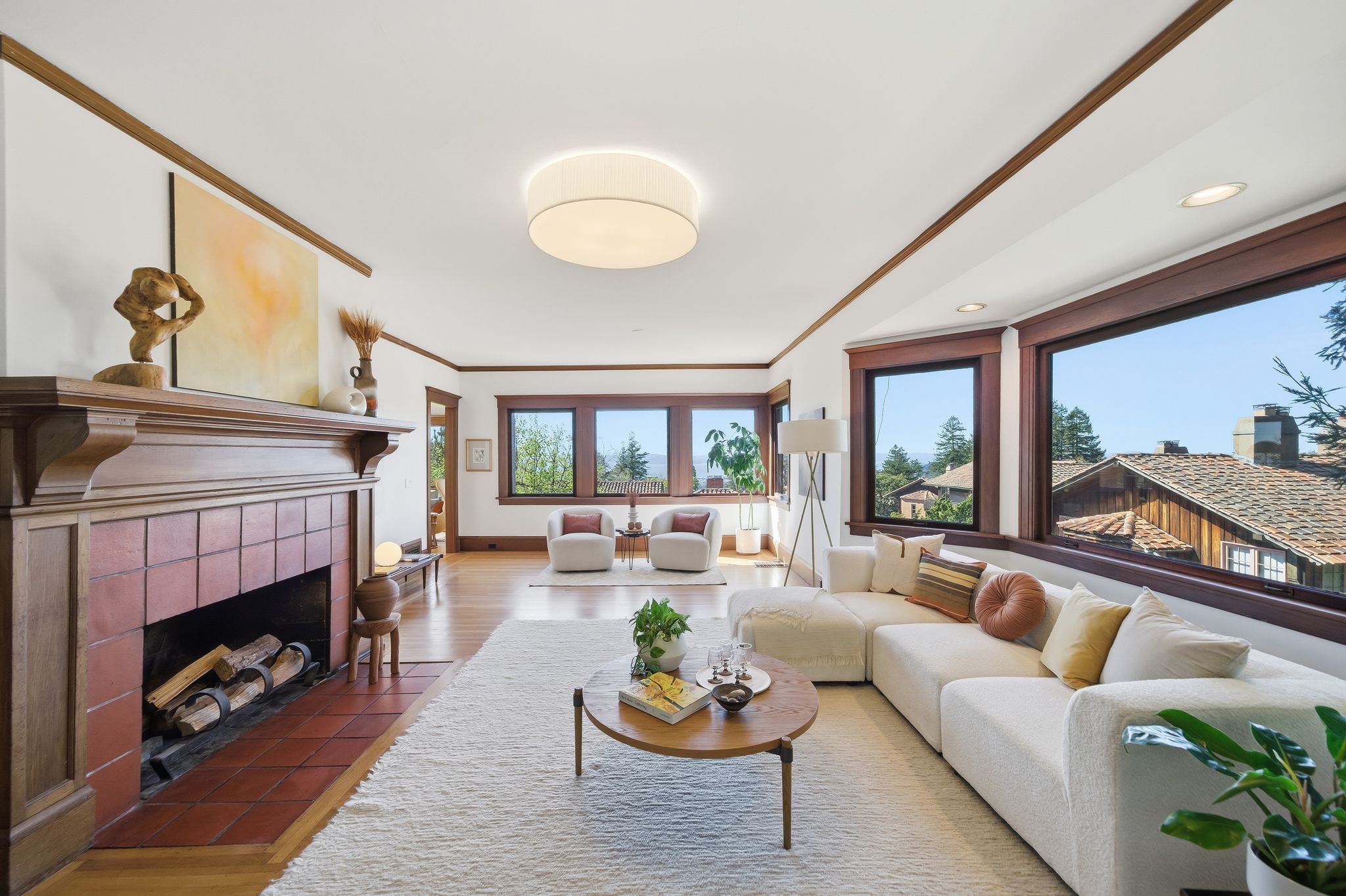
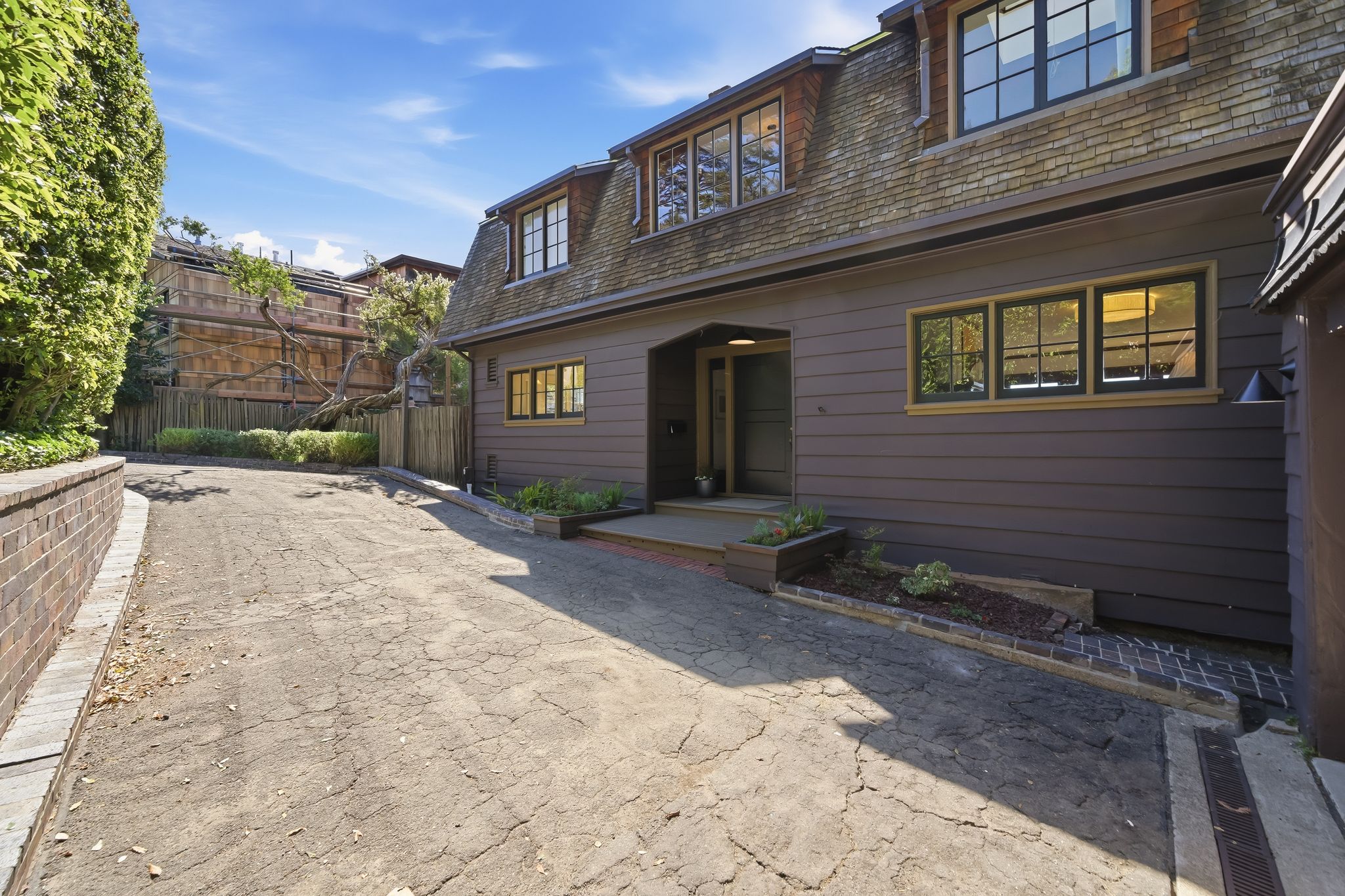
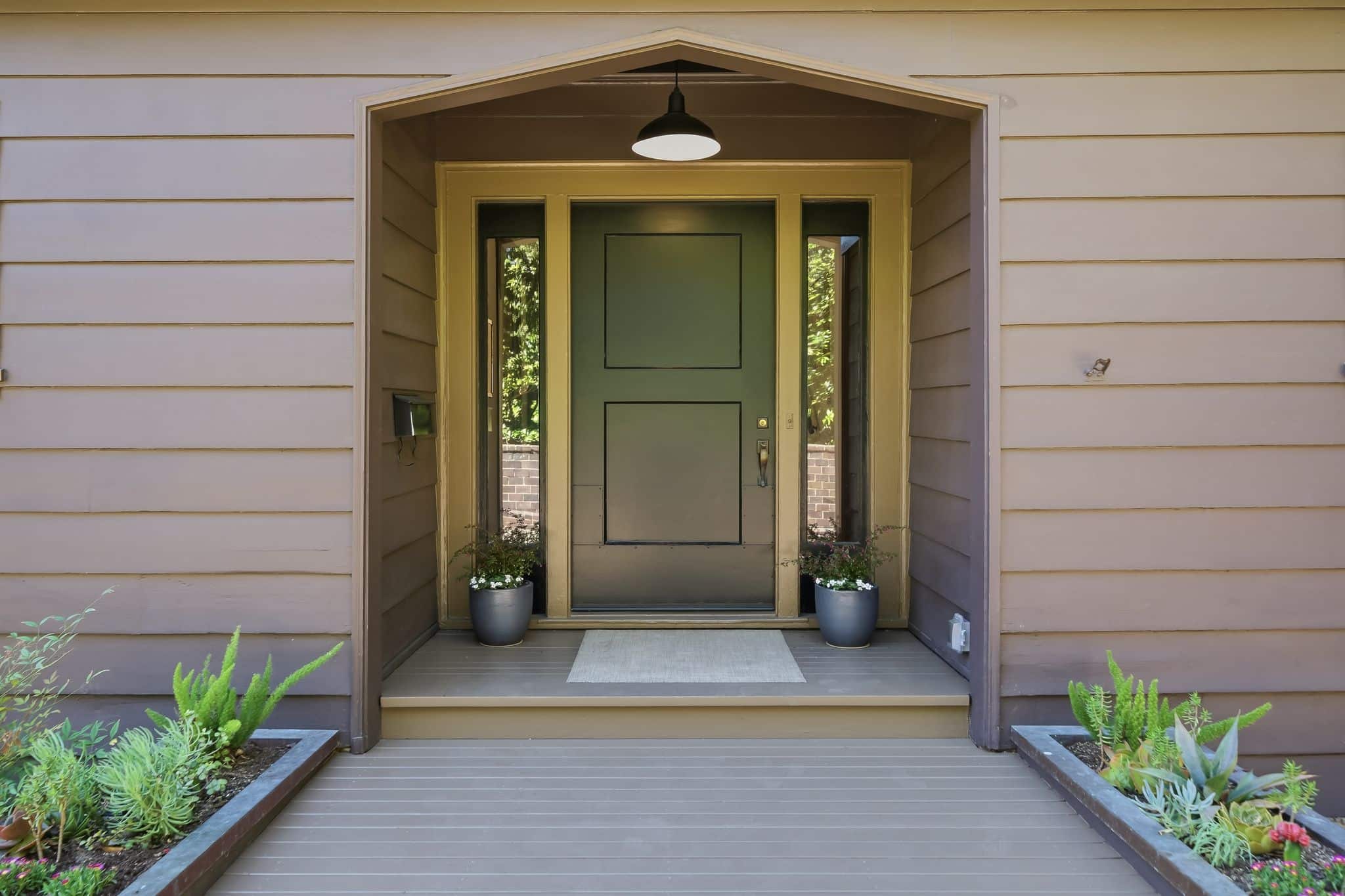
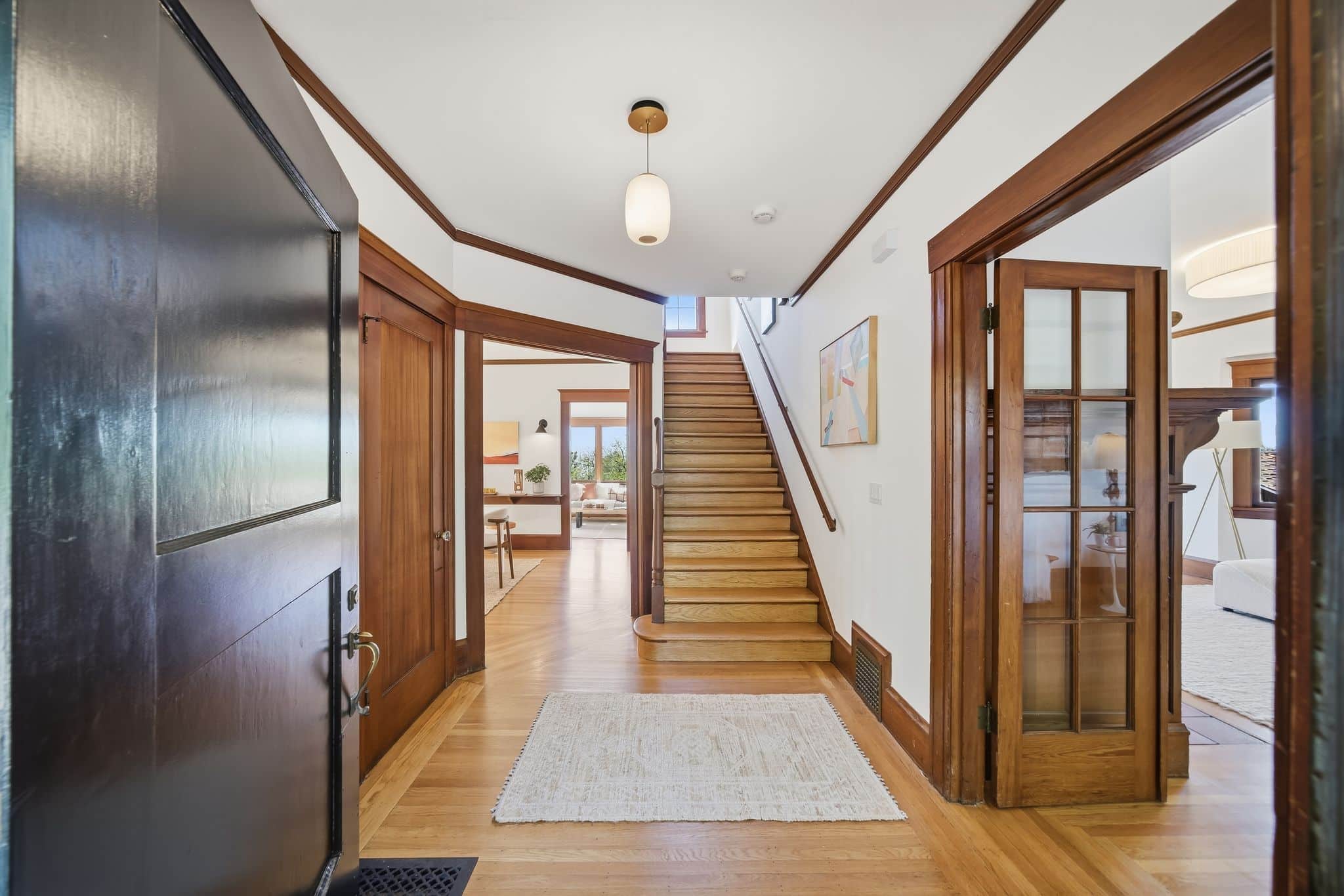
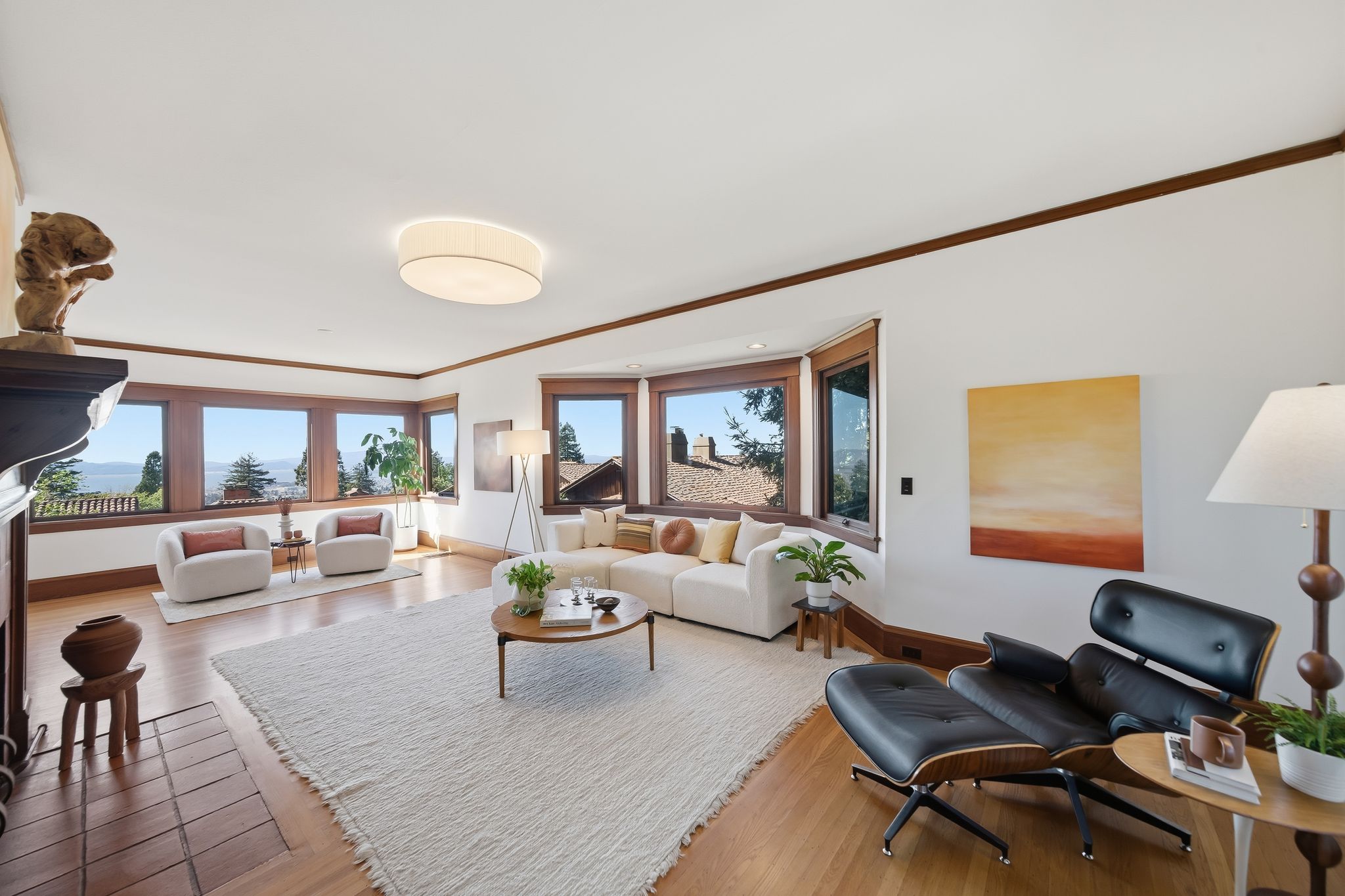
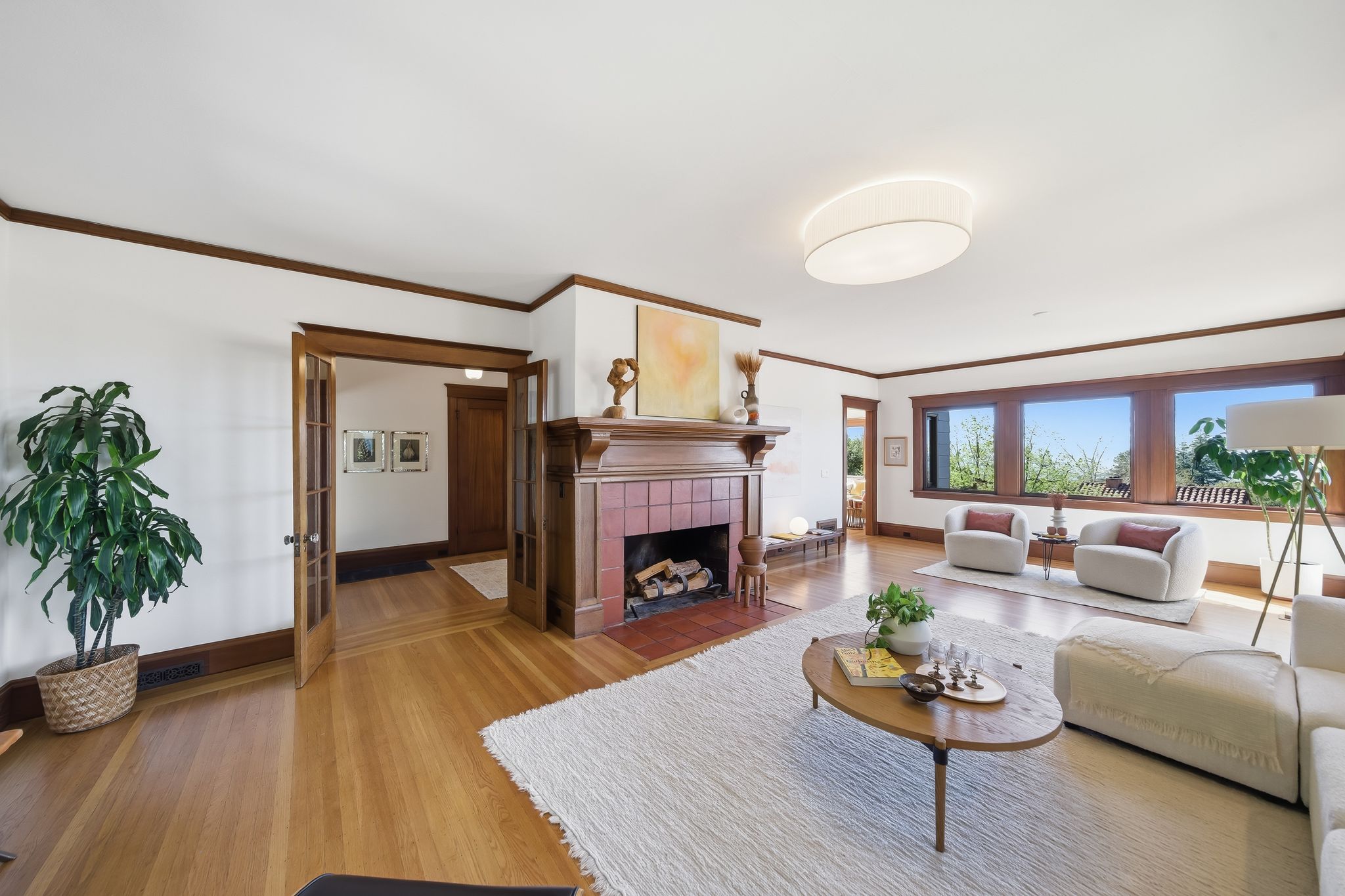
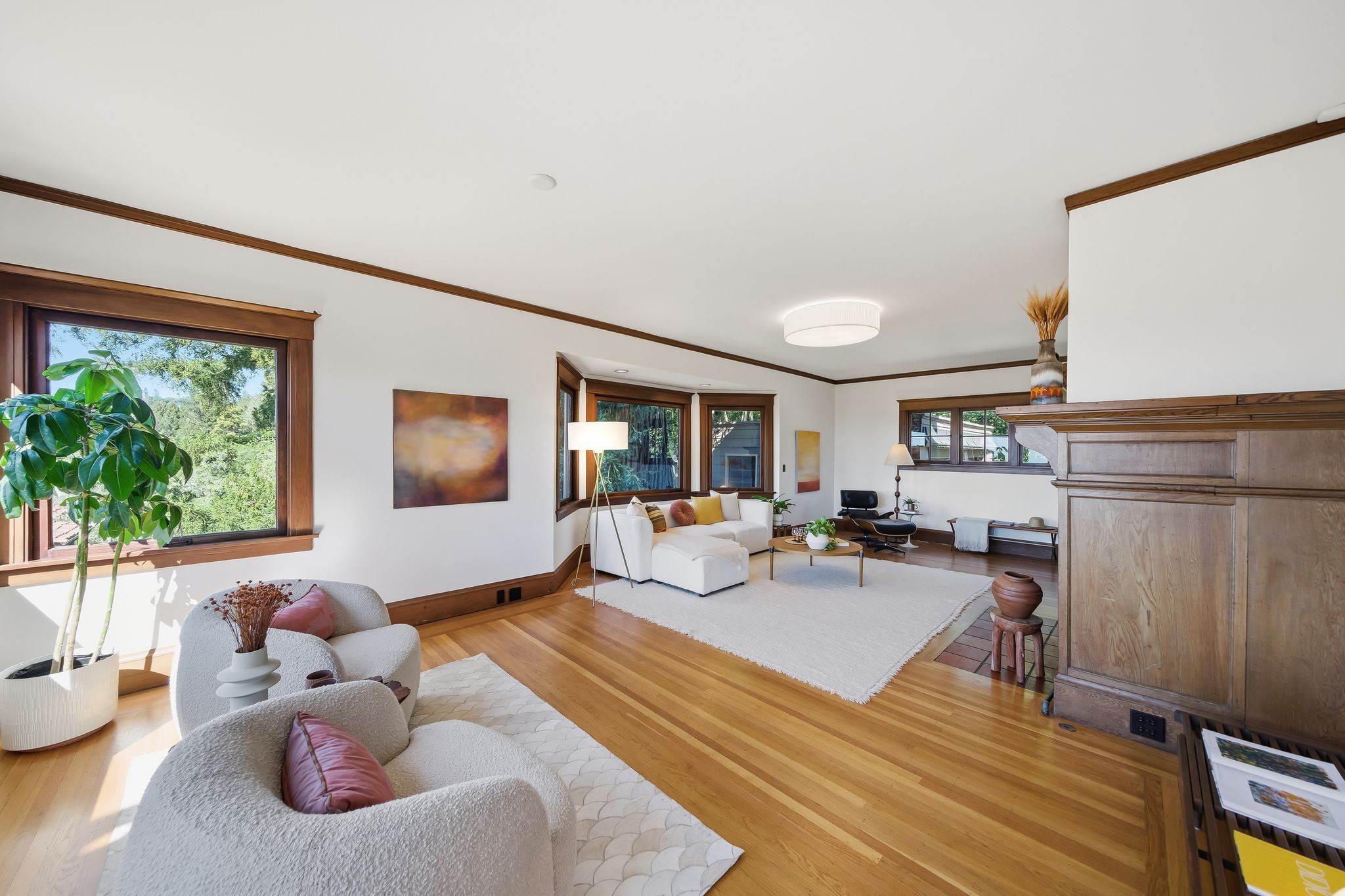
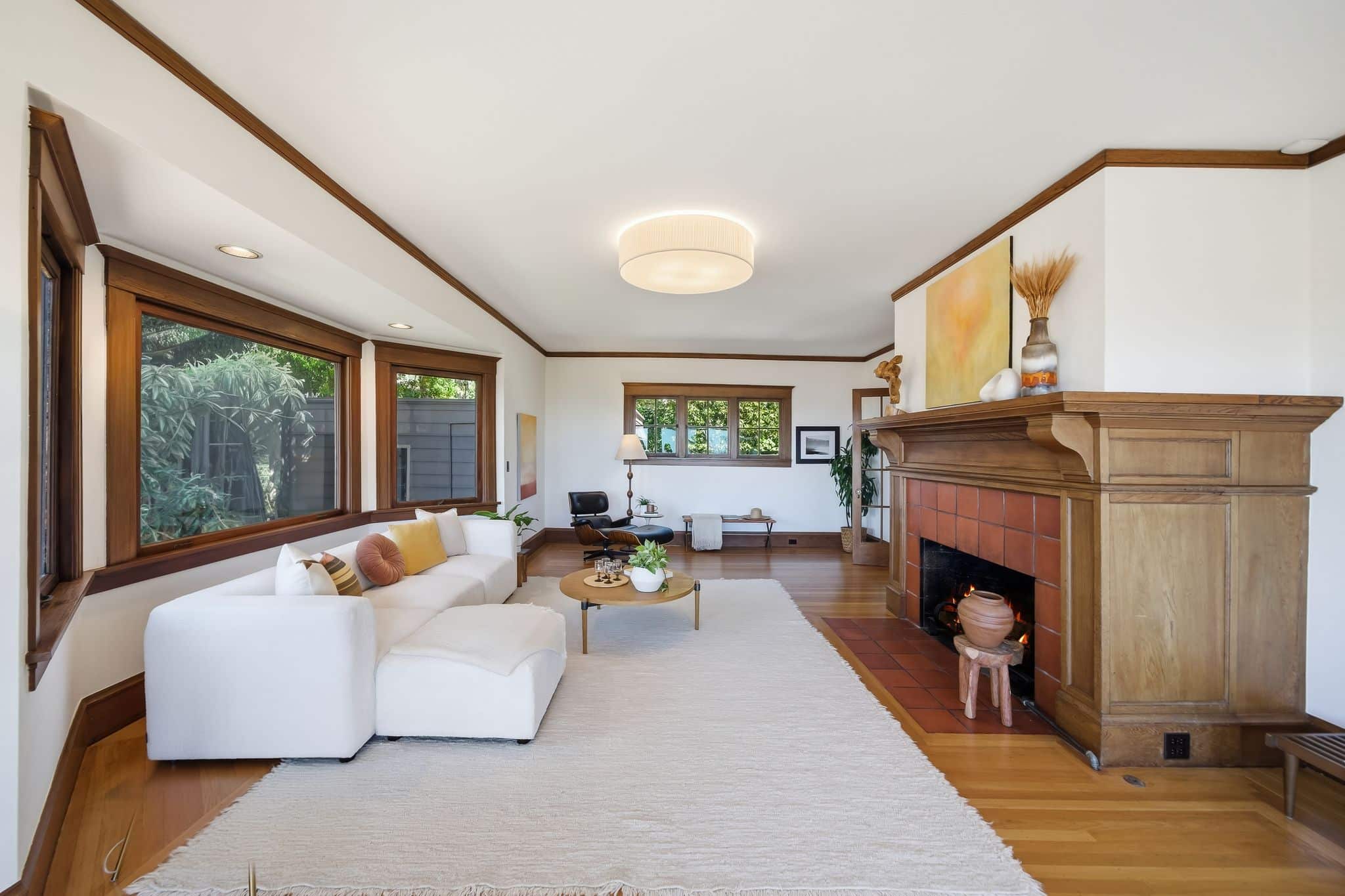
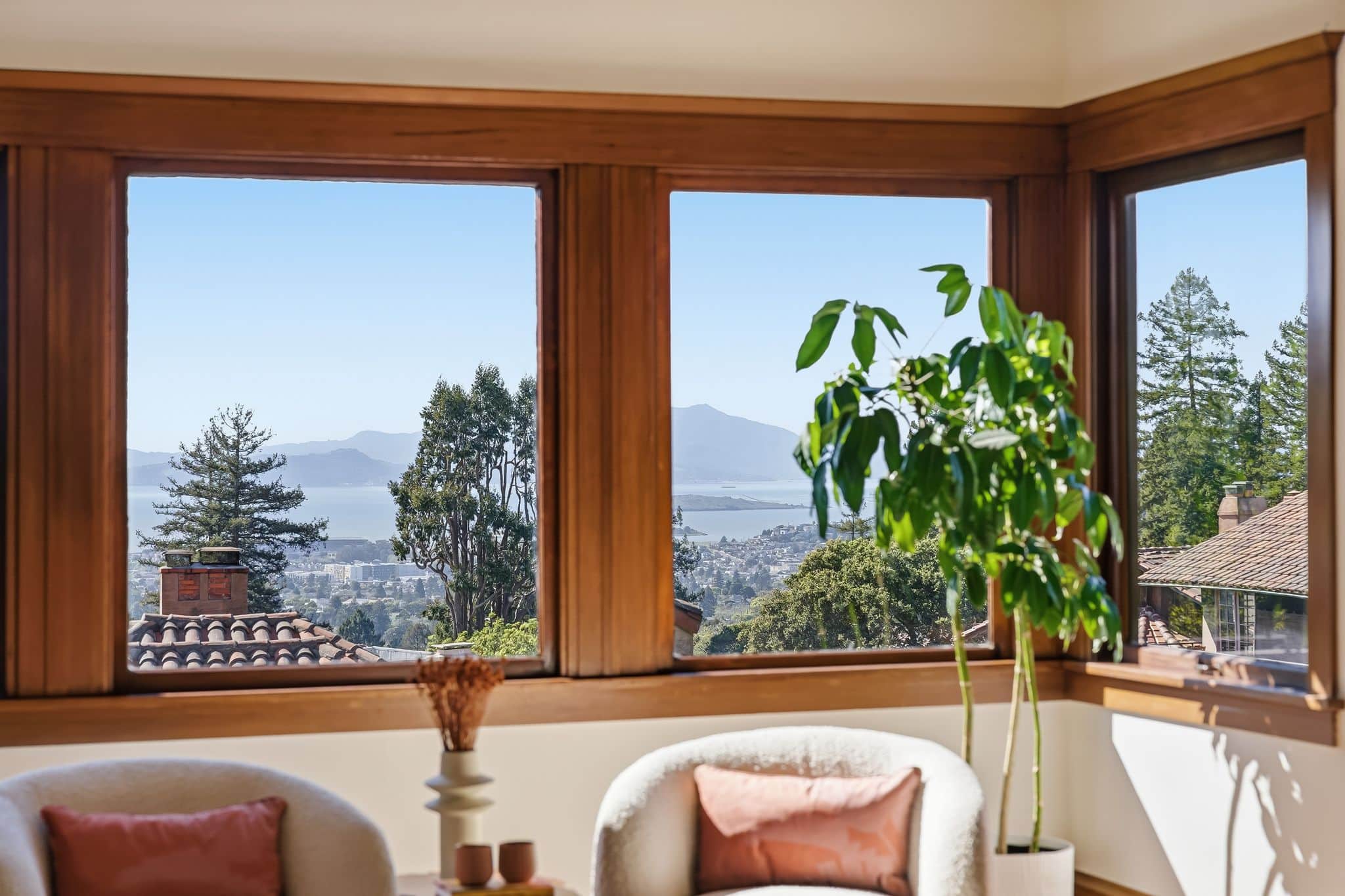
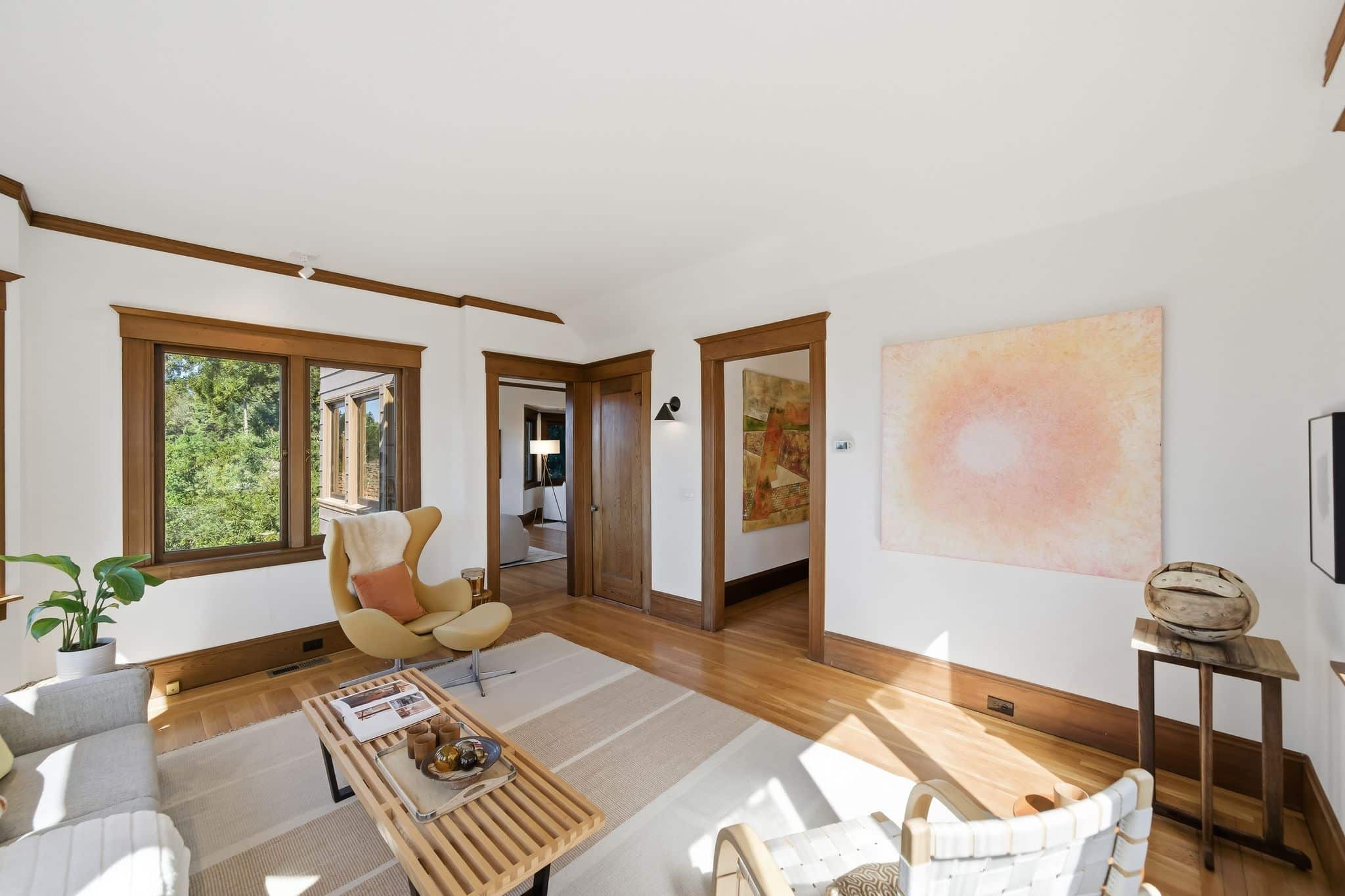
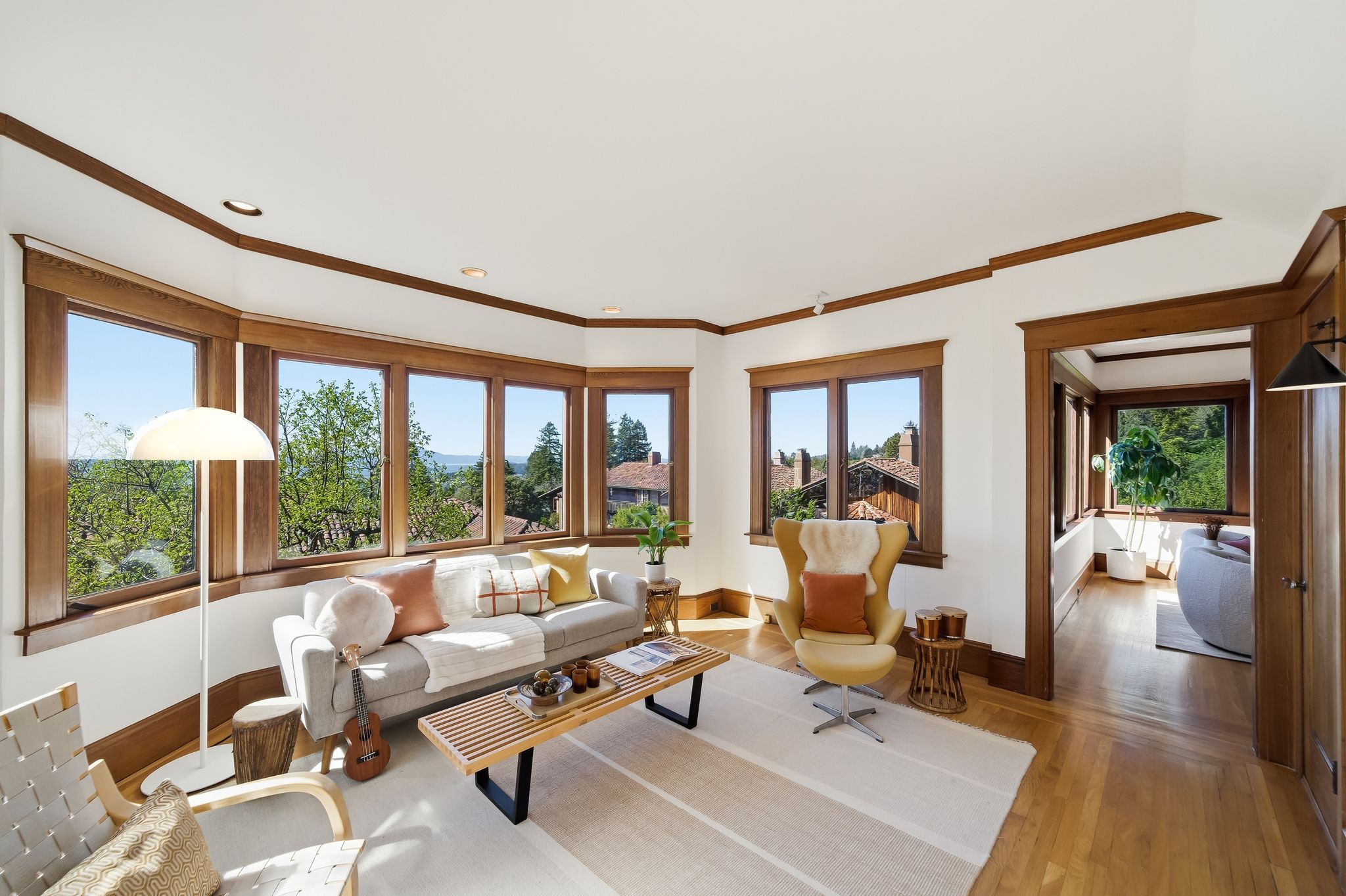
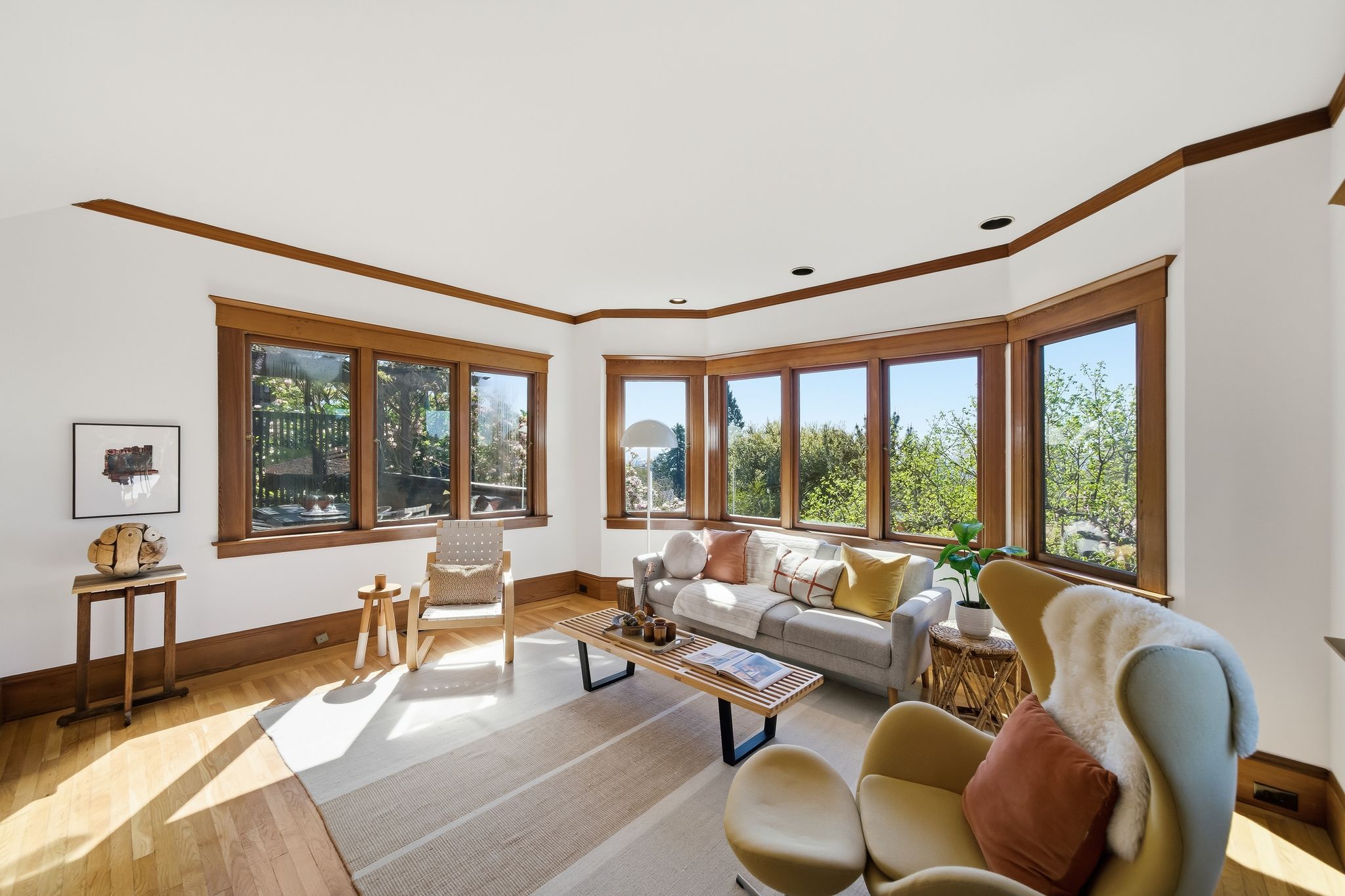
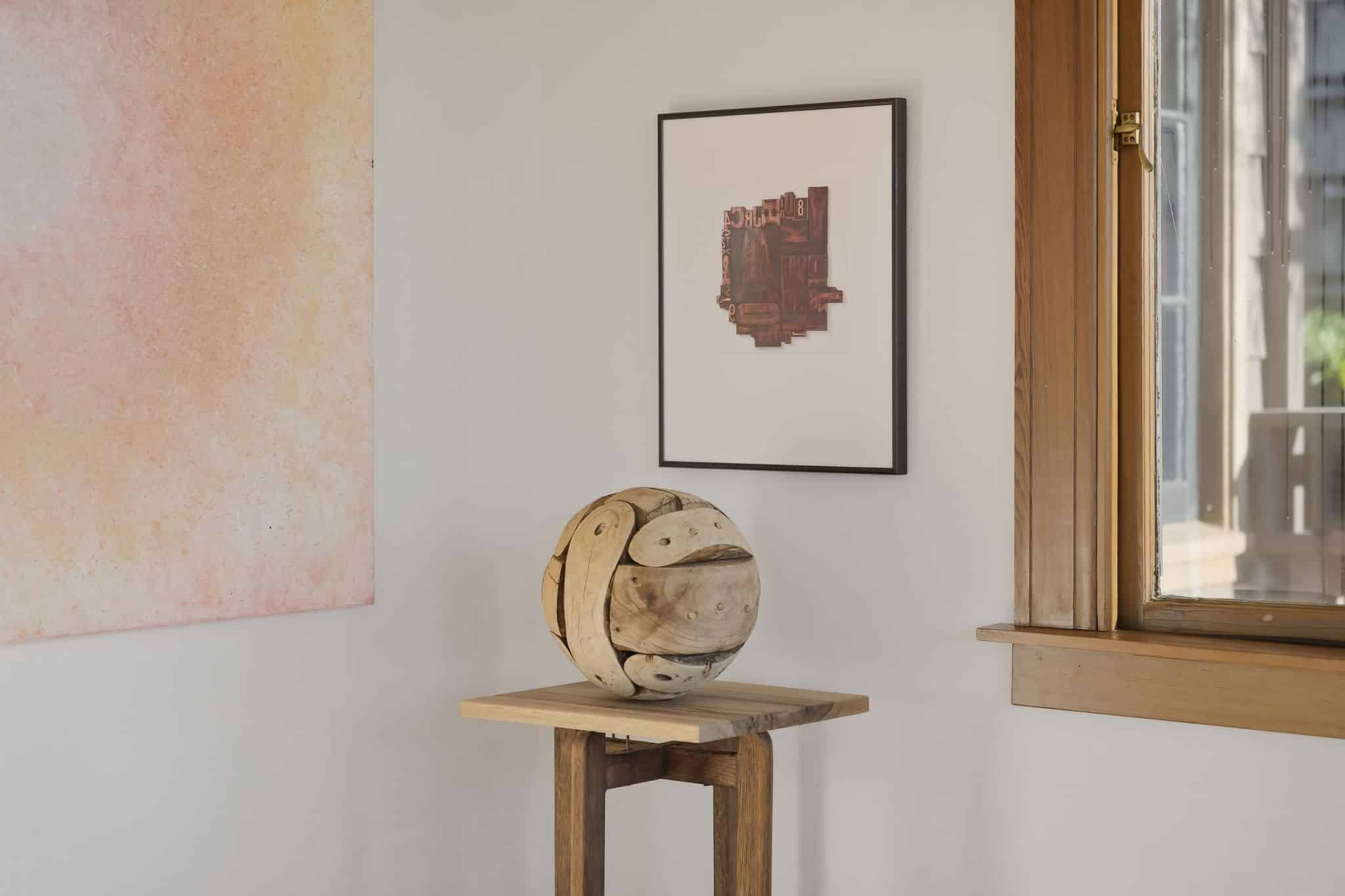
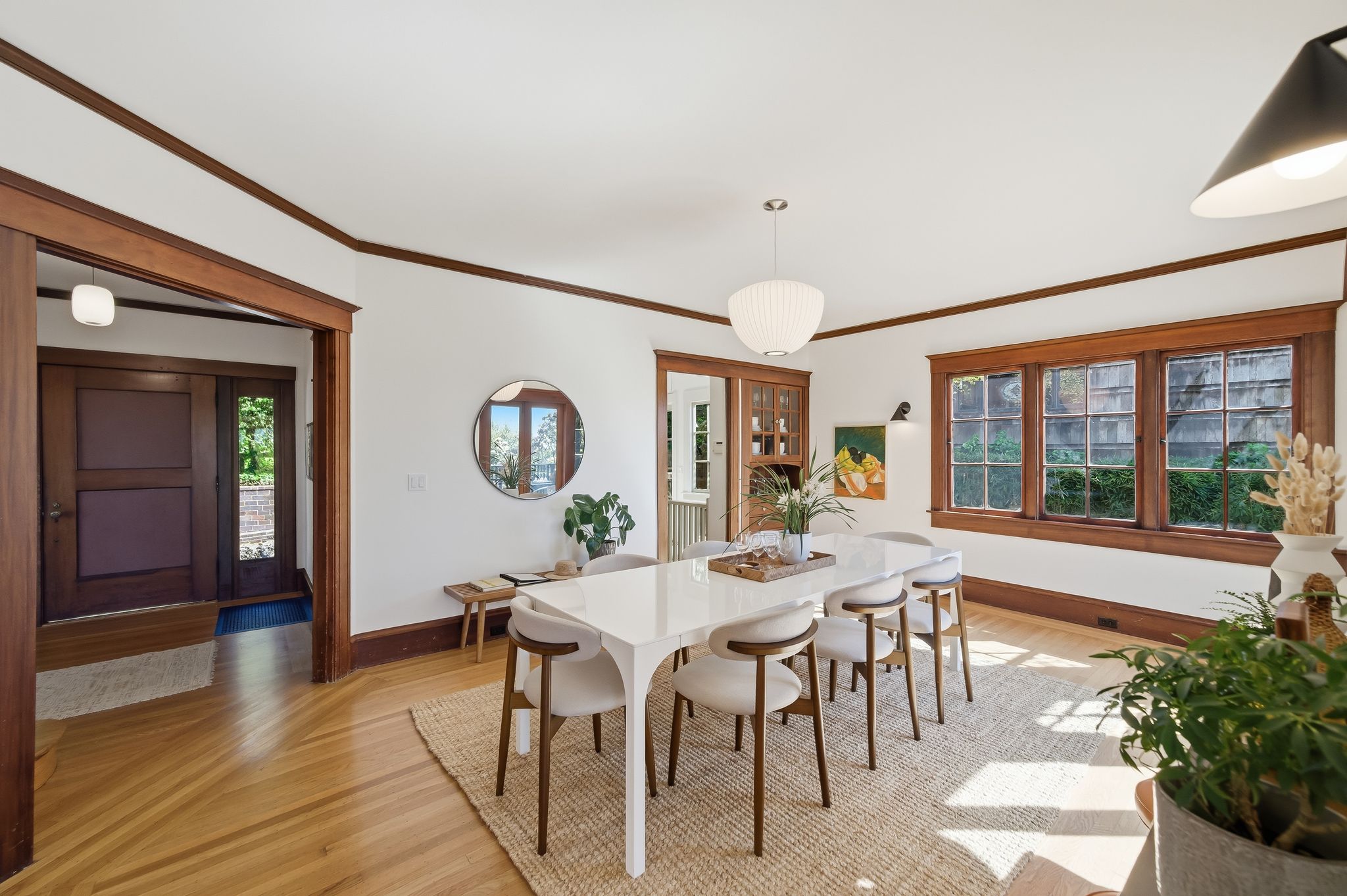
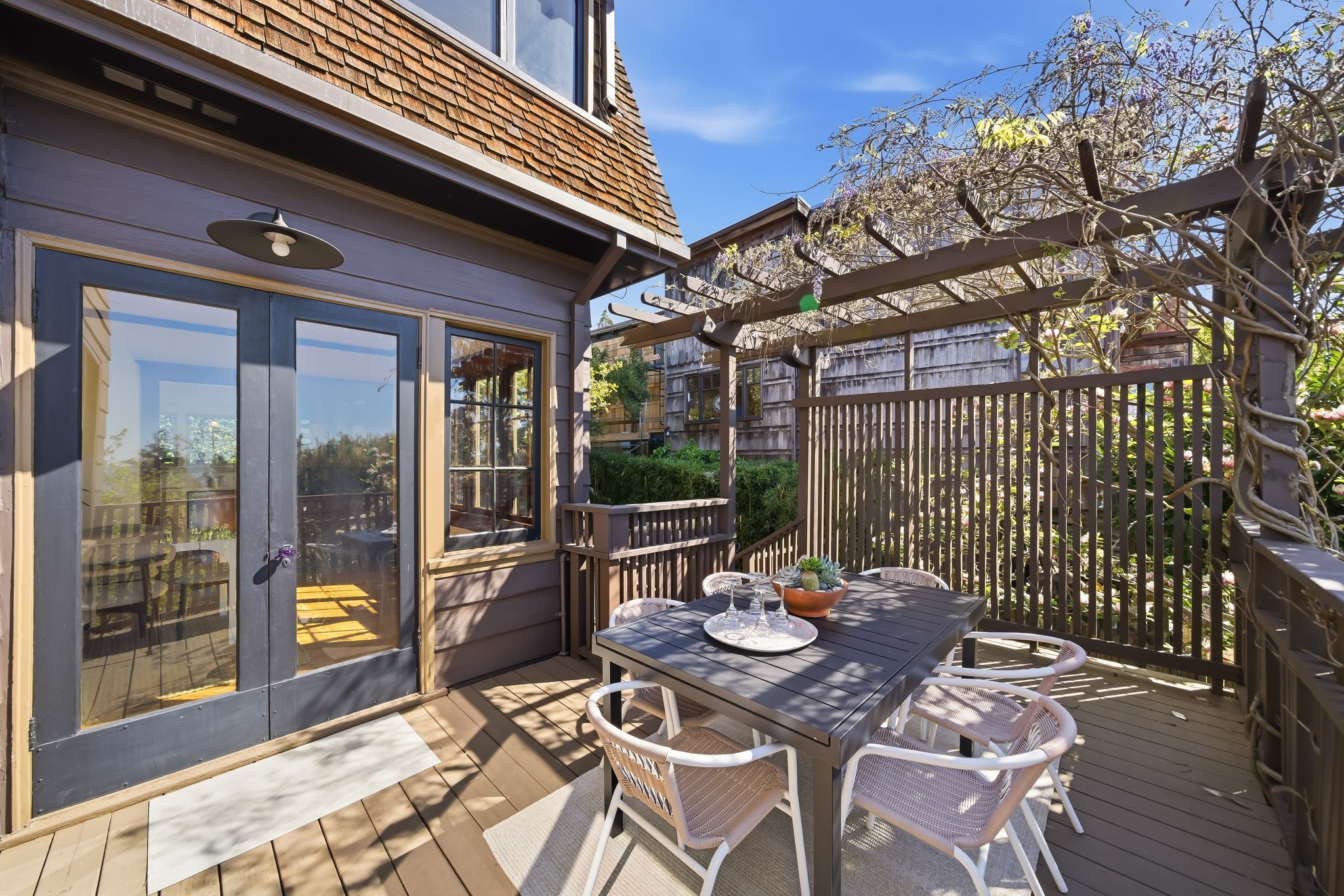
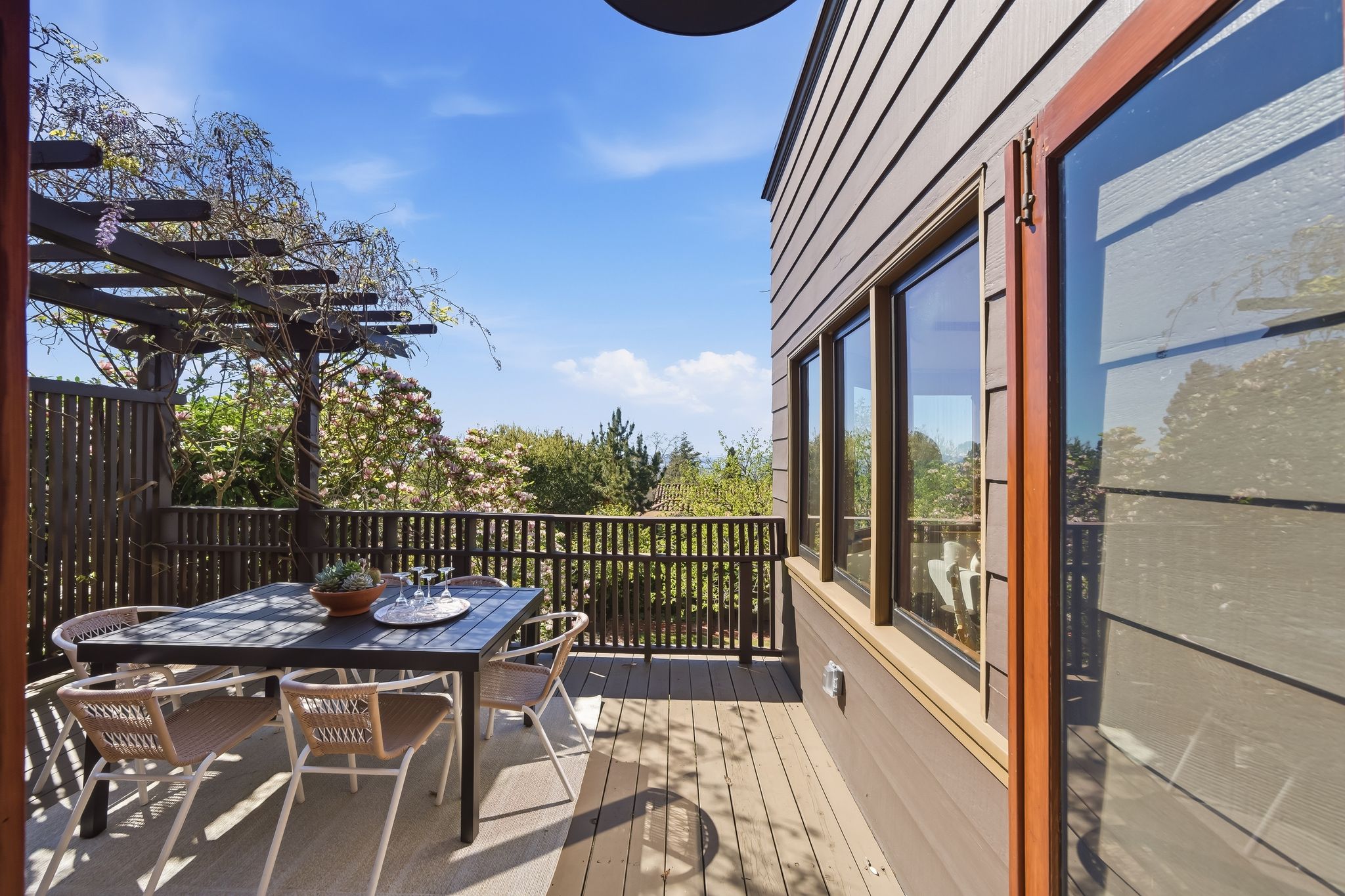
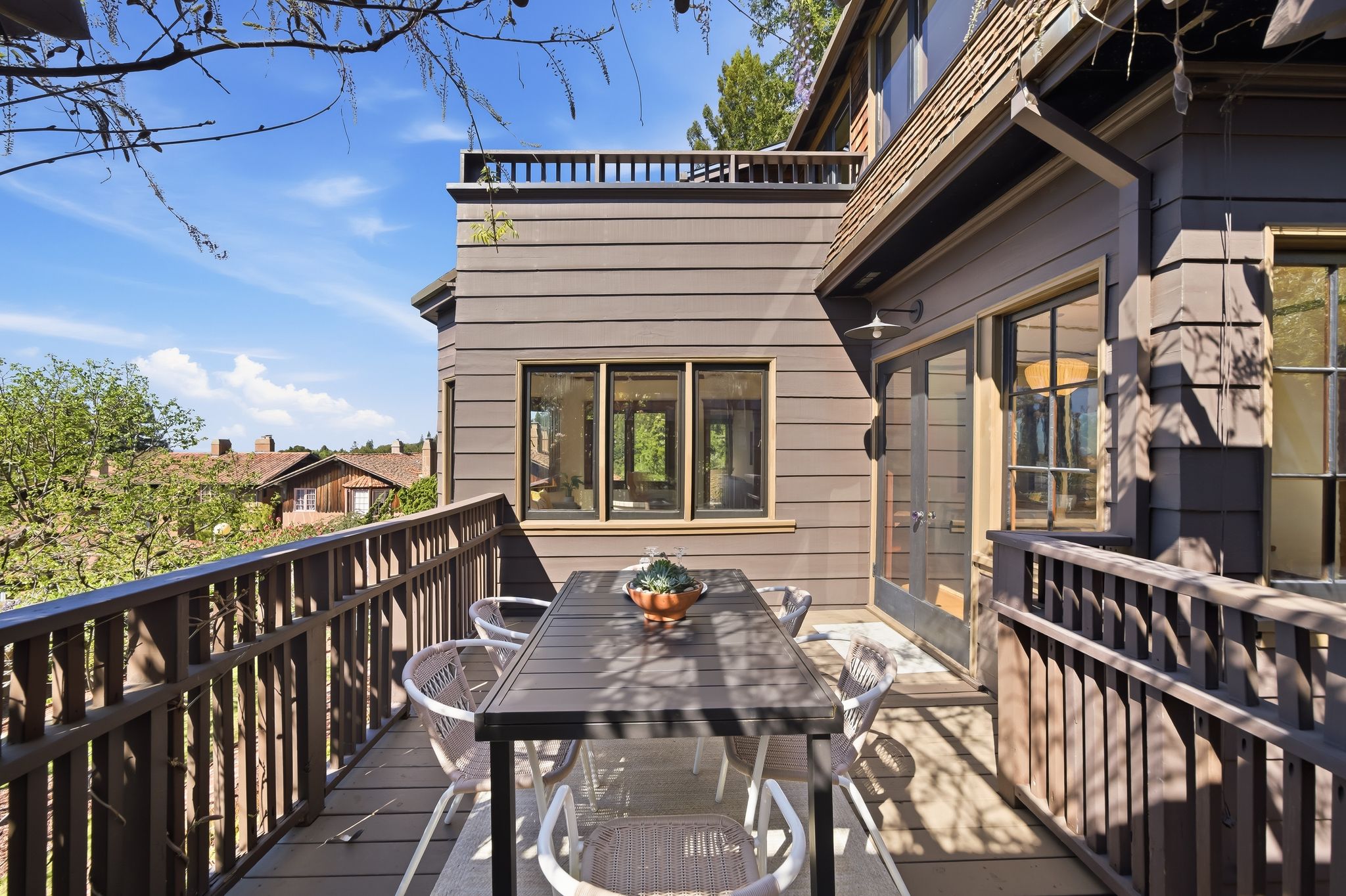
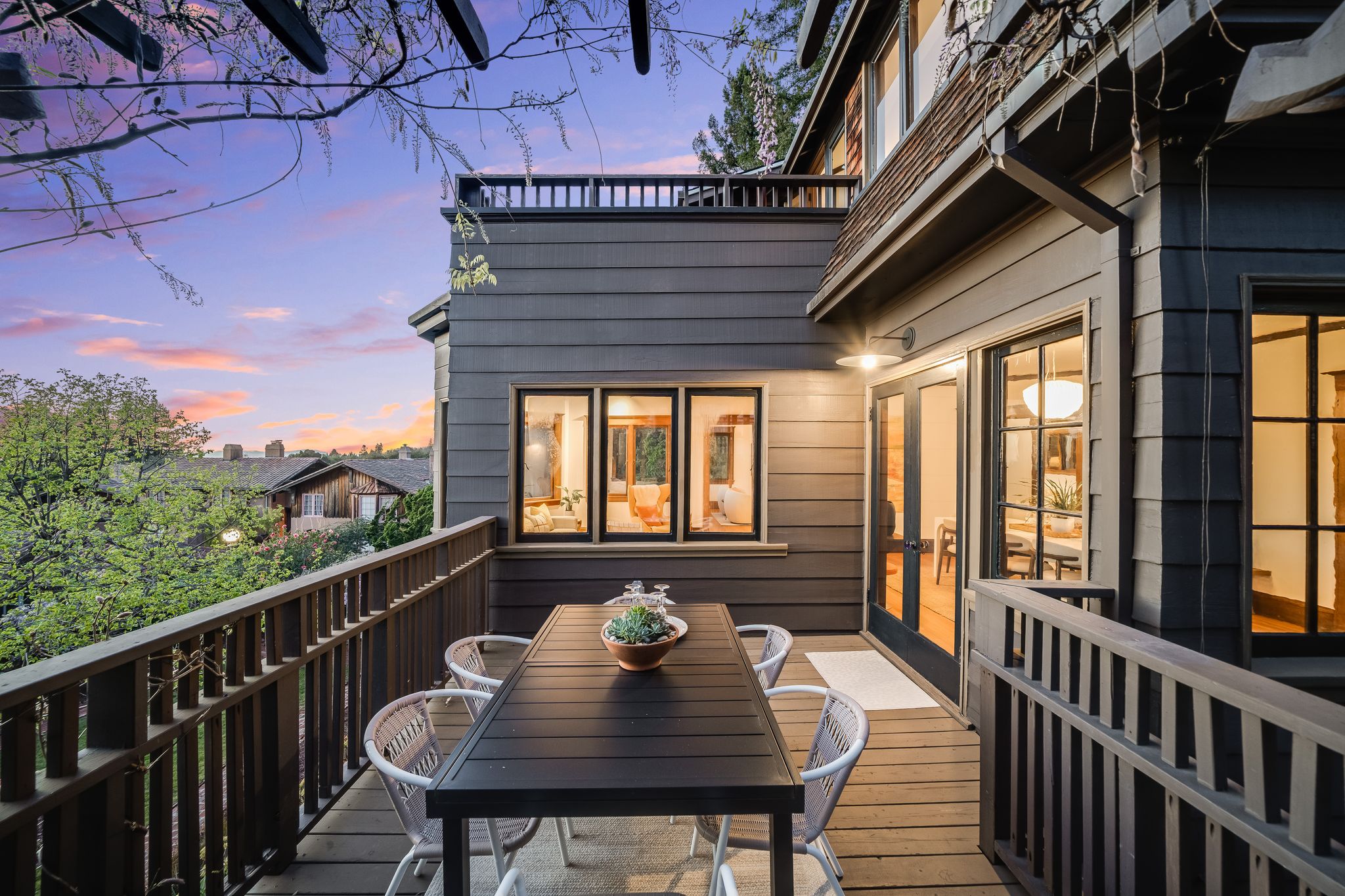
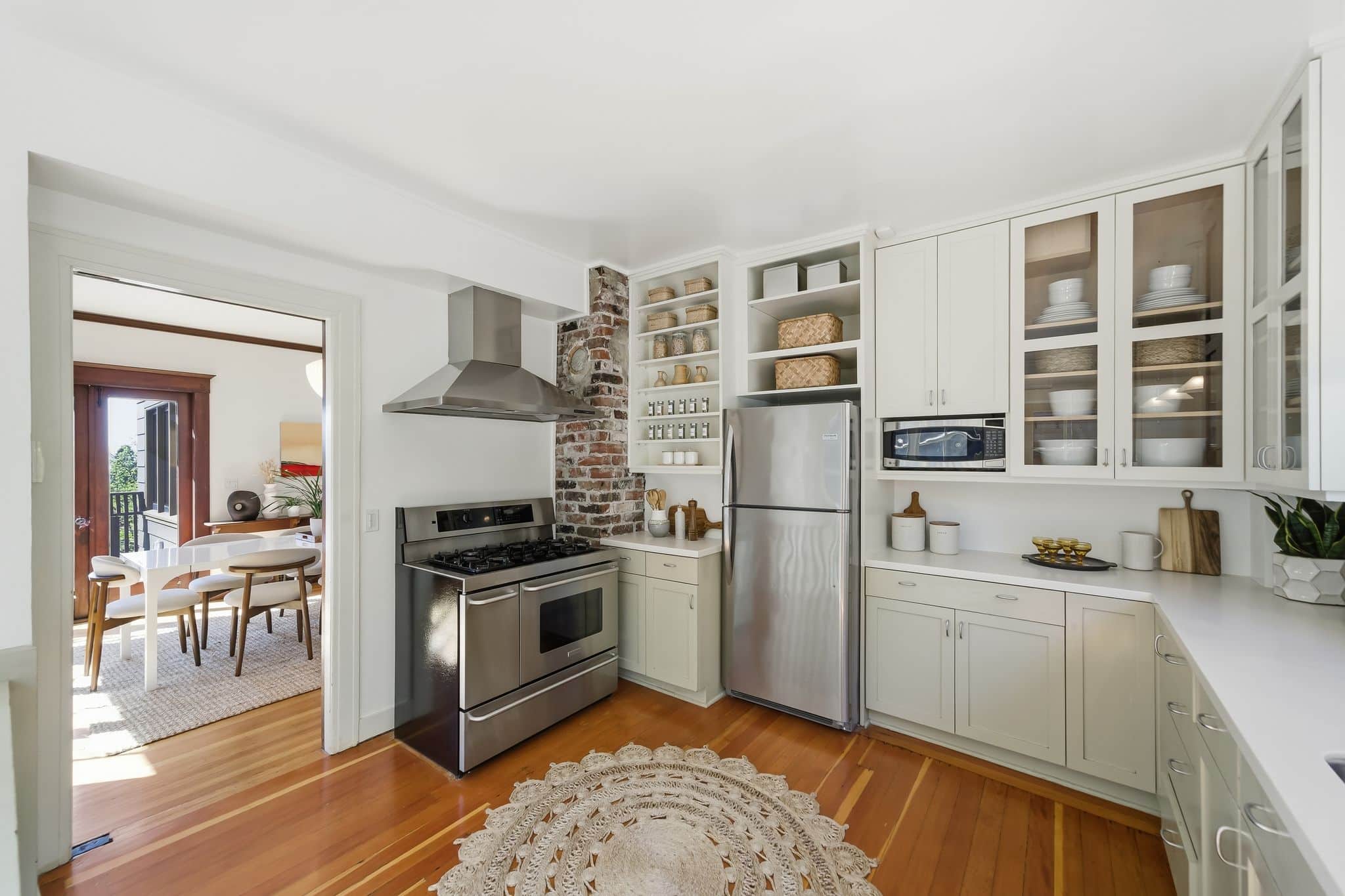
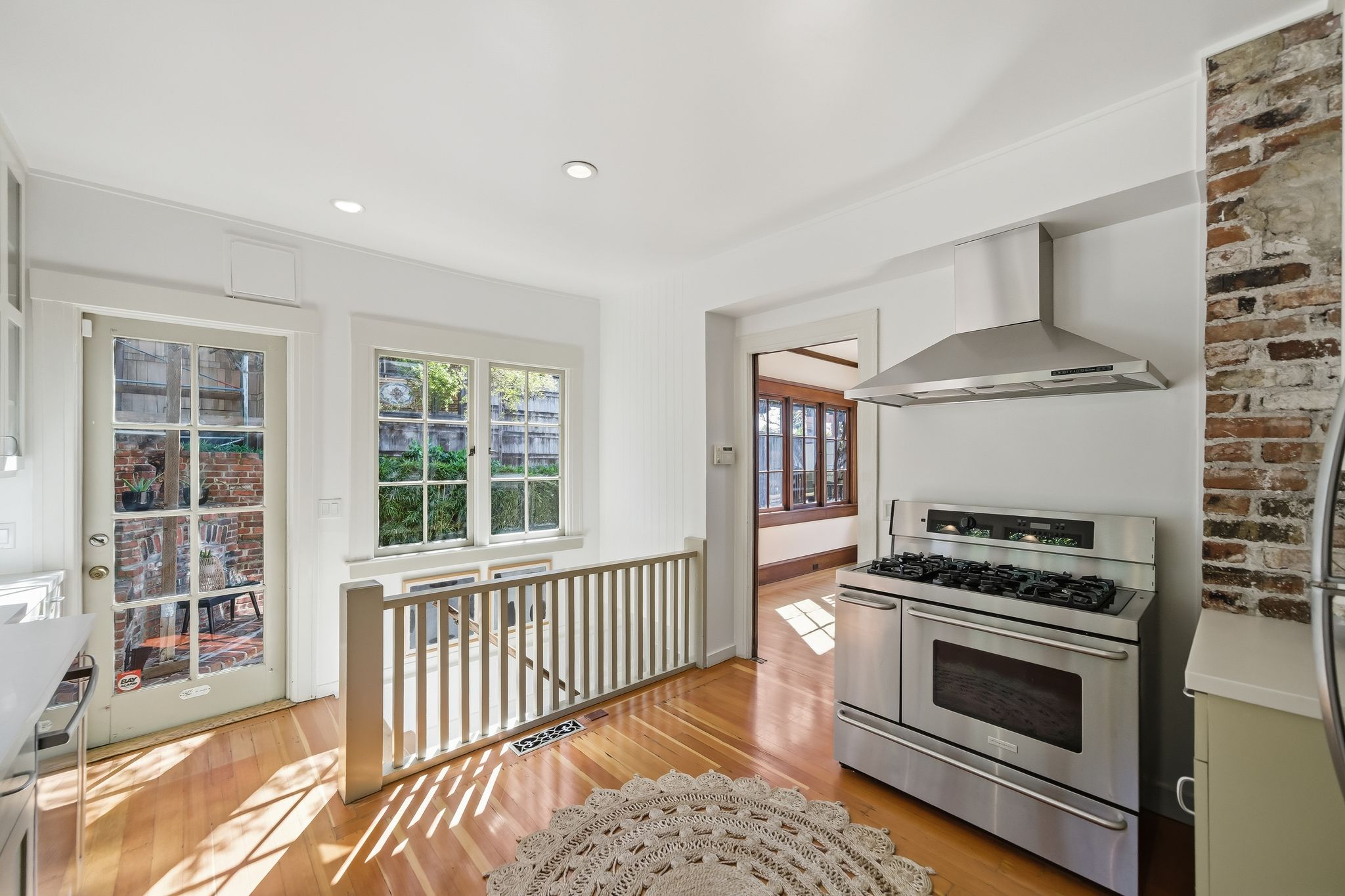
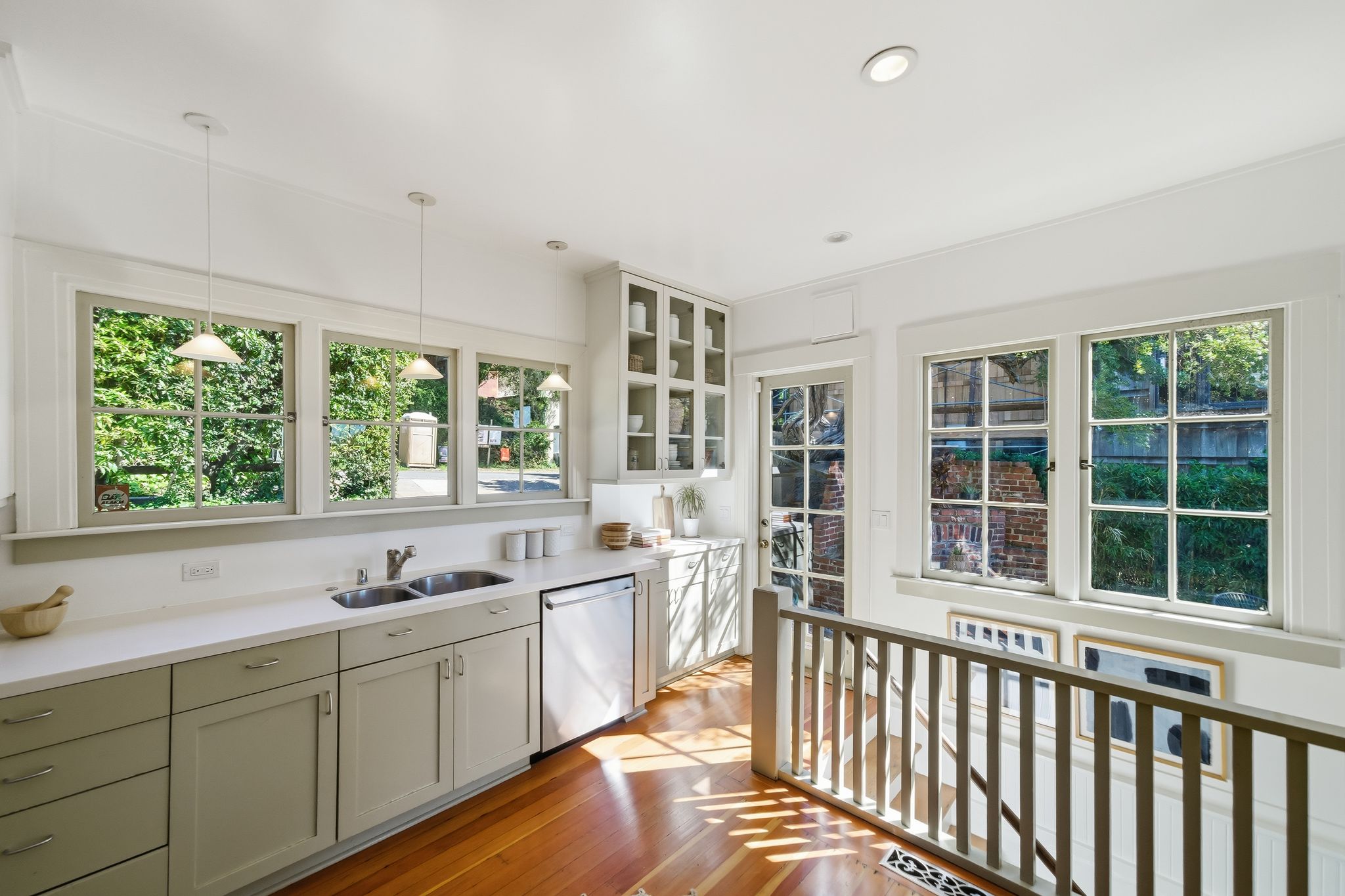
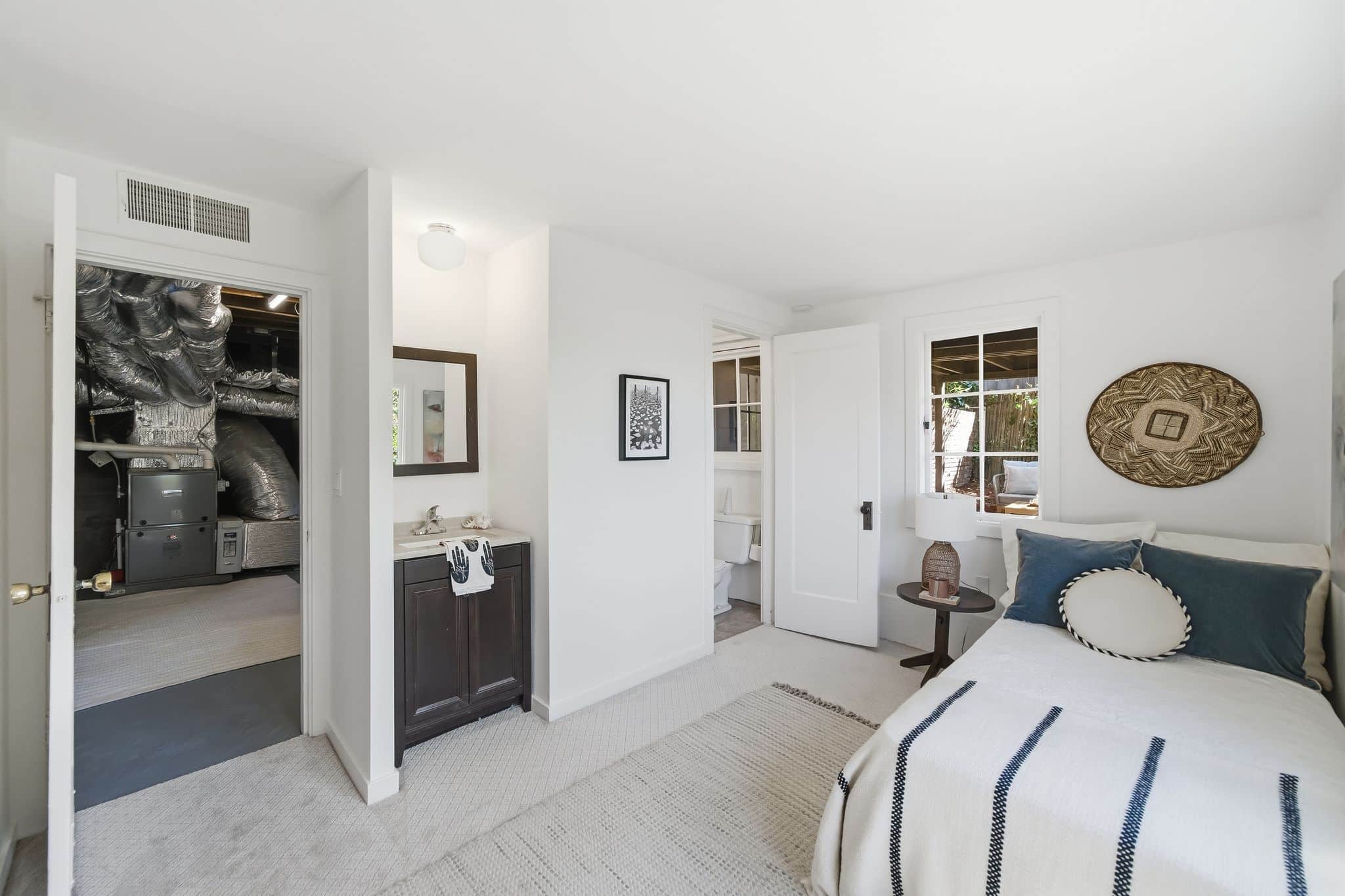
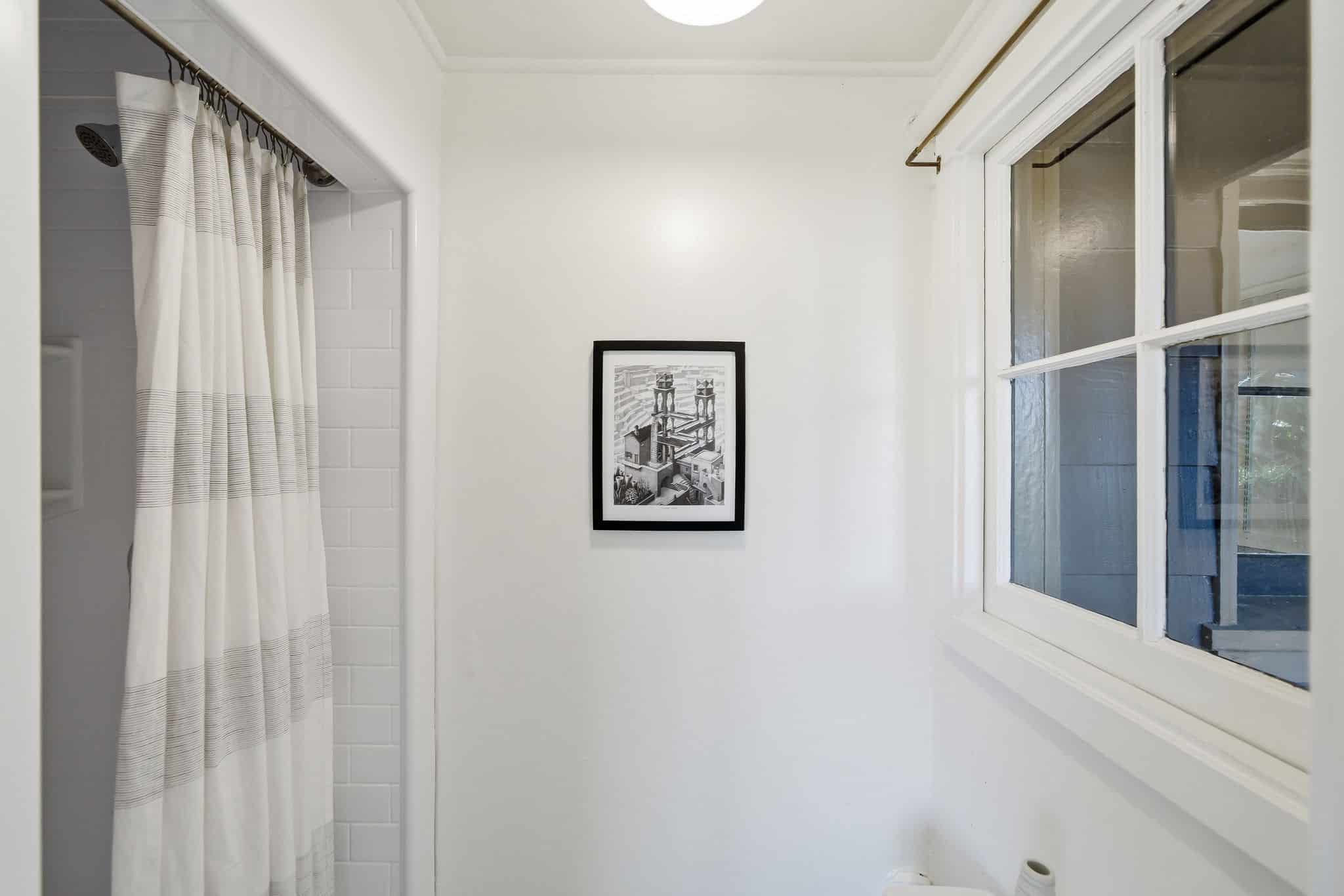
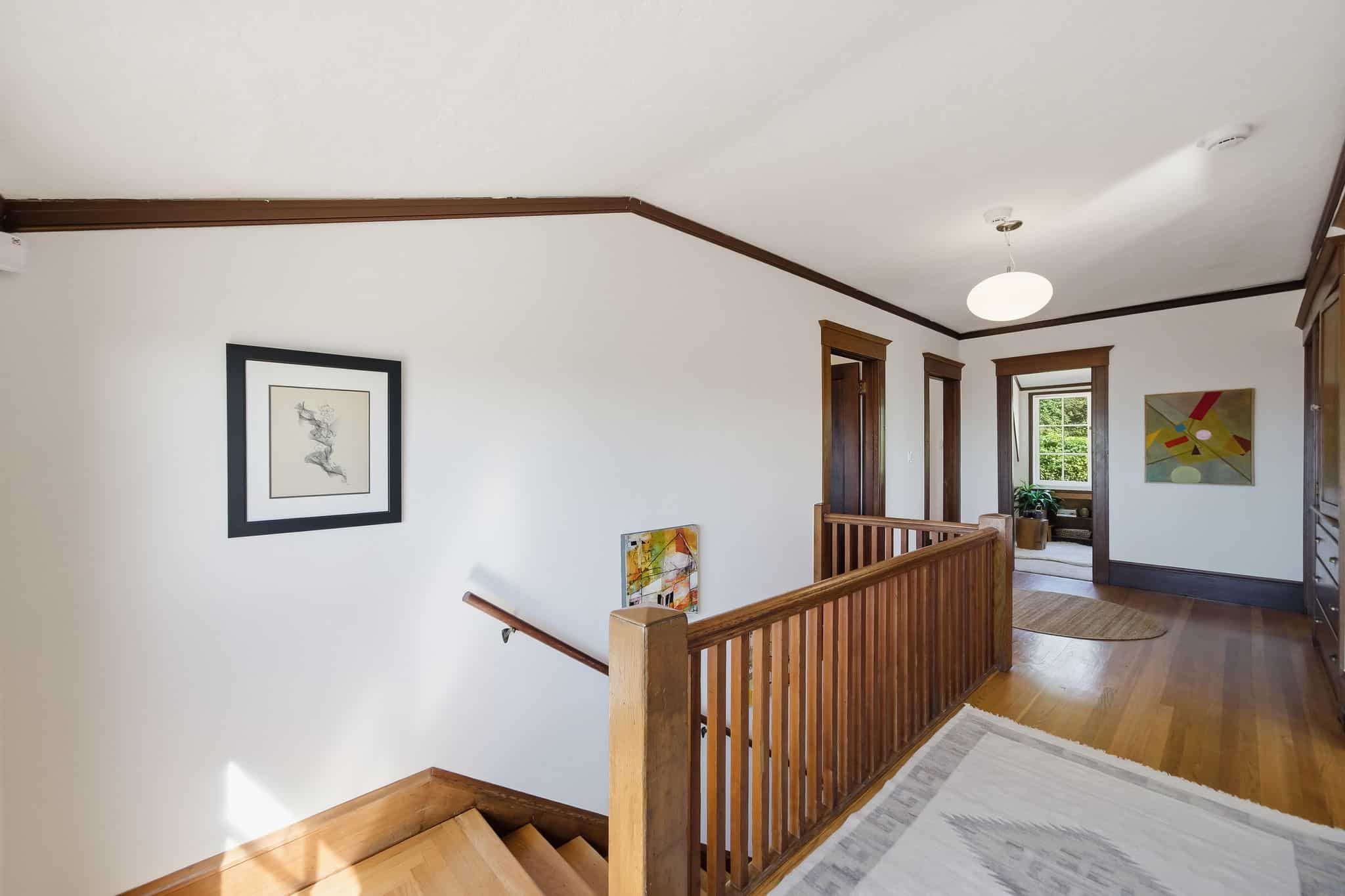
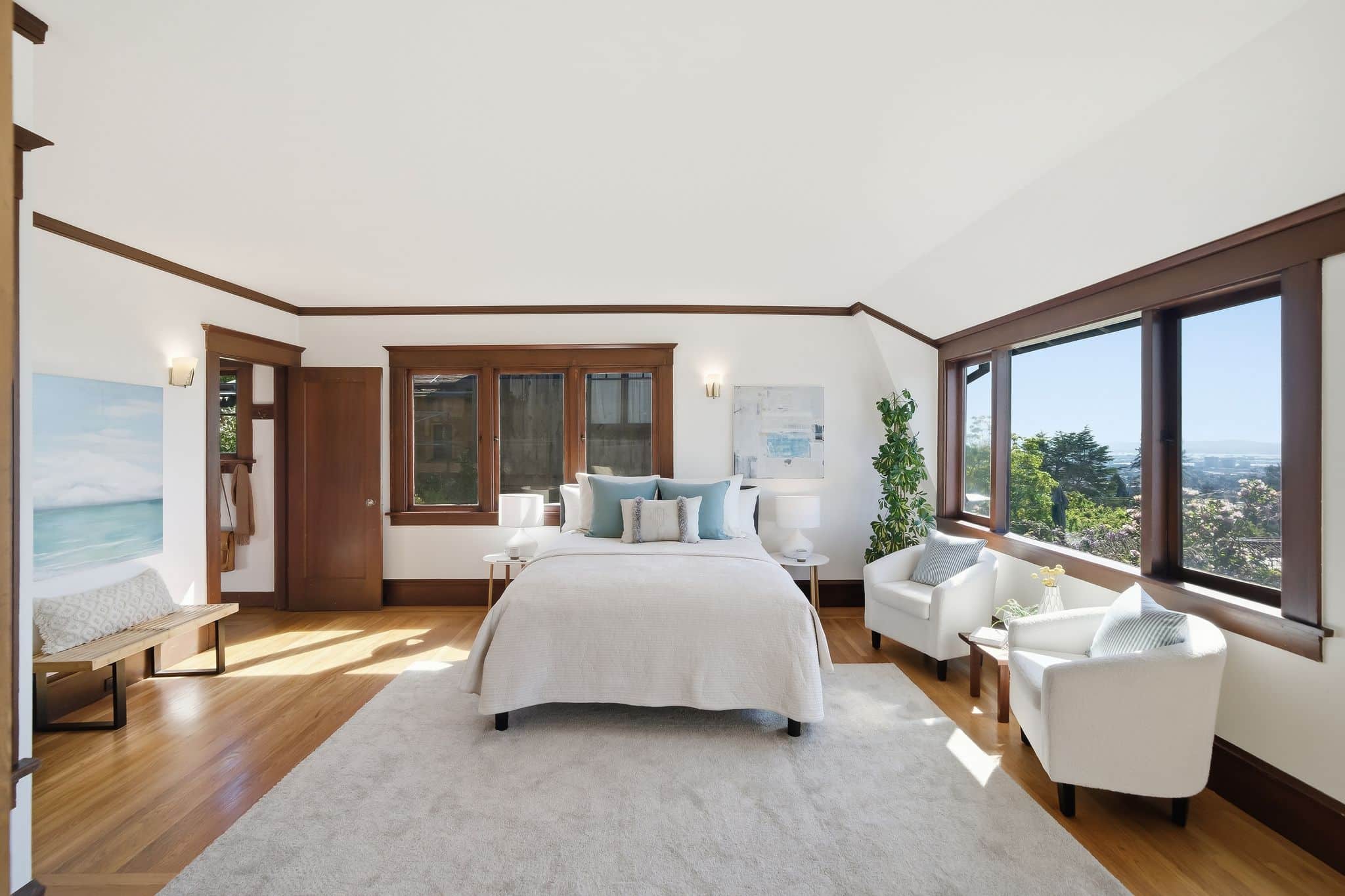
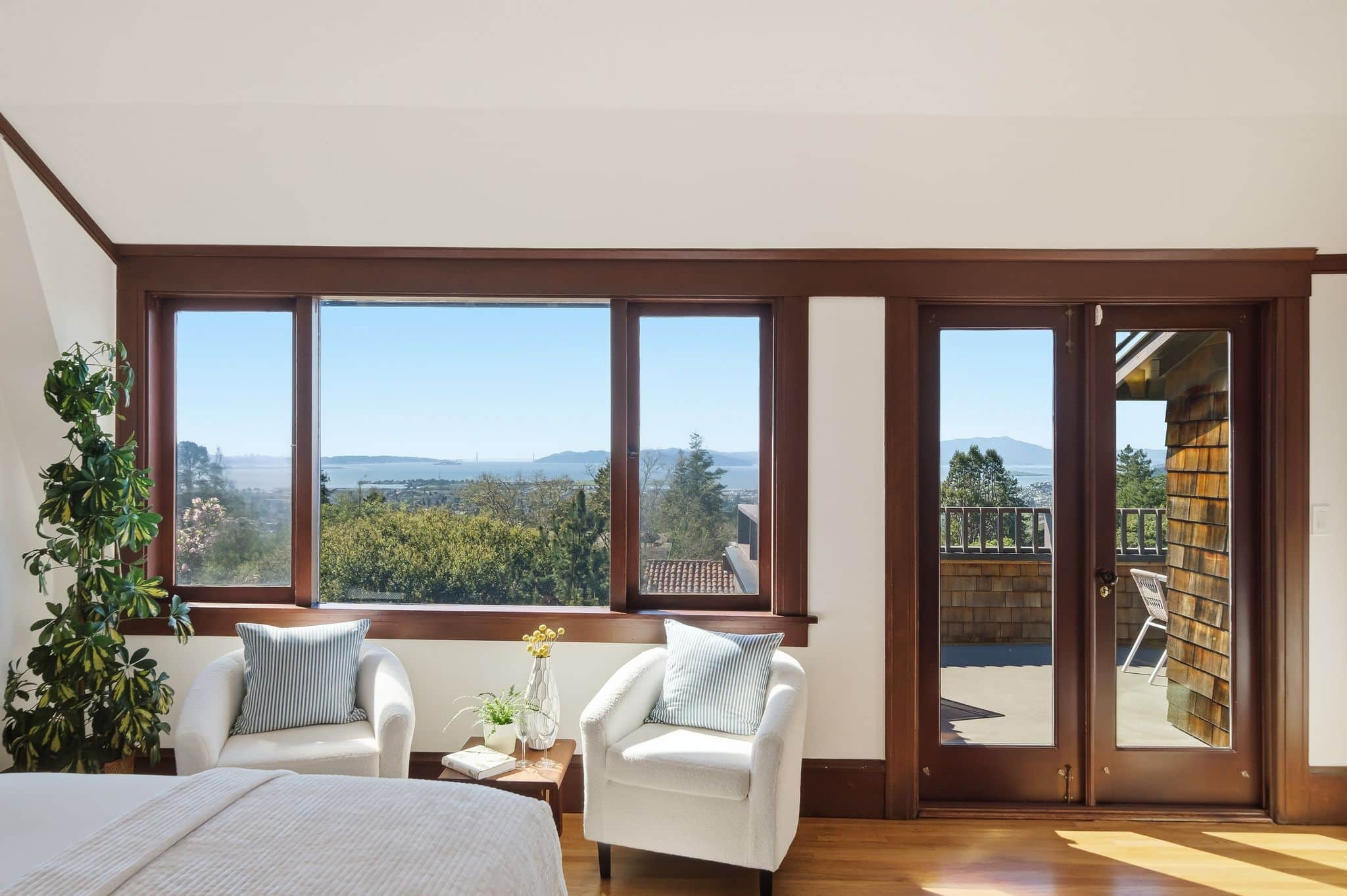
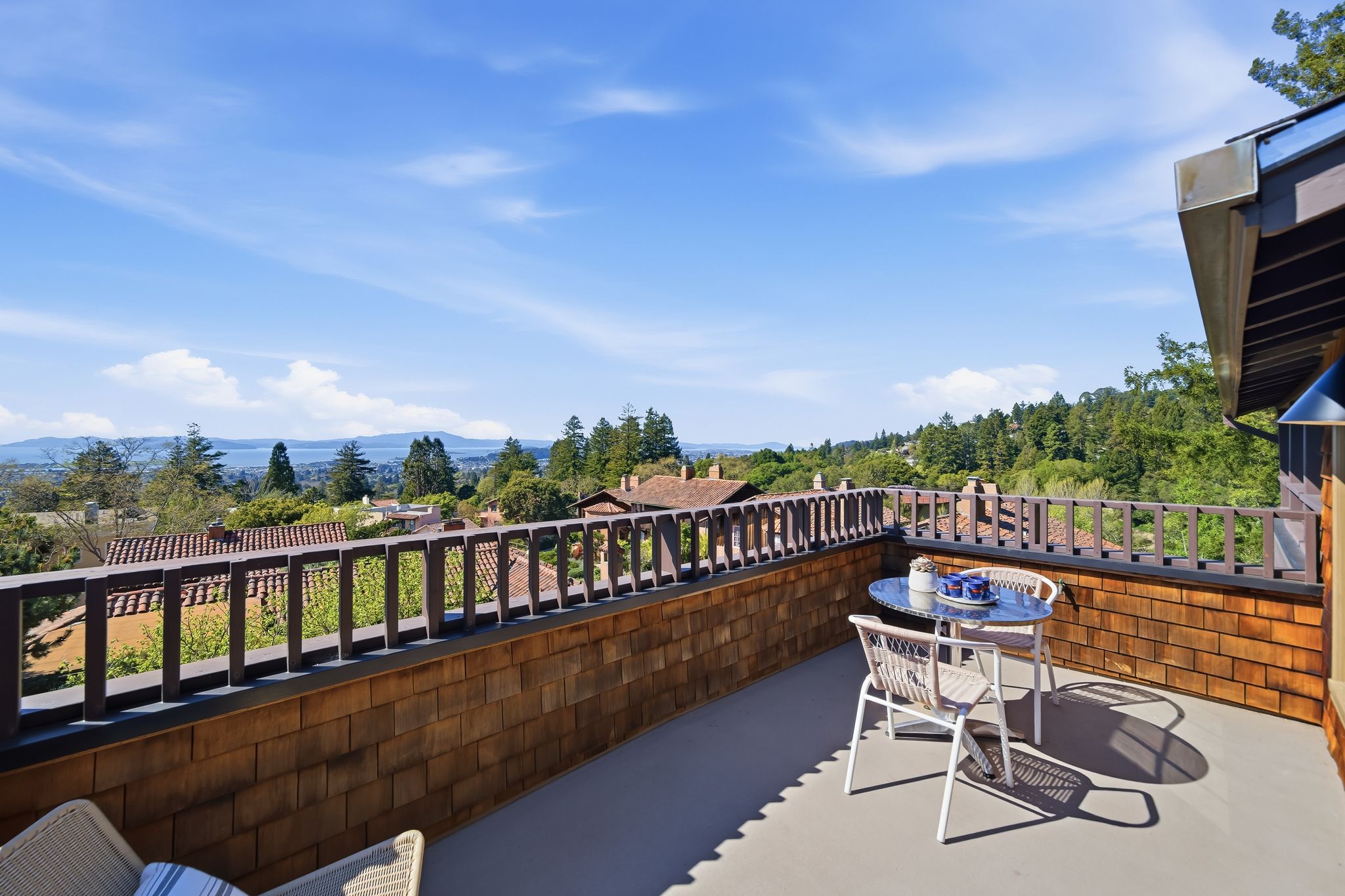
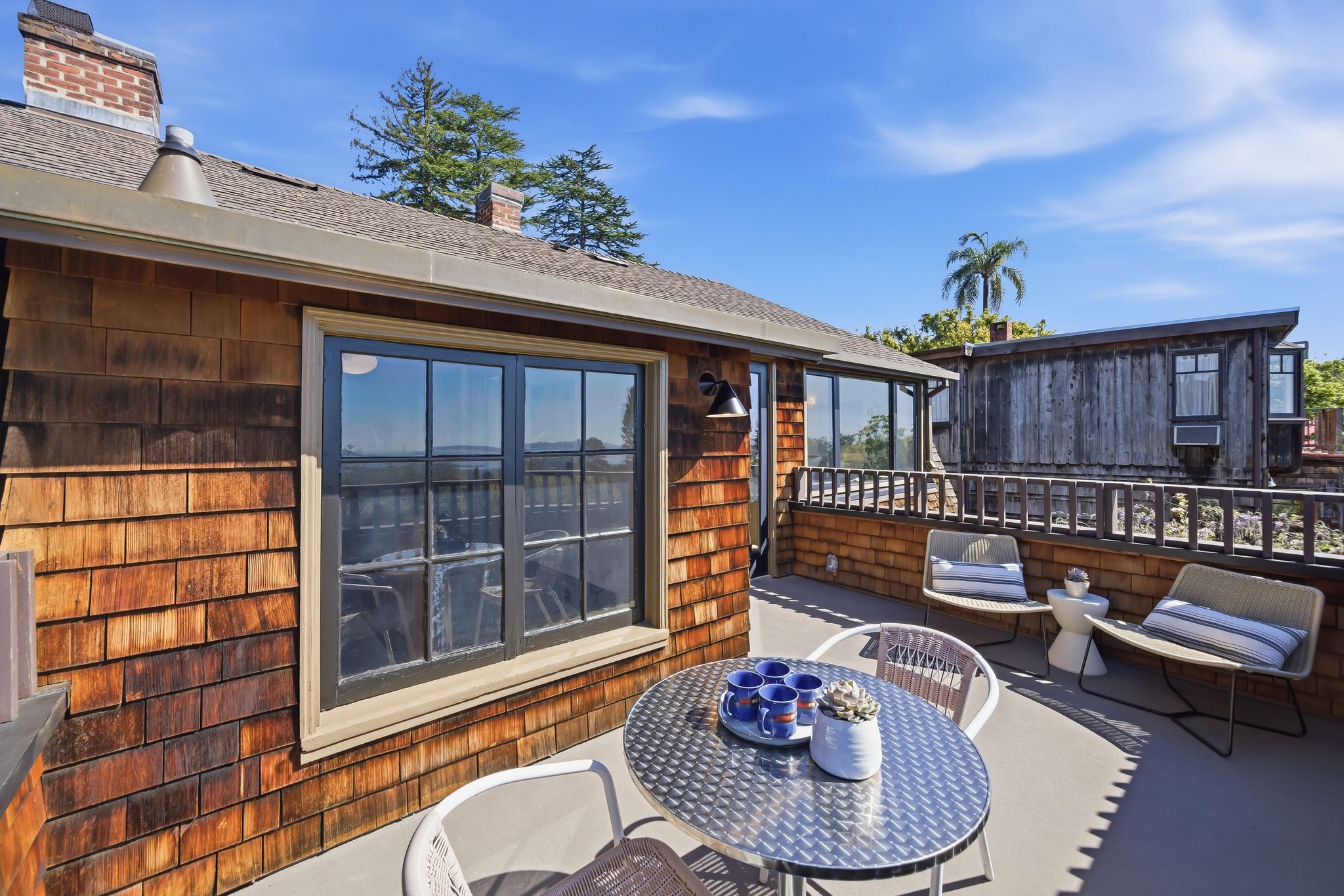
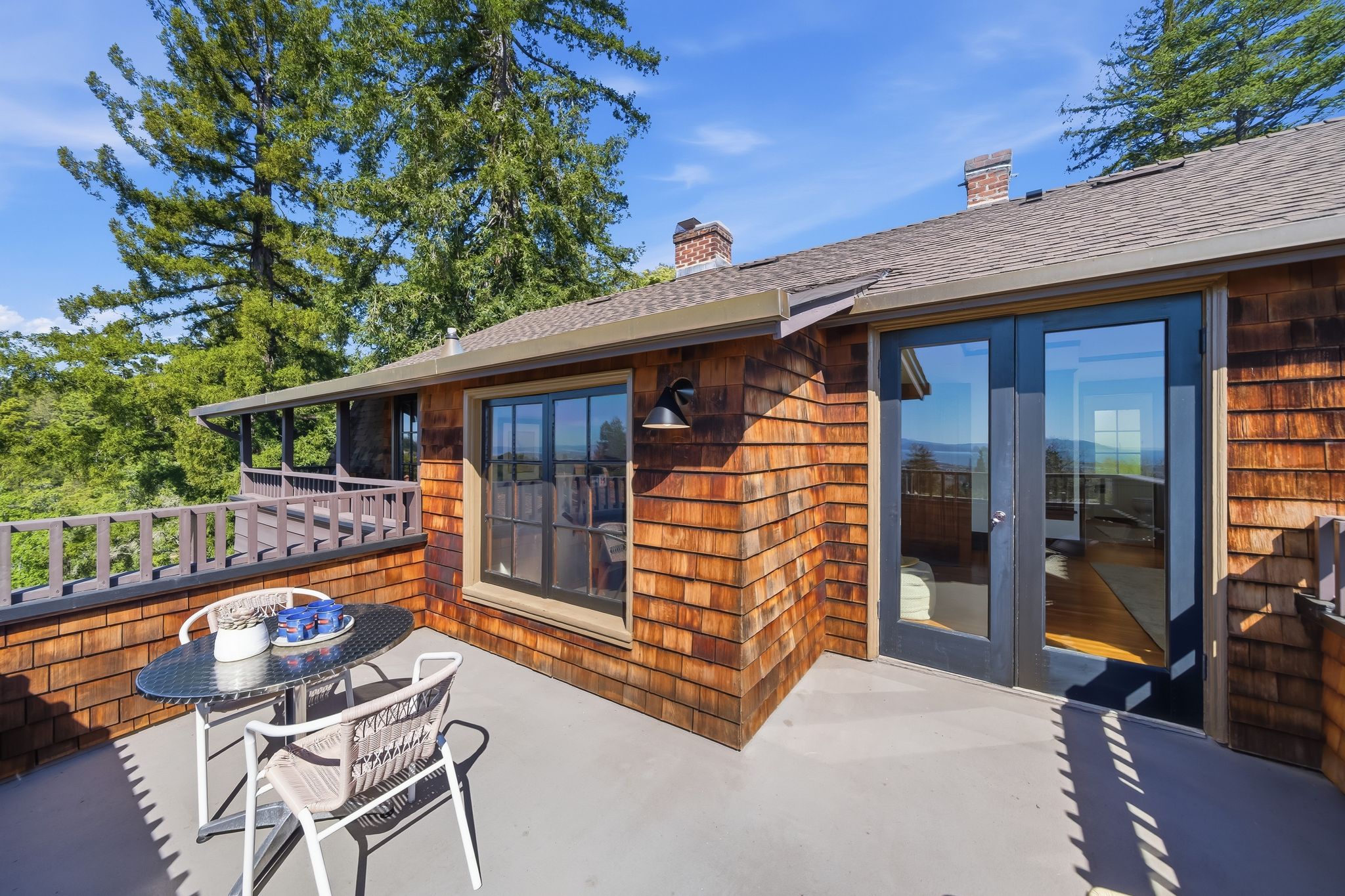
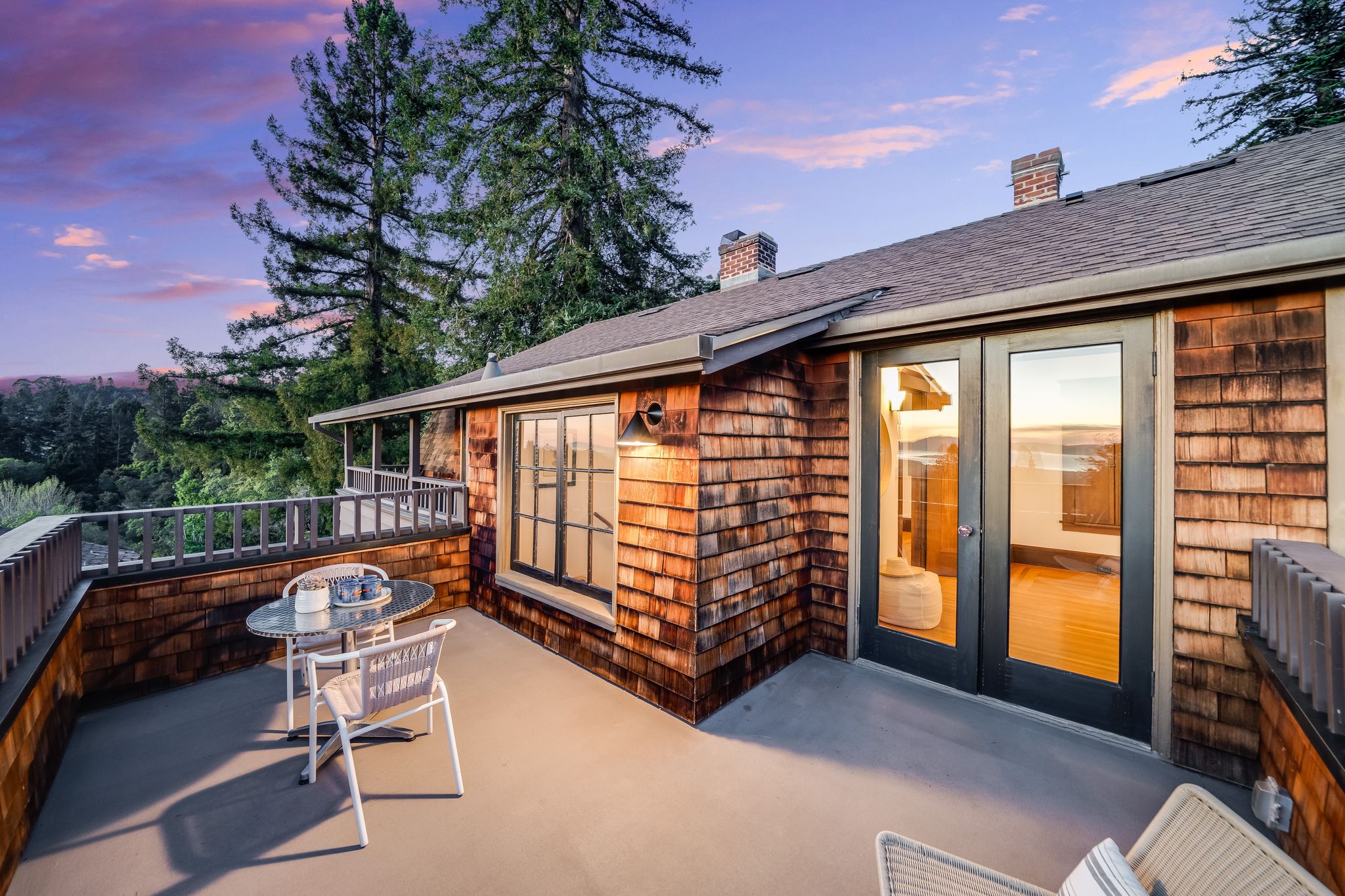
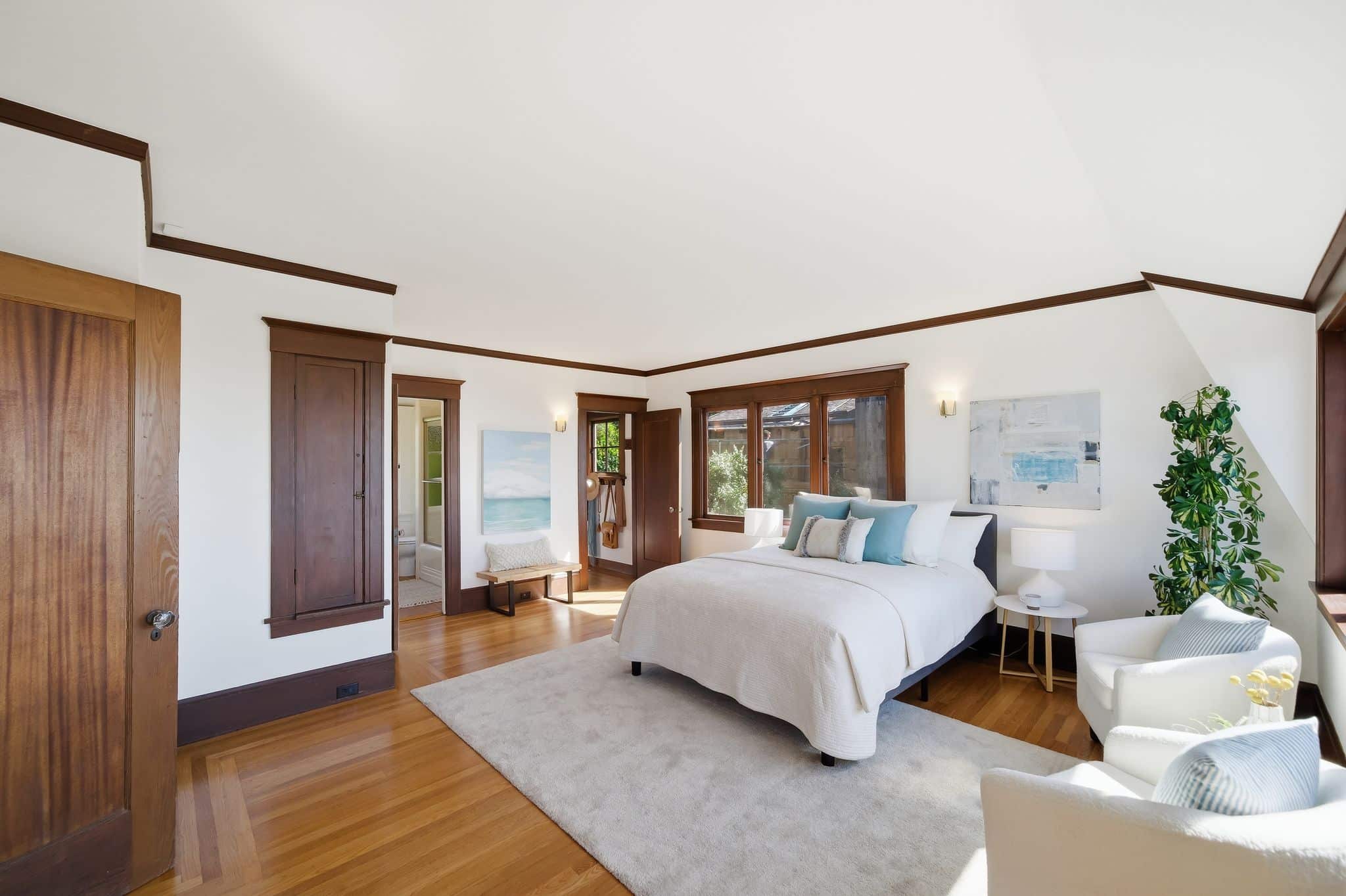
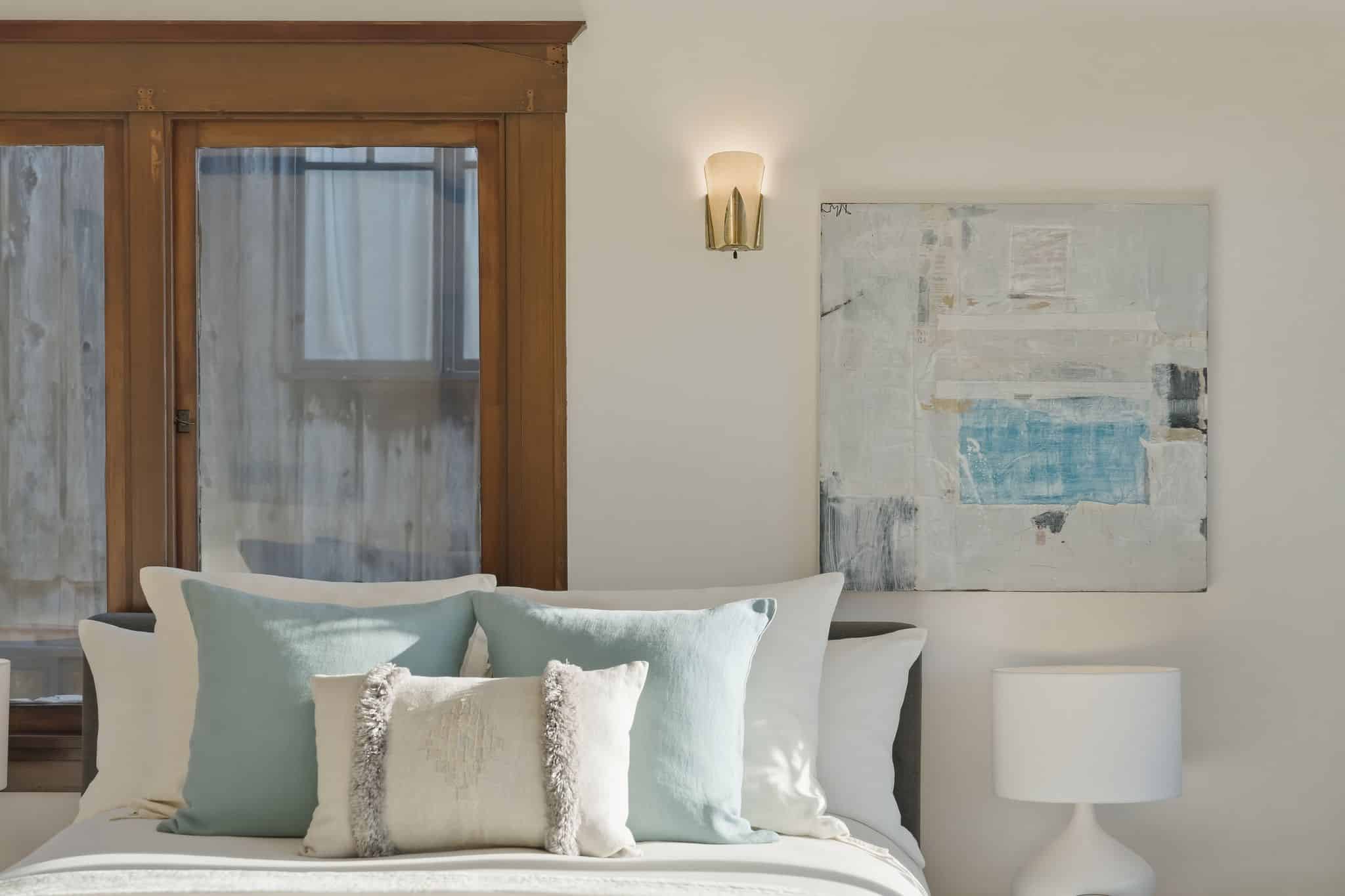
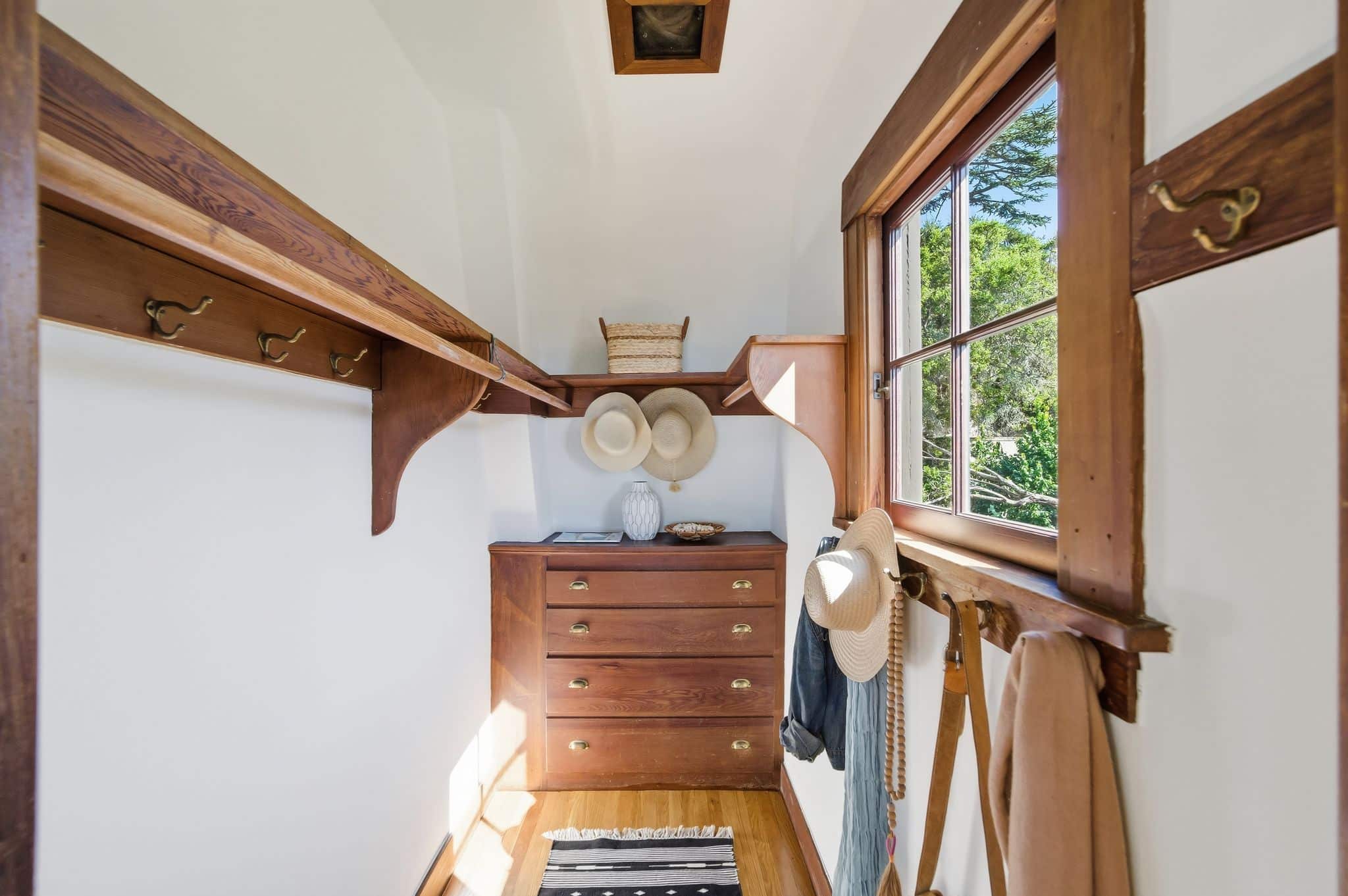
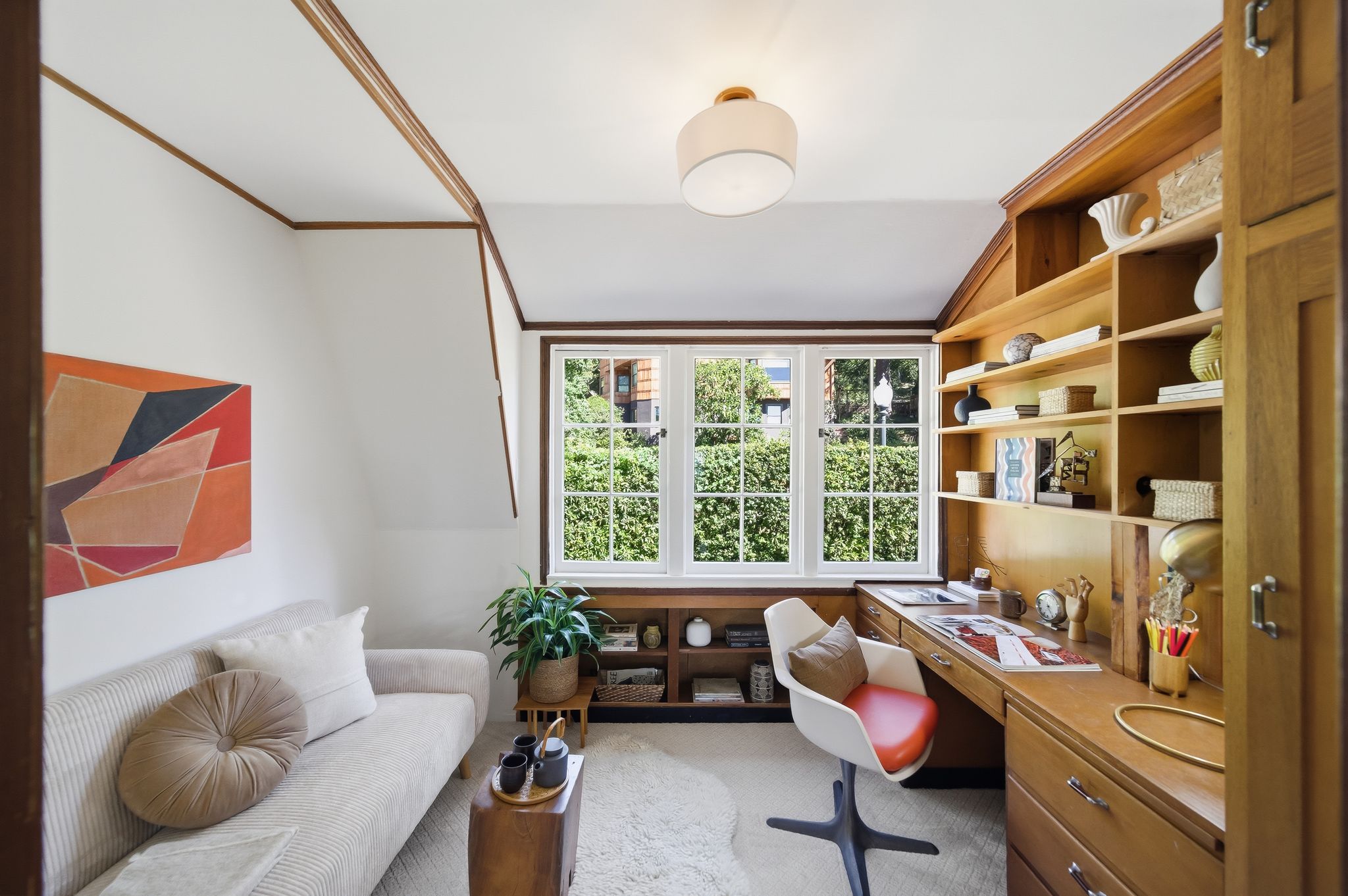
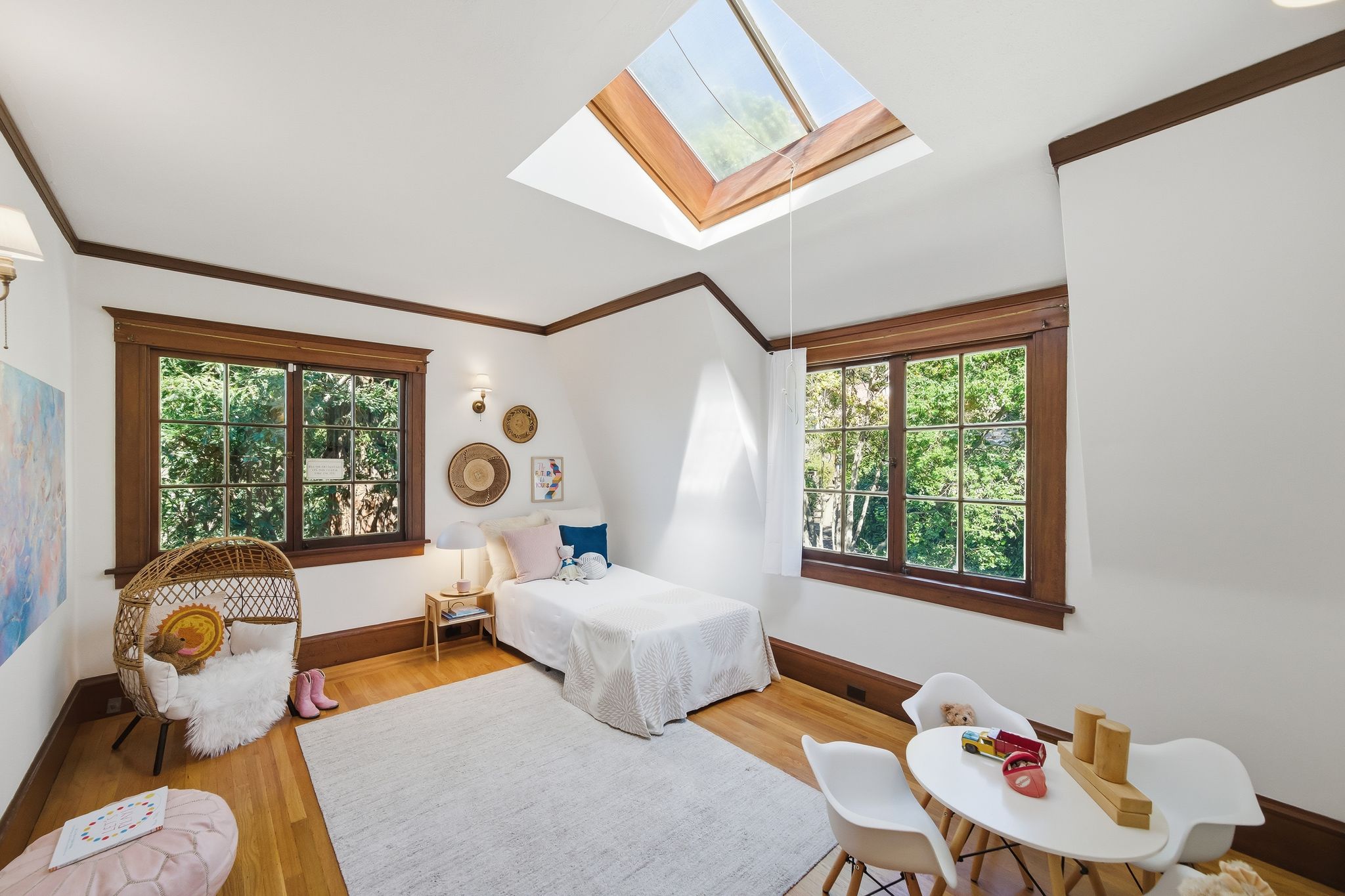
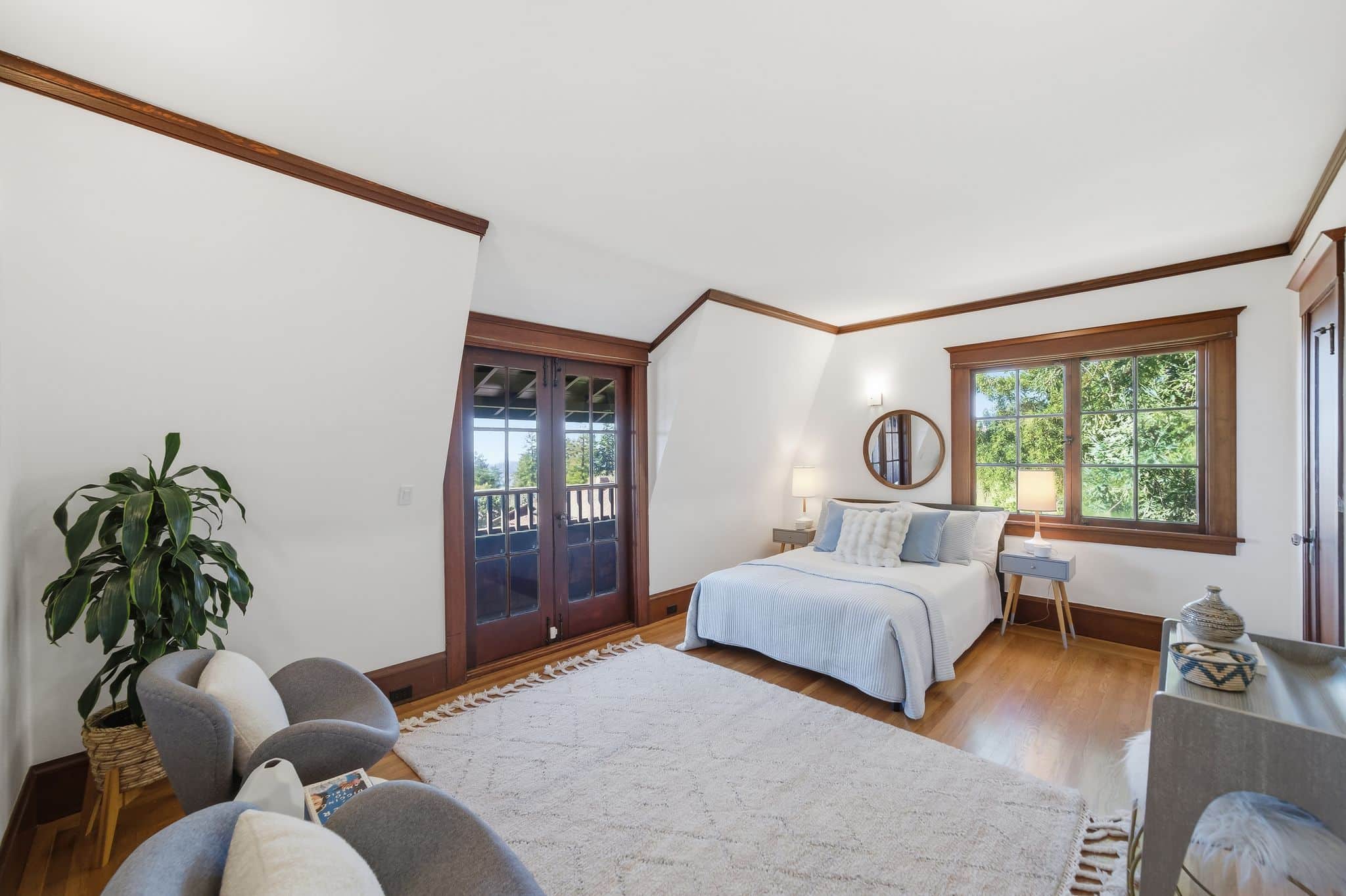
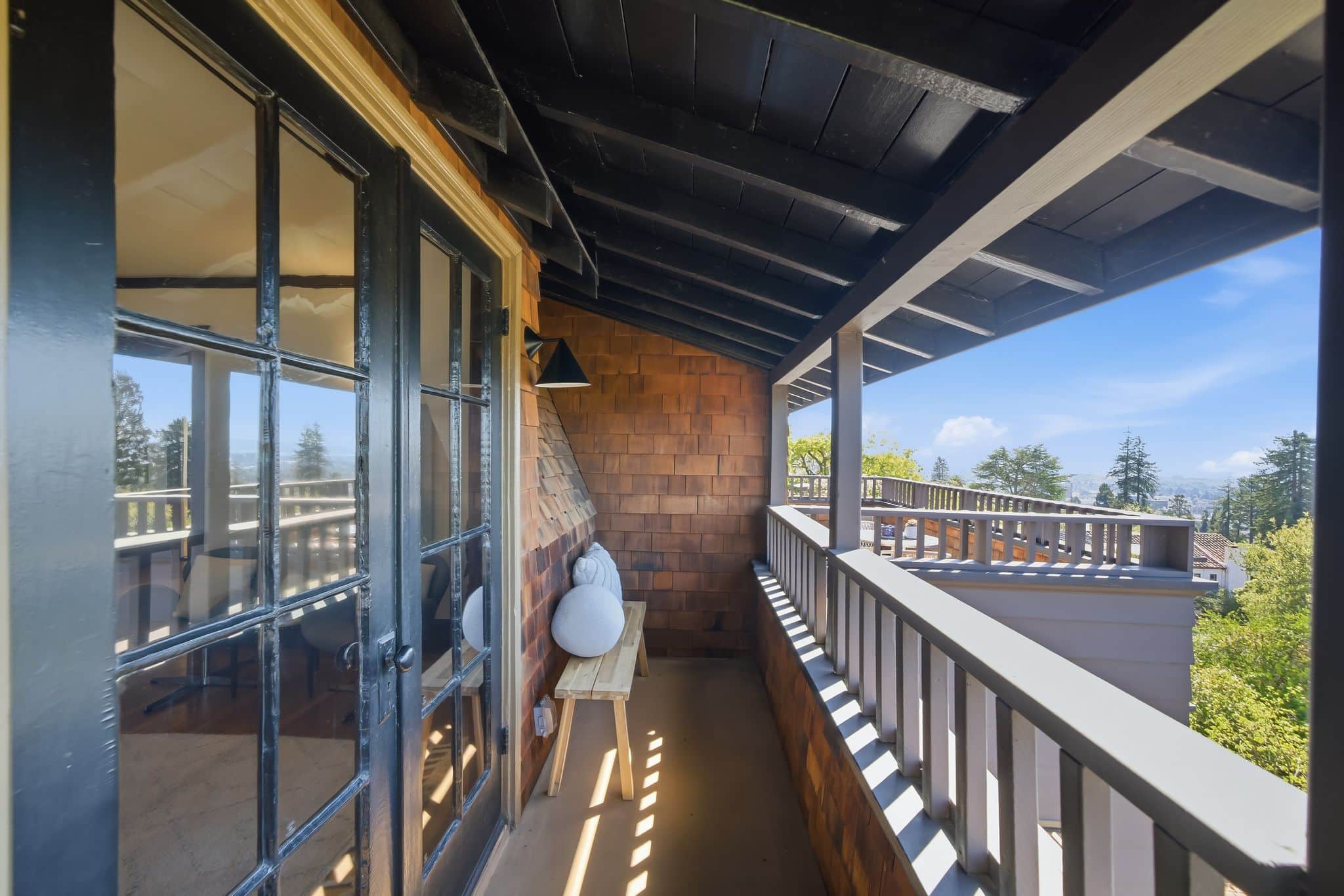
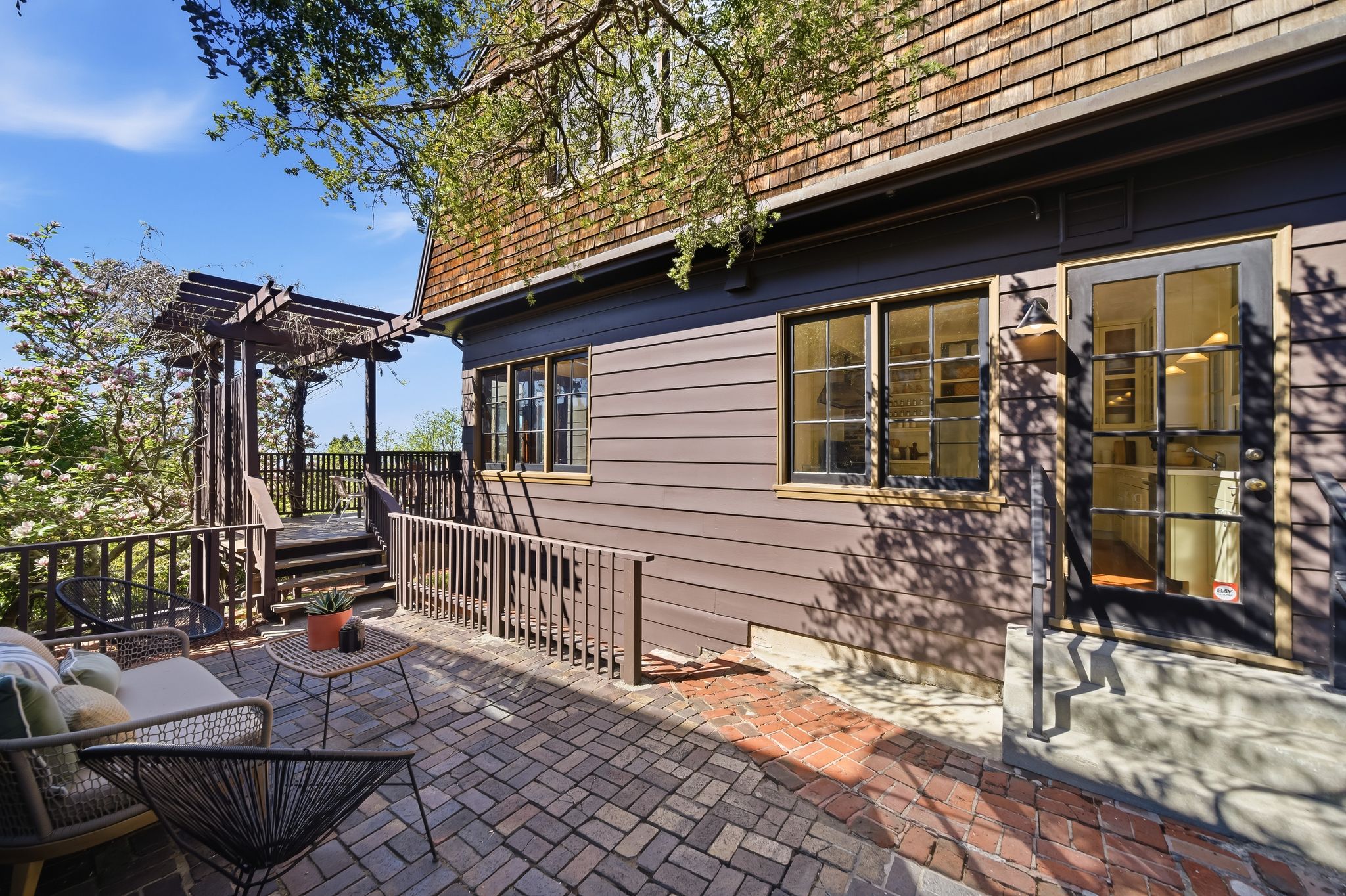
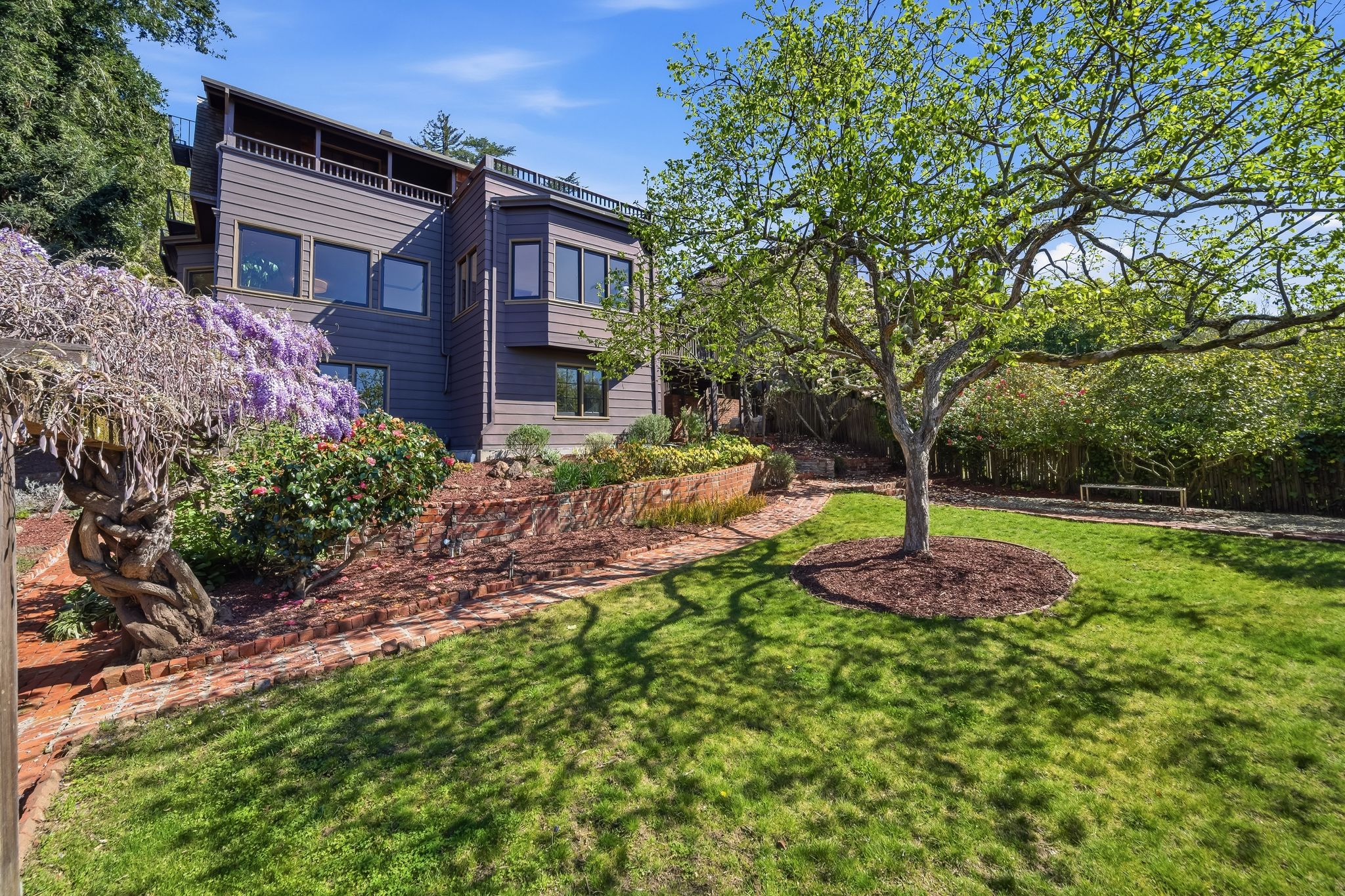
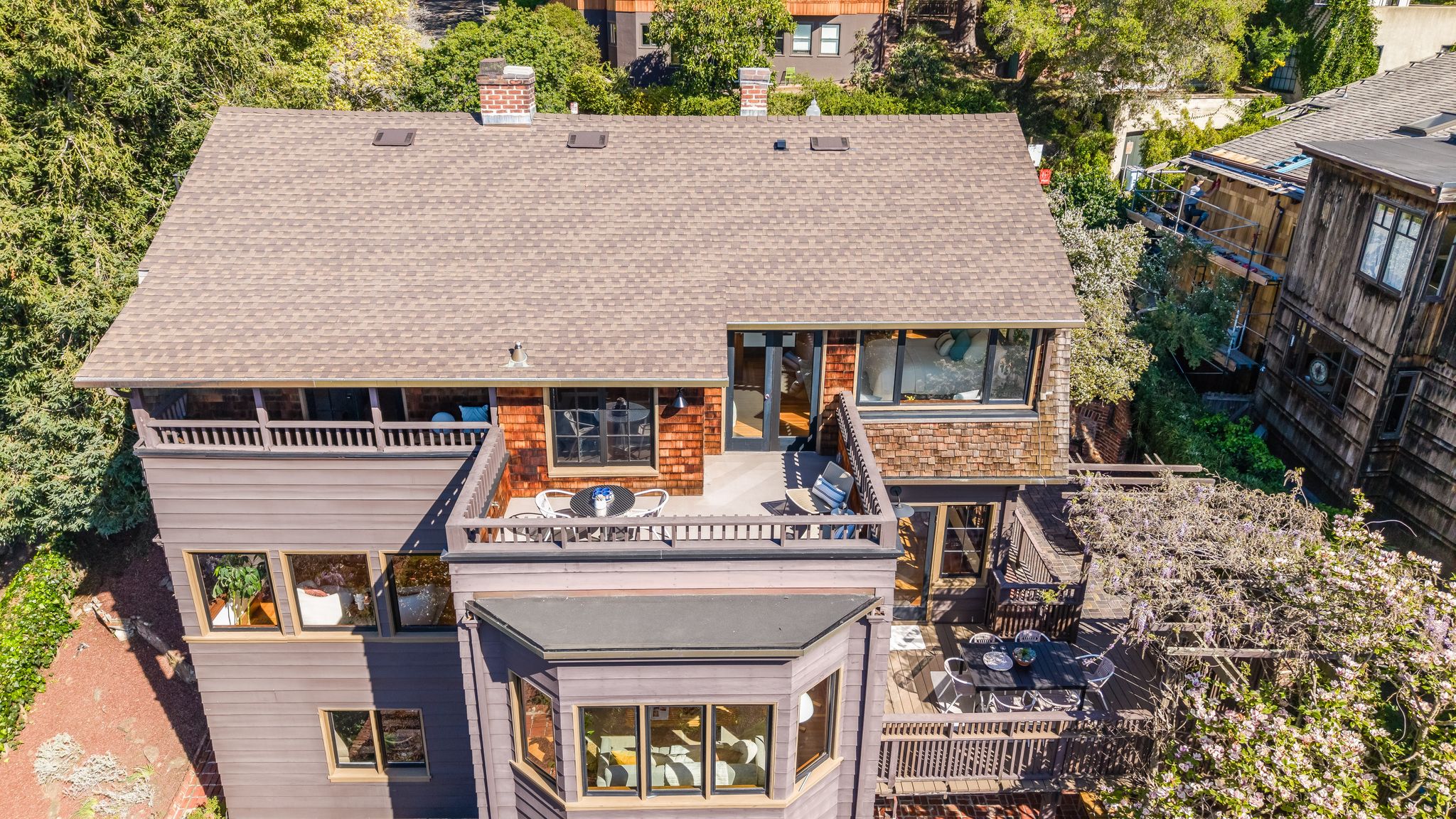
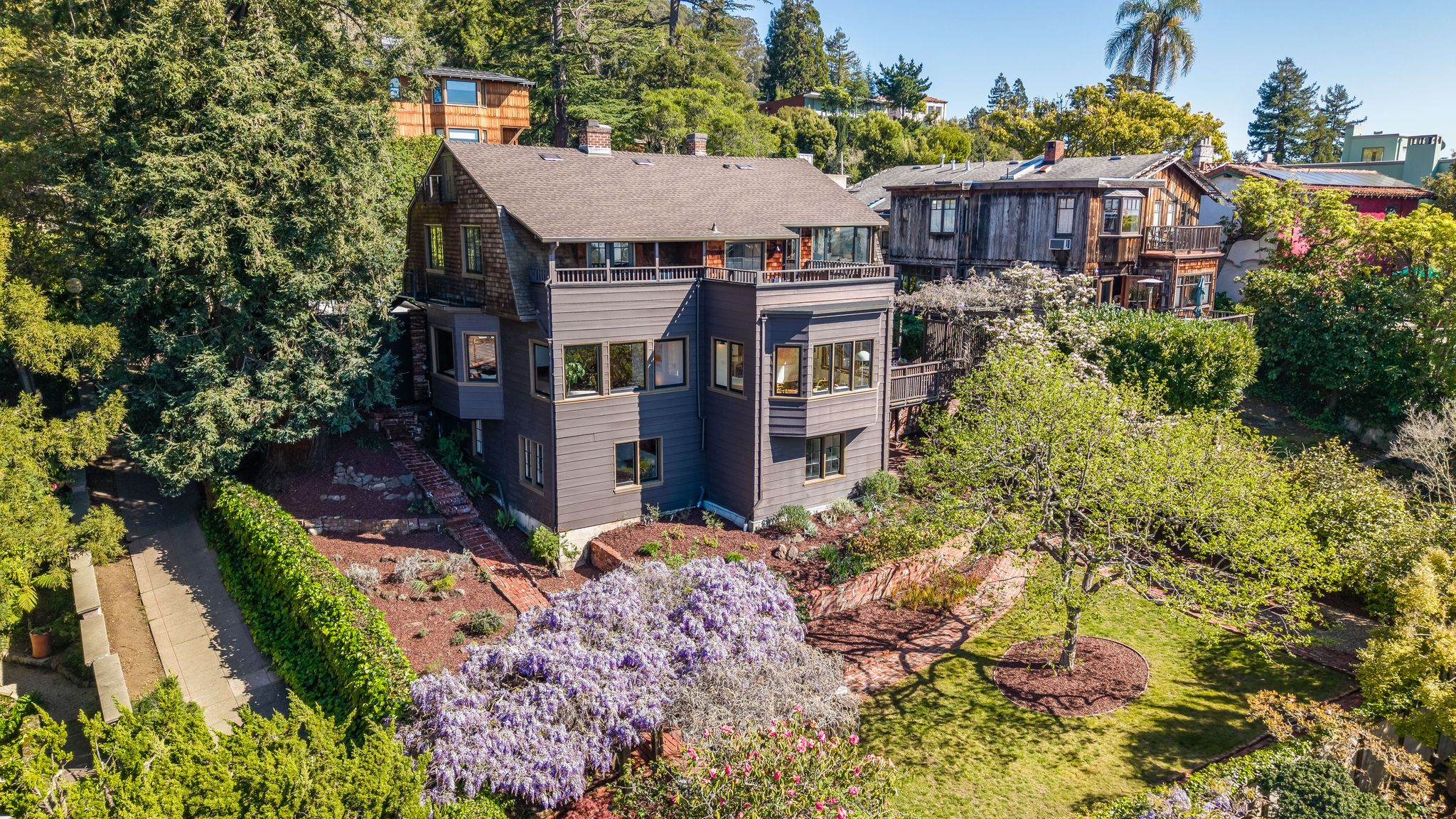
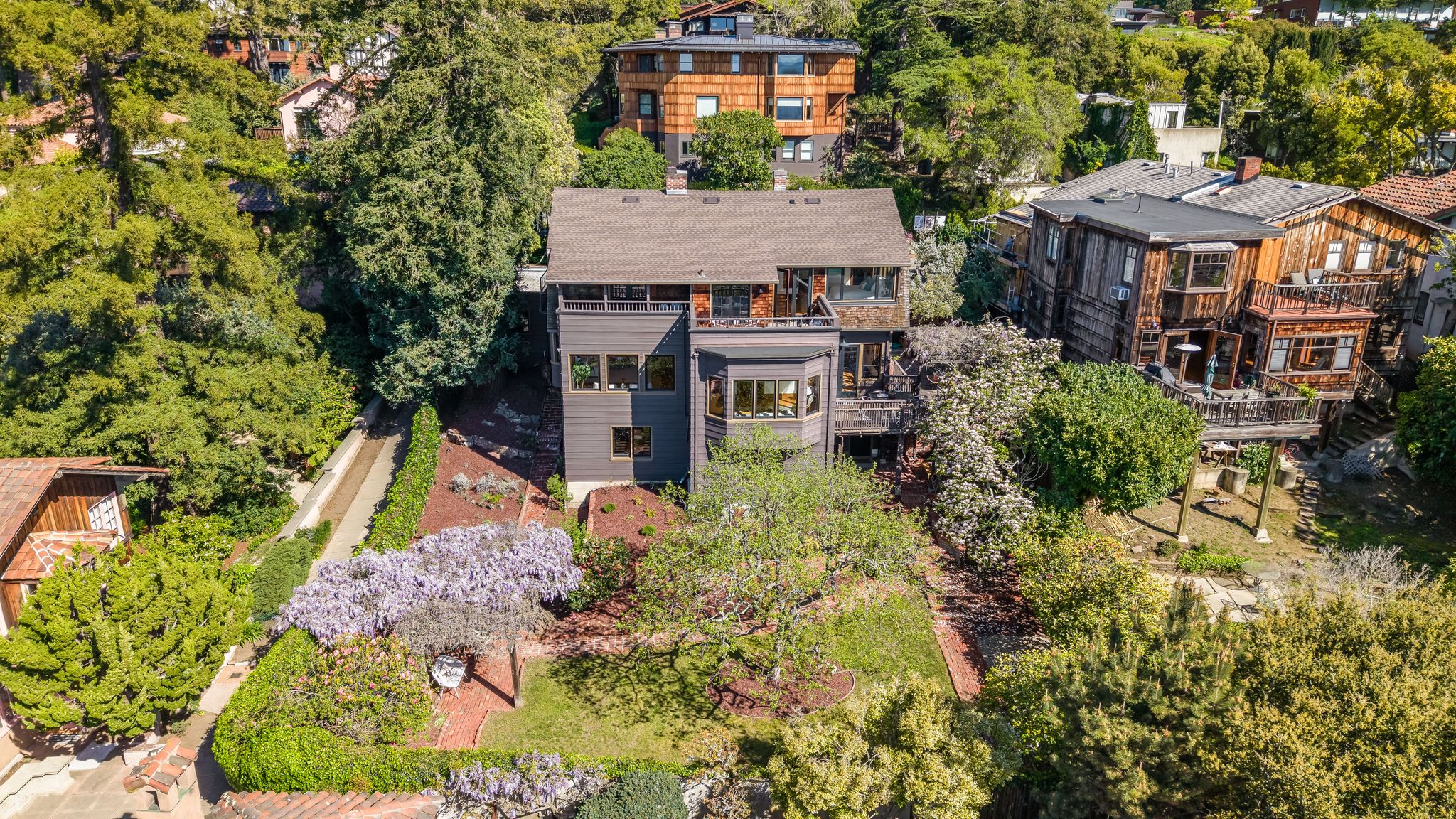
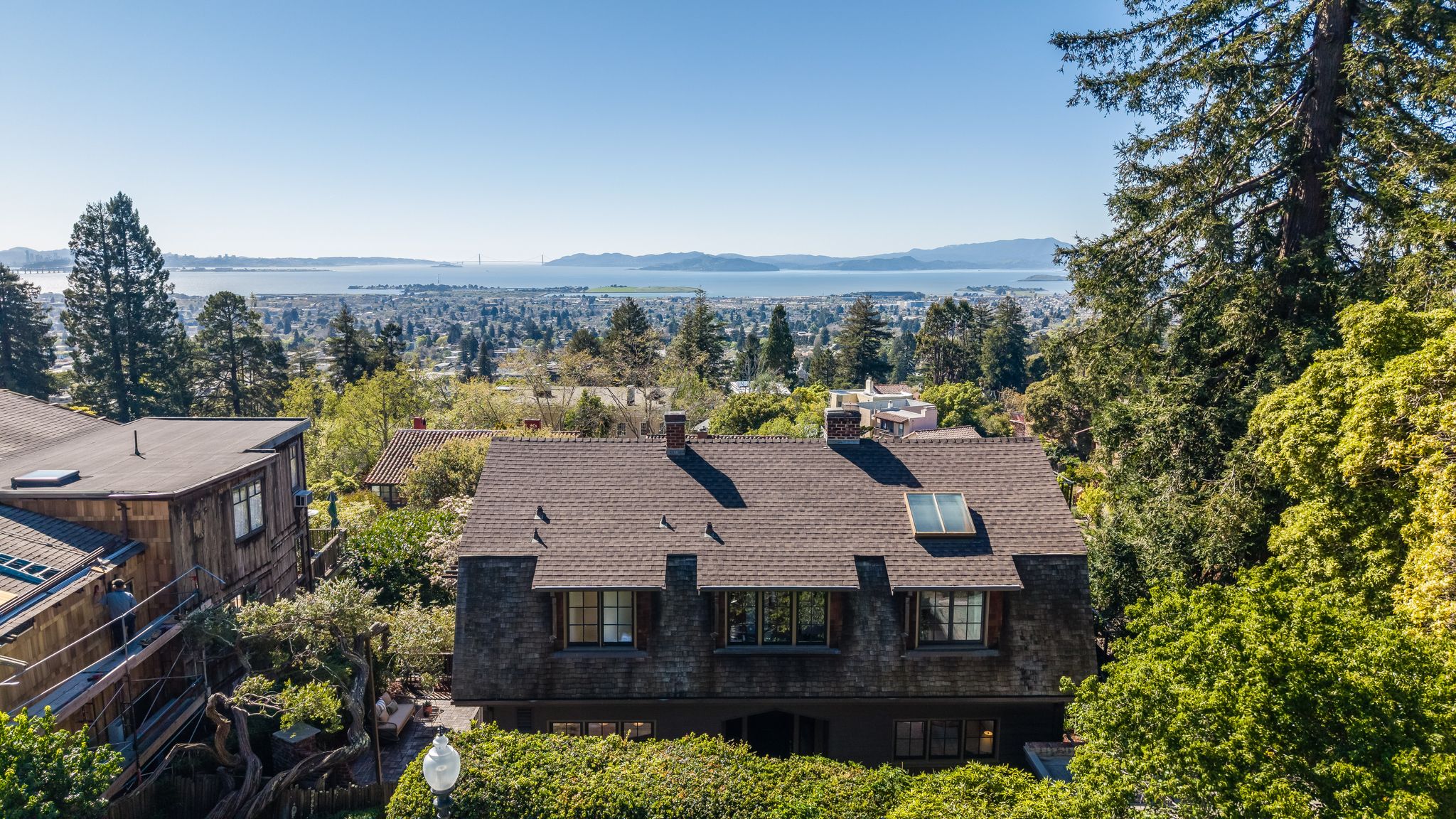
The home features wood-framed construction with gambrel roof and clapboard siding. On the east facade, paired and tripartite dormer windows capture morning sun, while French doors and casement windows on the west open toward porches and garden spaces. Original Morgan details including multi-pane wood windows, built-in elements, and a living room fireplace remain beautifully intact. Every detail feels intentional. The proportions, the light, and the way the rooms flow into each other are all deliberate, yet the home never feels fussy or formal. That balance is pure Julia Morgan: elegant without being ornamental, spacious without being grand, connected to landscape without sacrificing privacy.
The property’s location at the top of Rose Walk is integral to its significance. Rose Walk was designed in 1913 by Bernard Maybeck, one of Berkeley’s most influential architects and Julia Morgan’s mentor, in the Beaux-Arts tradition. This spacious pedestrian stairway has connected Euclid and Le Roy avenues for more than a century, designed about 20 years before the Berkeley Rose Garden was constructed a block away. The walk and the houses surrounding it reflect a period when Berkeley’s hills were becoming a laboratory for new architectural ideas rooted in craftsmanship, landscape, and belief that the built environment could shape daily life for the better. The homes form one of Berkeley’s most distinctive residential enclaves, shaped by great architects and occupied by people who valued Berkeley’s progressive ideals.
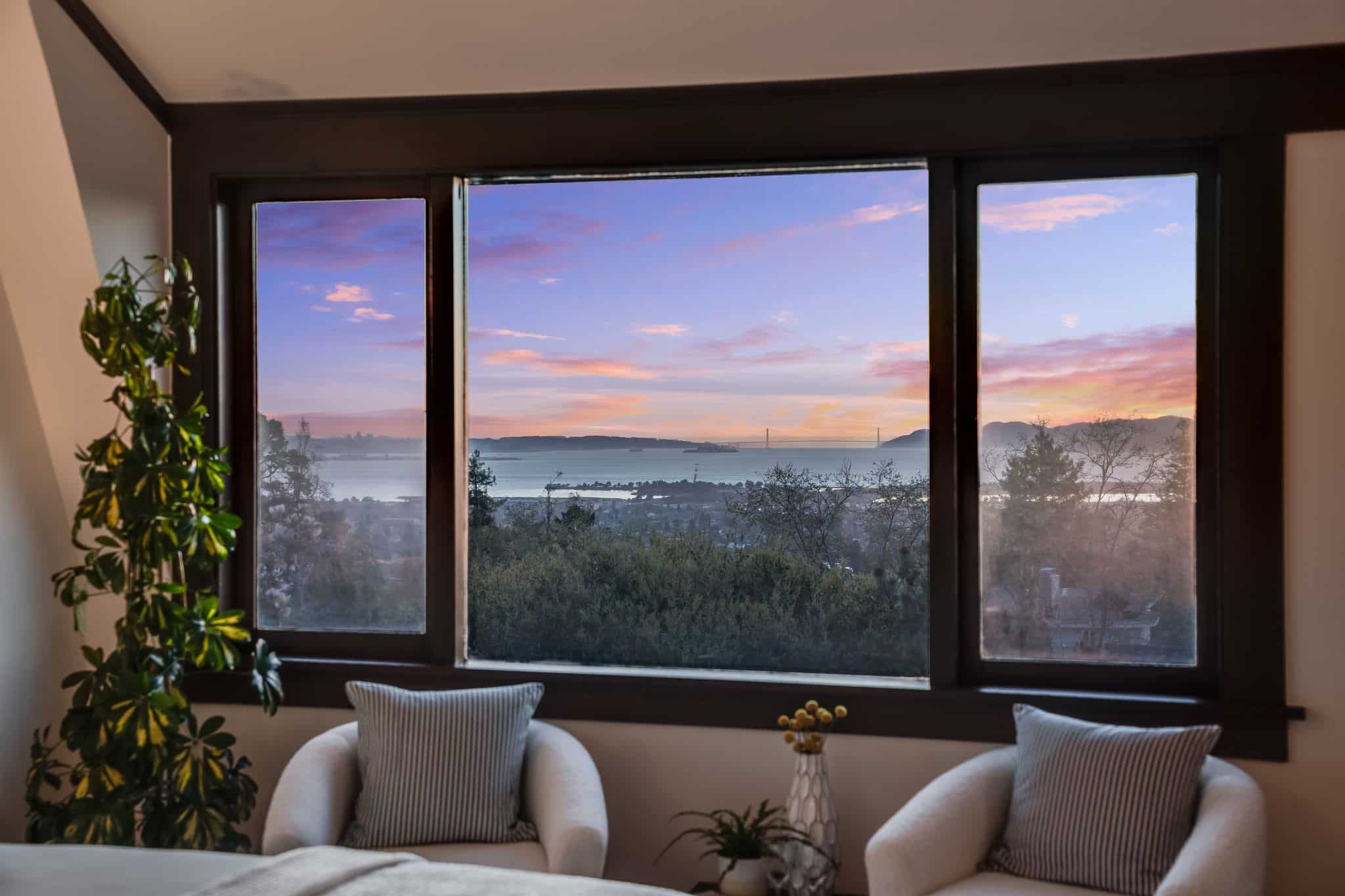
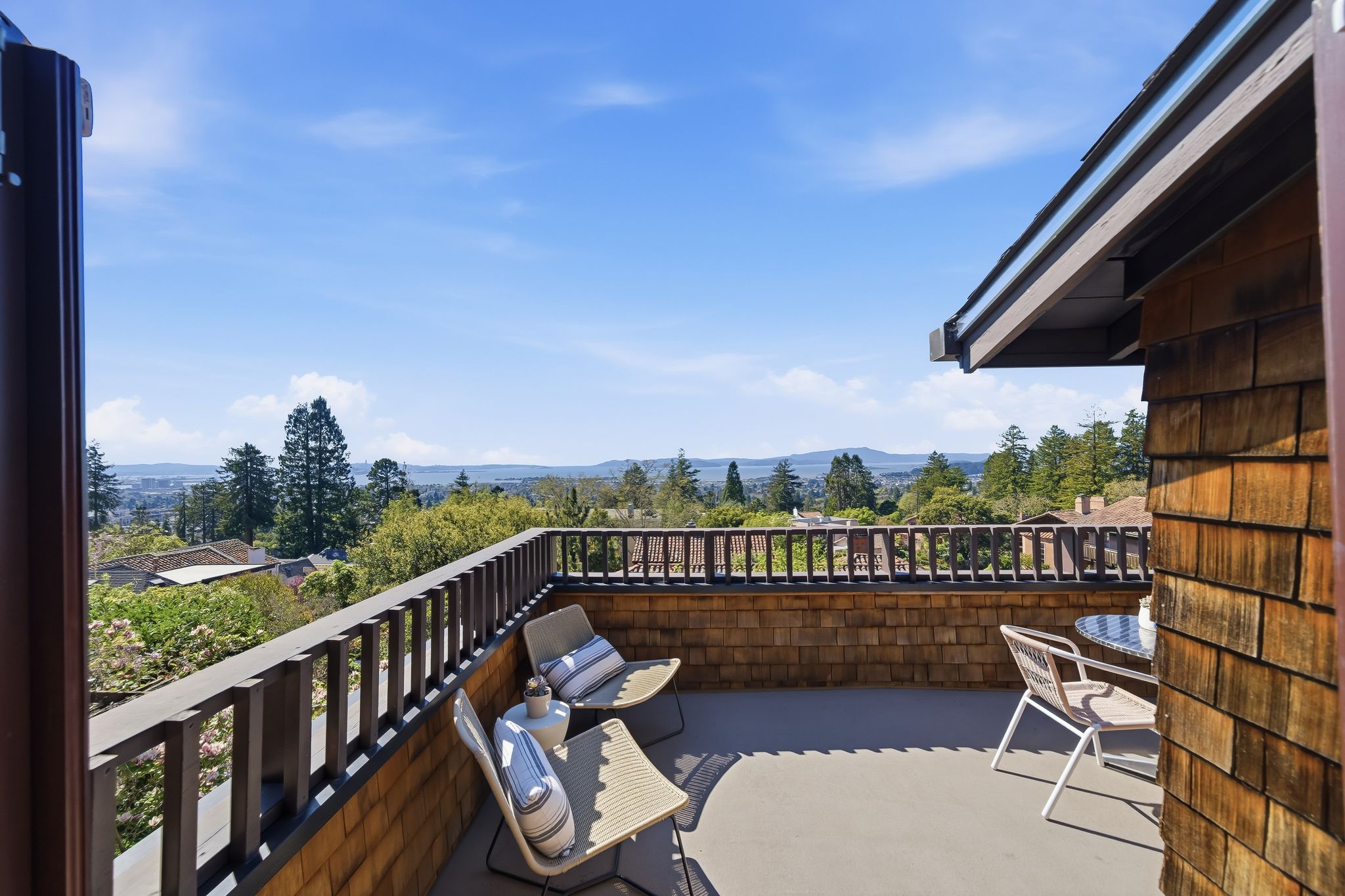
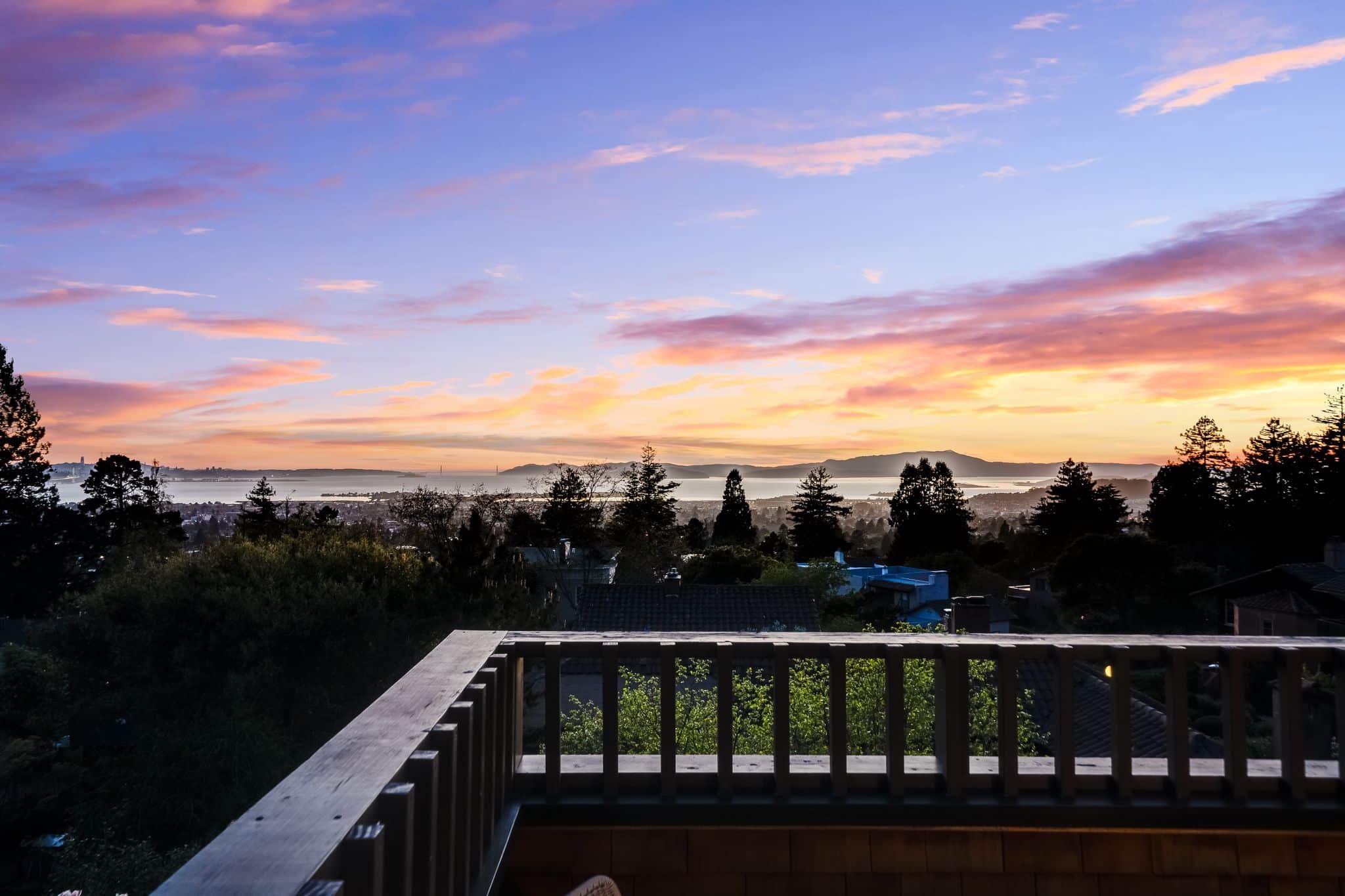
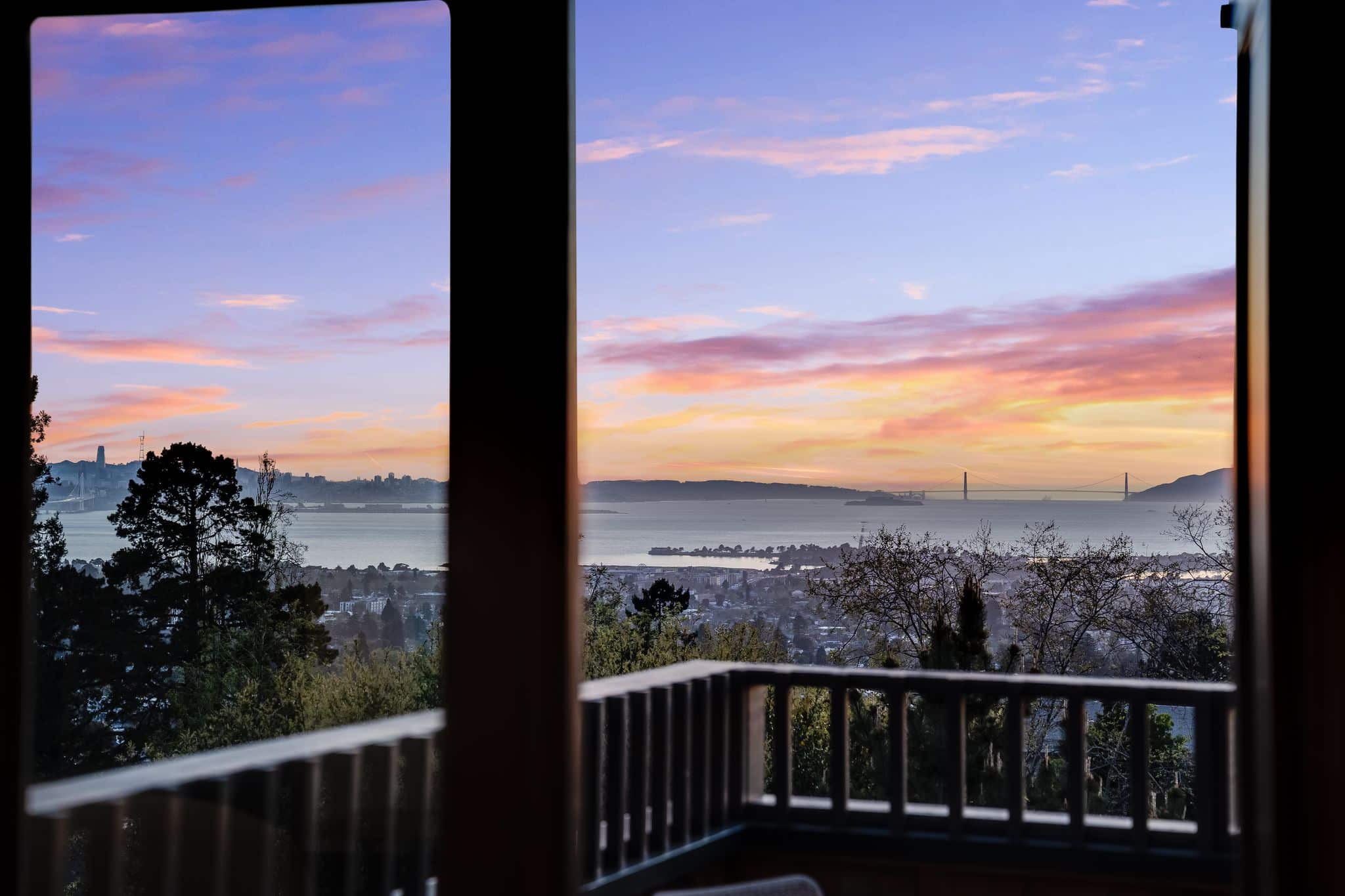
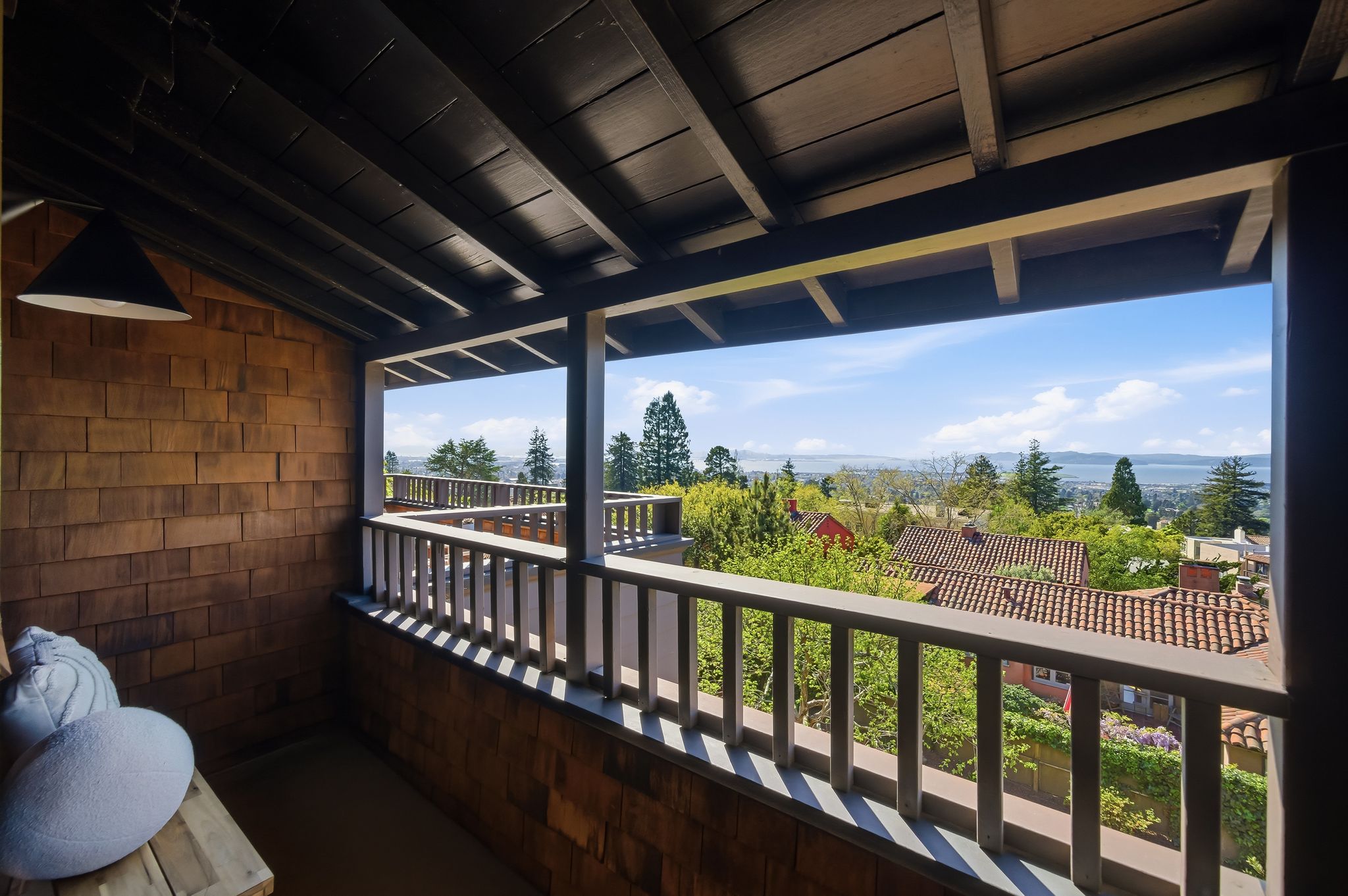
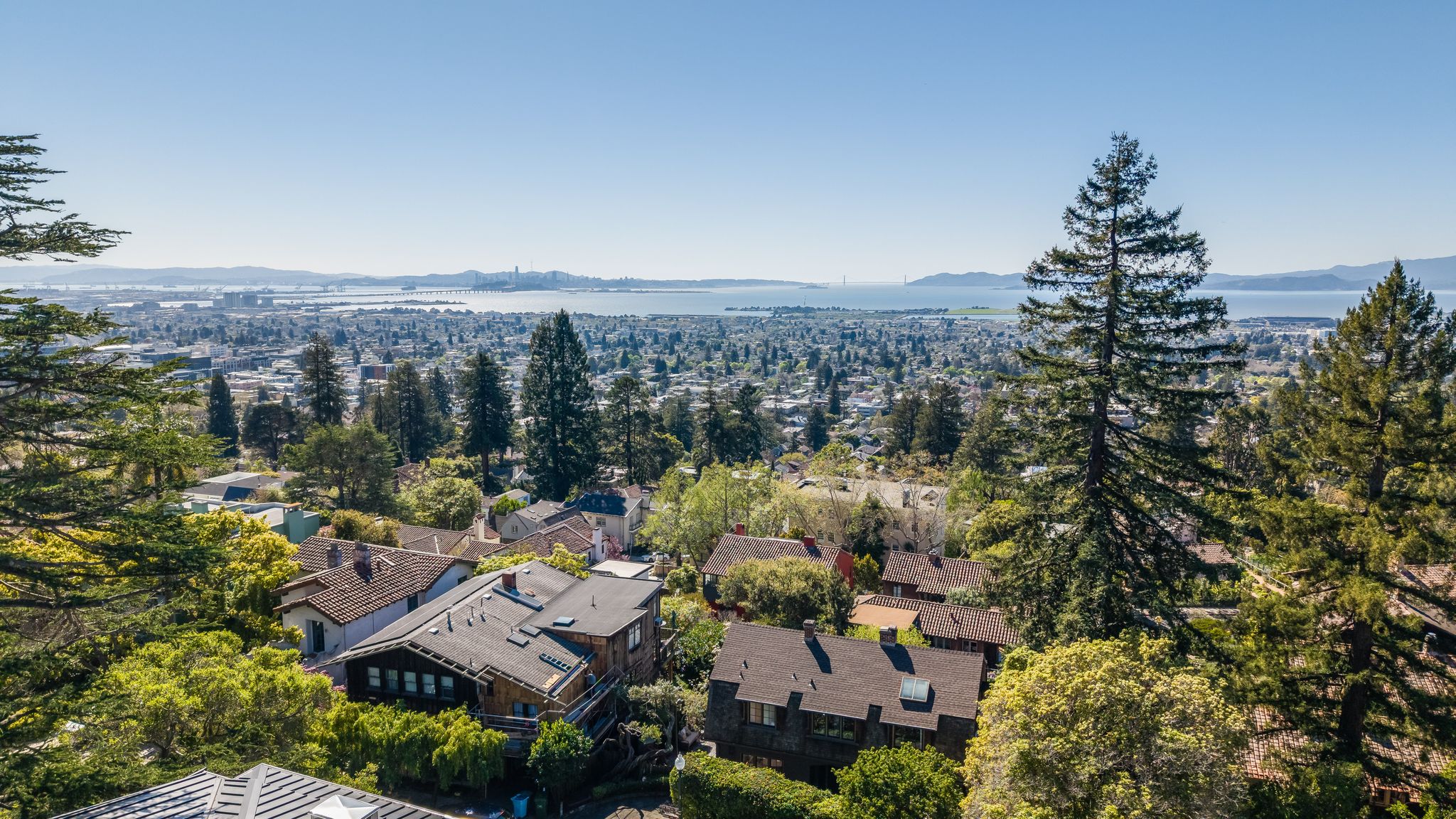
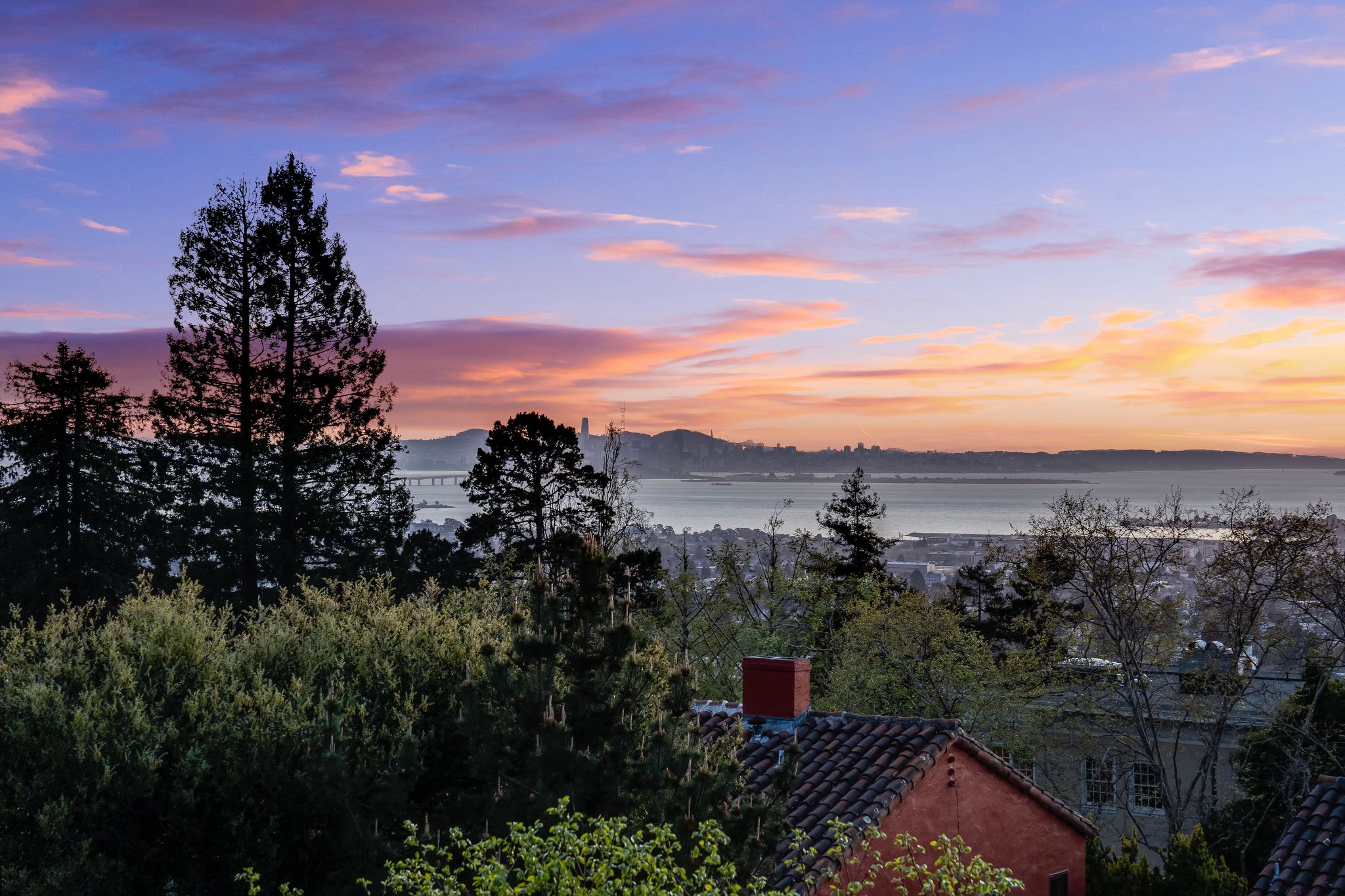
The home is included within Berkeley’s landmark designation of Rose Walk, recognizing both the Maybeck-designed pedestrian corridor and the exceptional collection of homes clustered around it. Rose Walk is one of those Berkeley secrets that locals treasure: a public space that feels intimate. Being at the top of it, with unobstructed Bay views extending to San Francisco and the Golden Gate Bridge, provides a sense of elevation and perspective that sets this location apart.
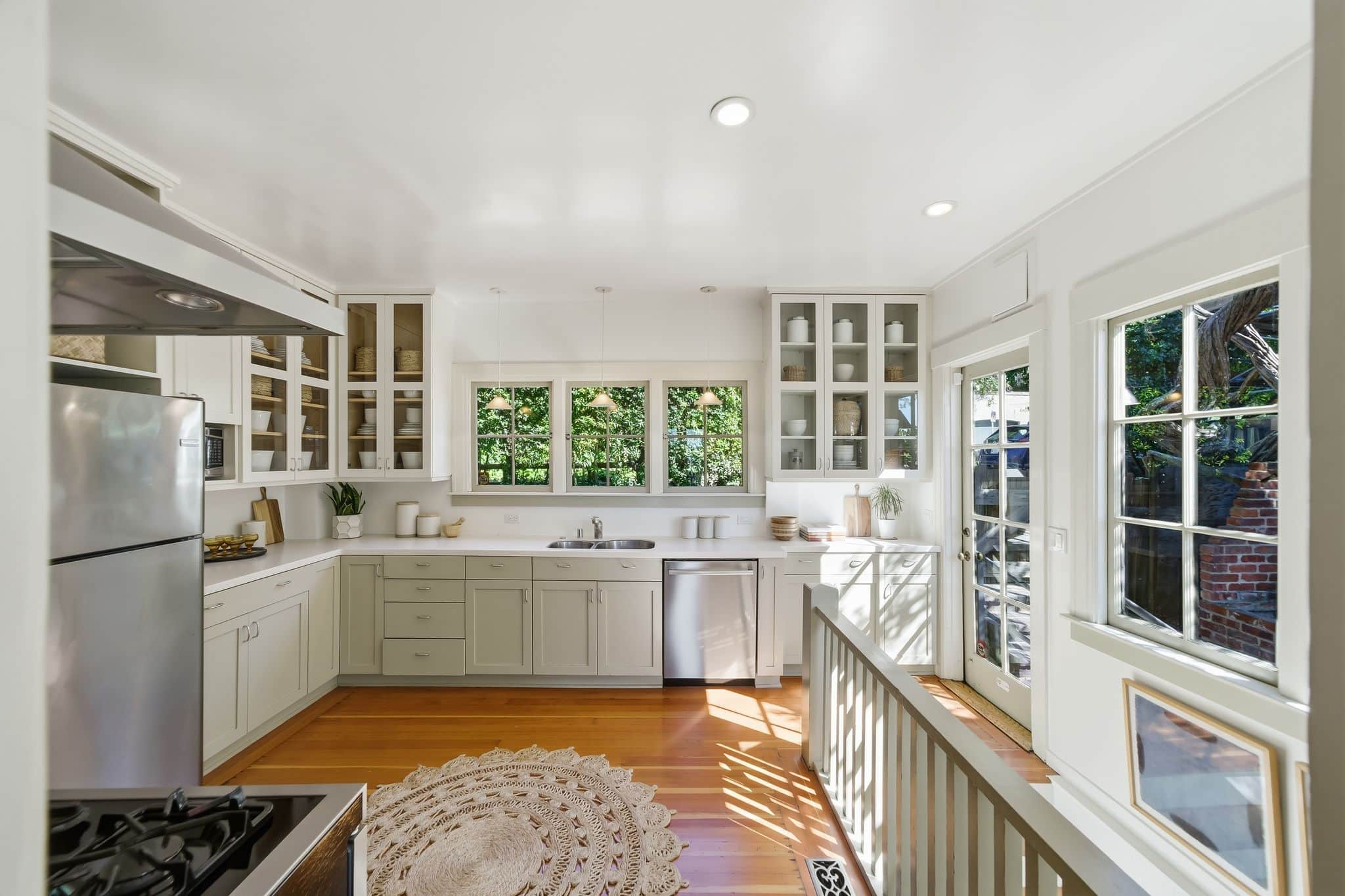
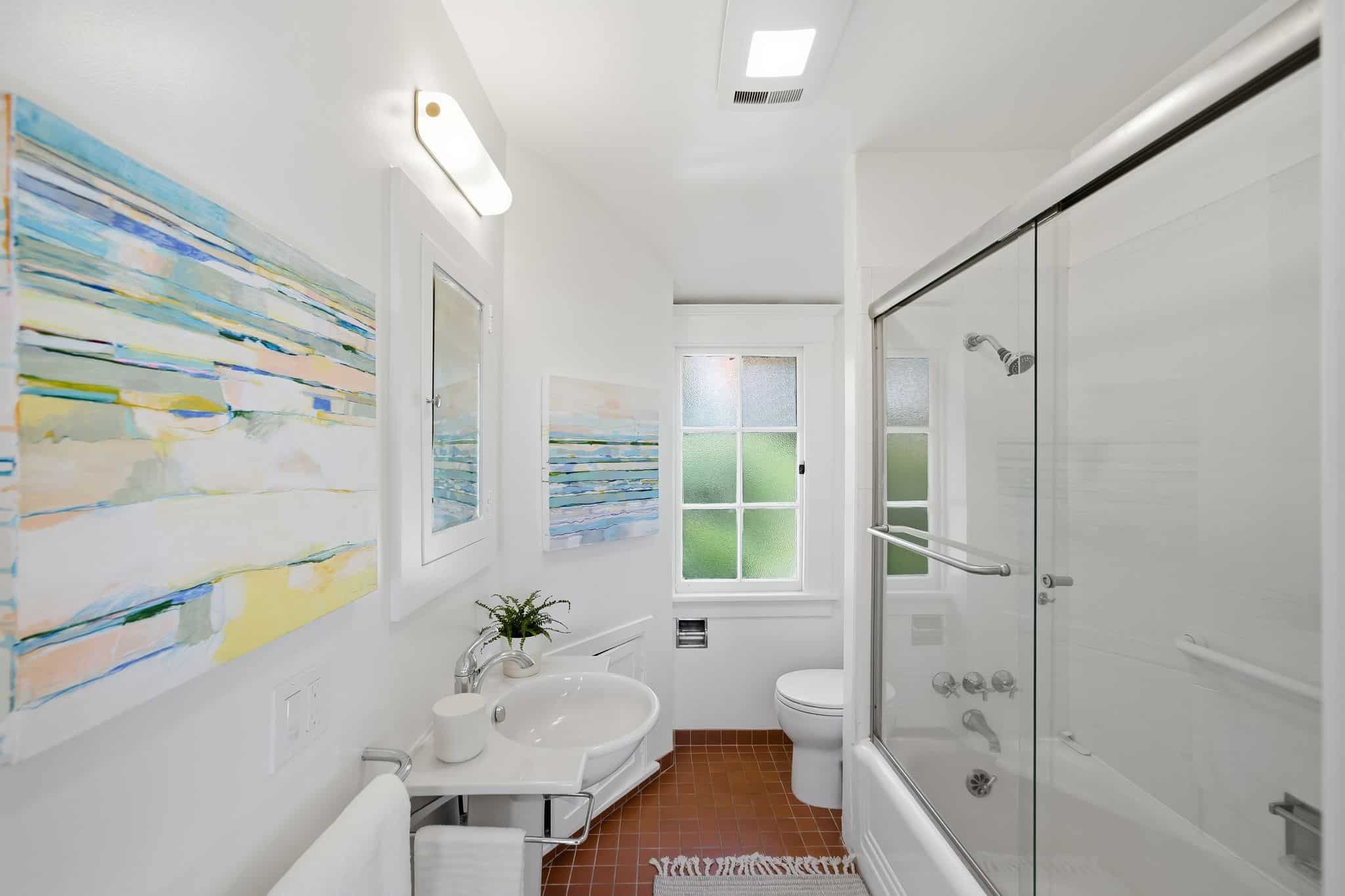
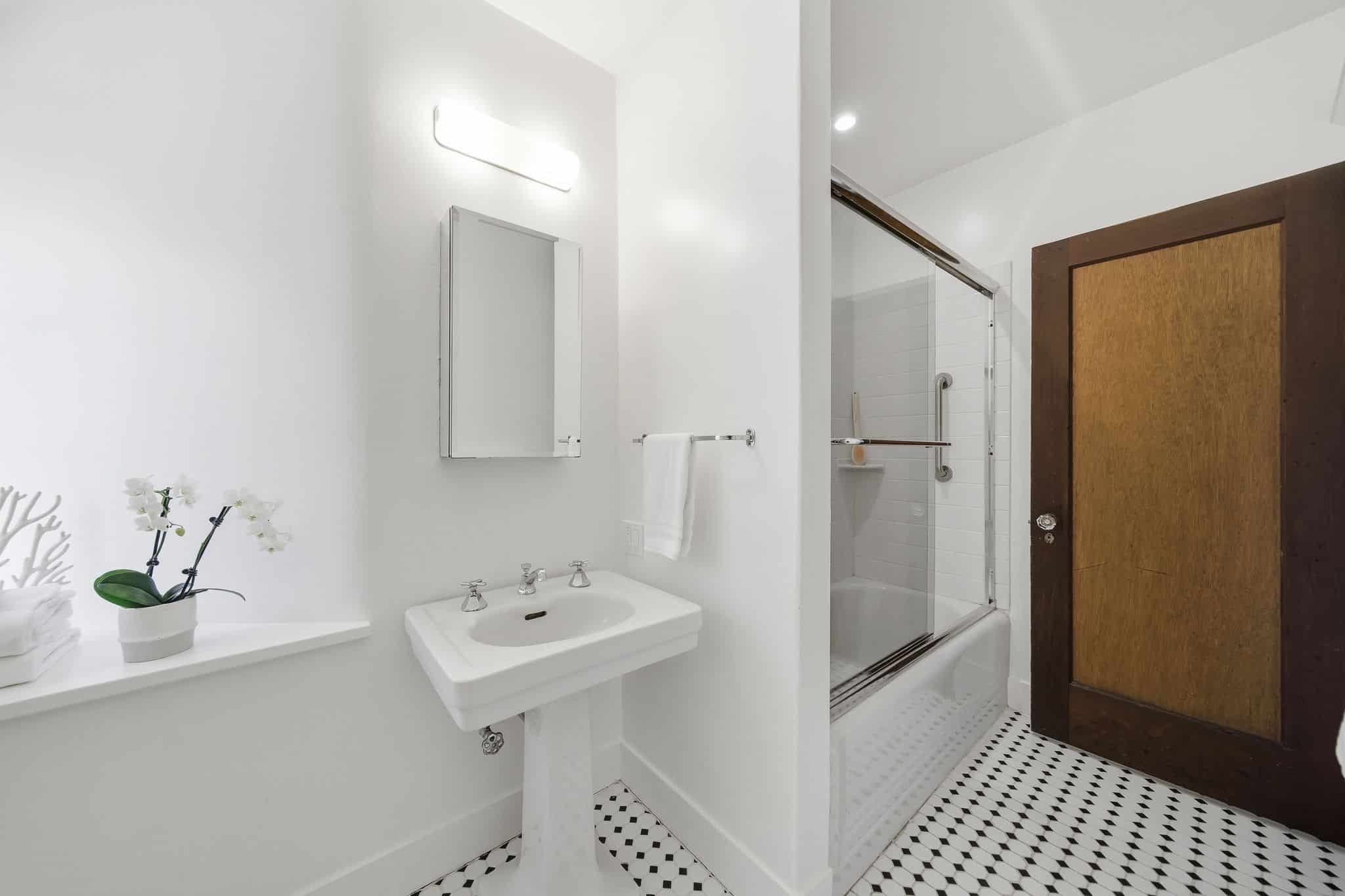
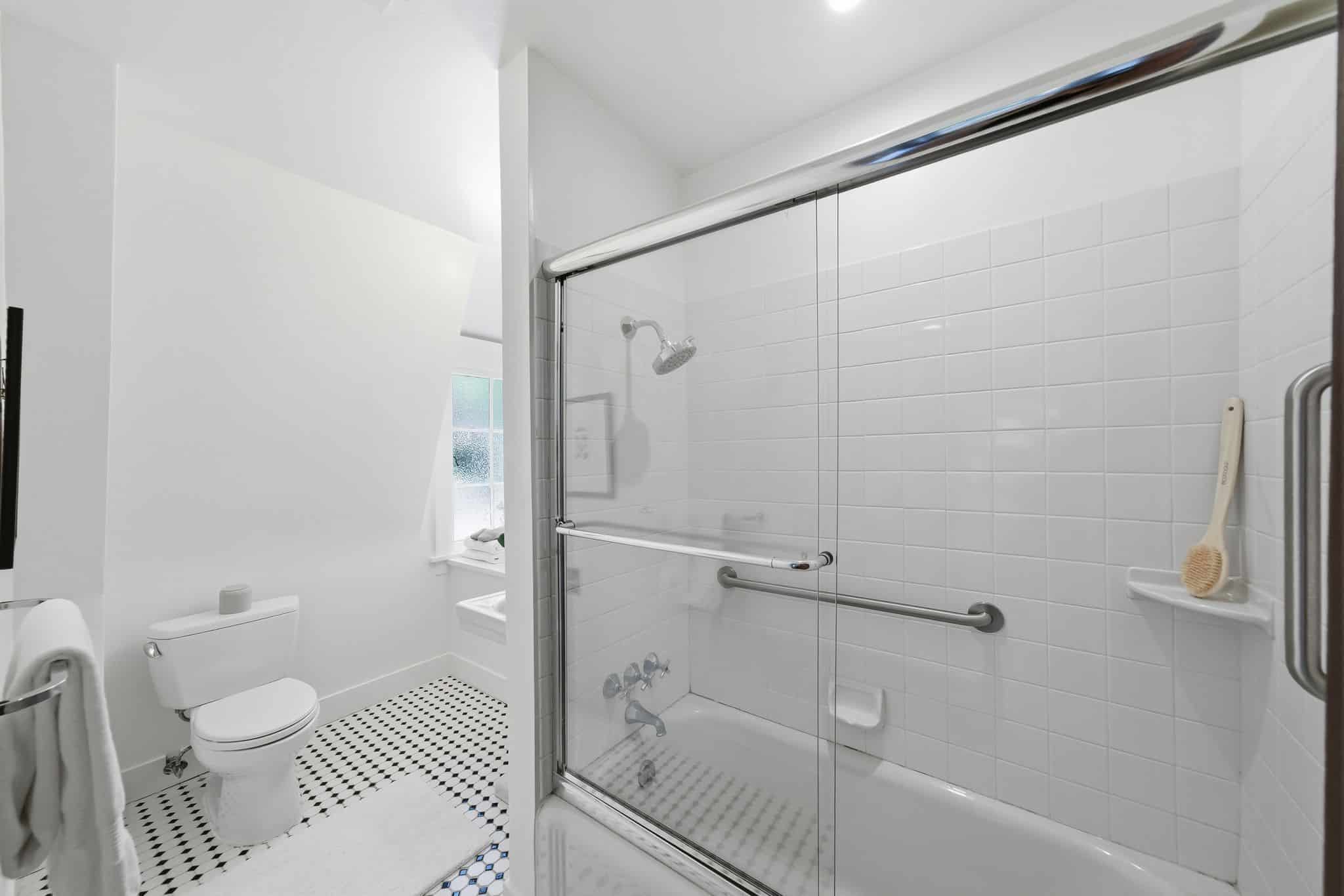
The home has been thoughtfully updated over the years while maintaining its architectural integrity, offering the character and craftsmanship of a Julia Morgan design with the comfort expected in a contemporary home. This is architecture meant to be lived in, adapted, and carried forward. Within walking distance are the Berkeley Rose Garden (one block away), Codornices Park, Solano Avenue shopping and dining, and access to regional parks and hiking trails.
This is a home for someone who values design, who appreciates Berkeley’s history, and who wants to live in a place that feels connected to something larger than just the four walls. It’s not for everyone, but for the right person, it’s everything.





Virtual Tour

Video
Floor Plans

Amenities
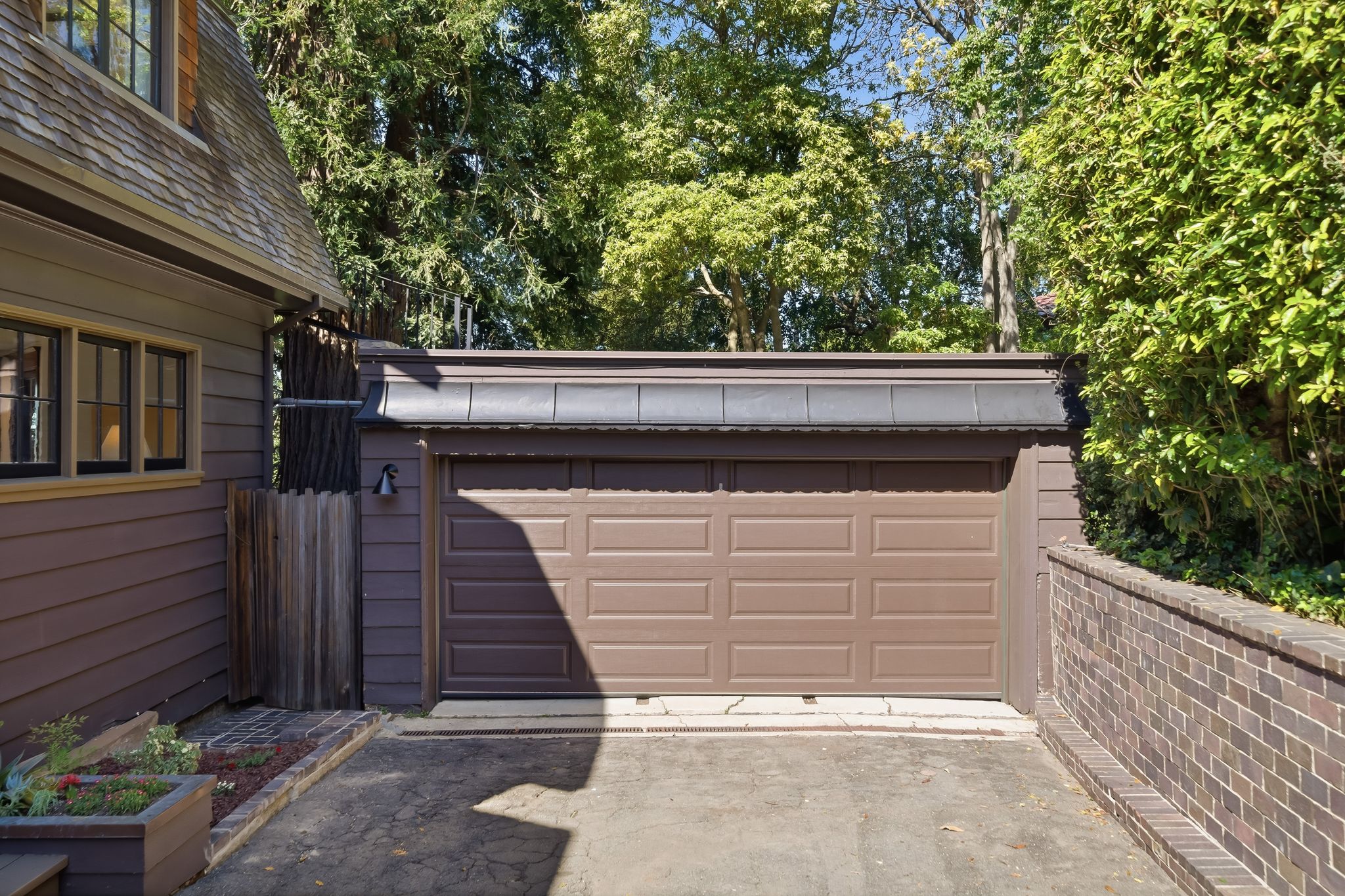
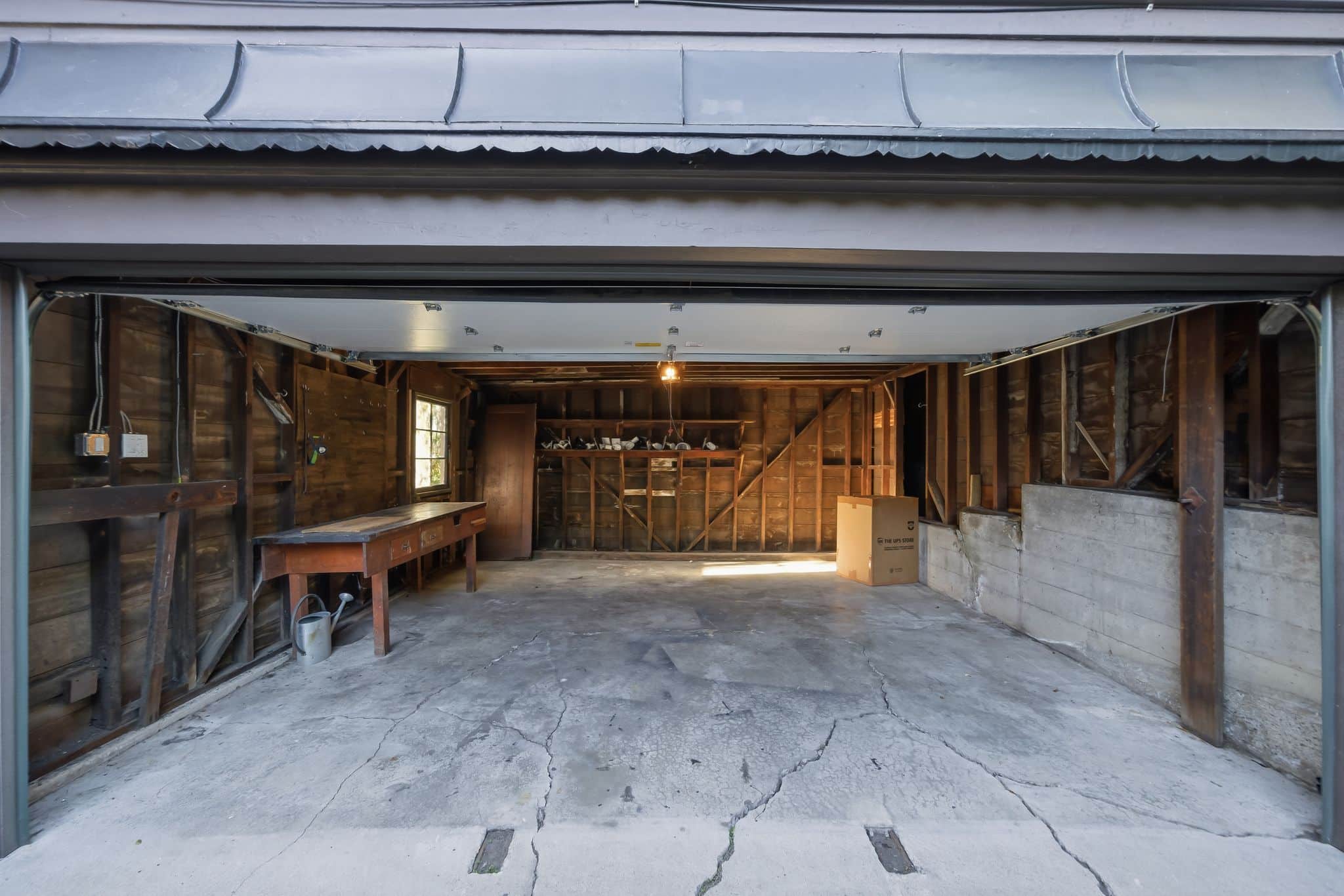
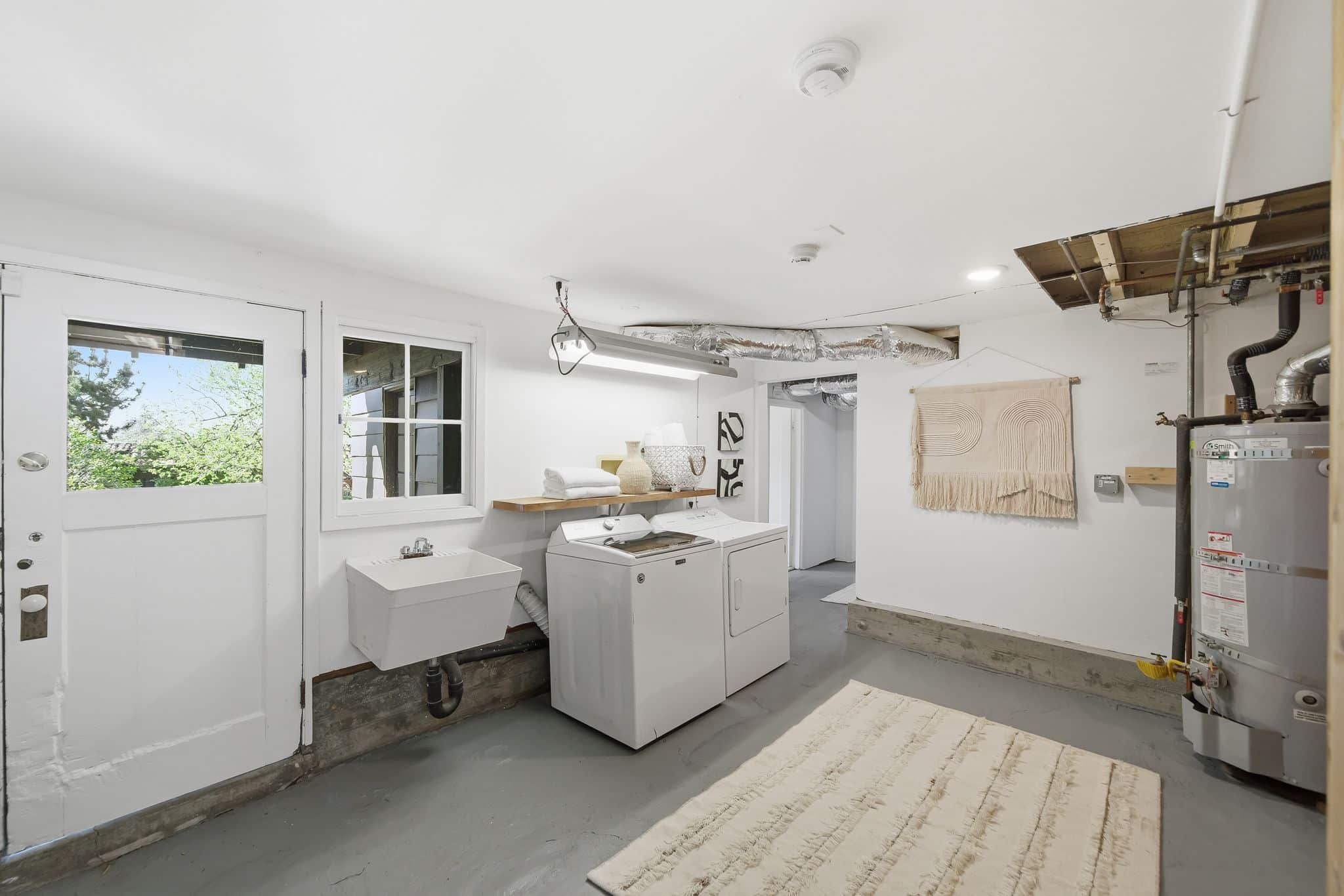
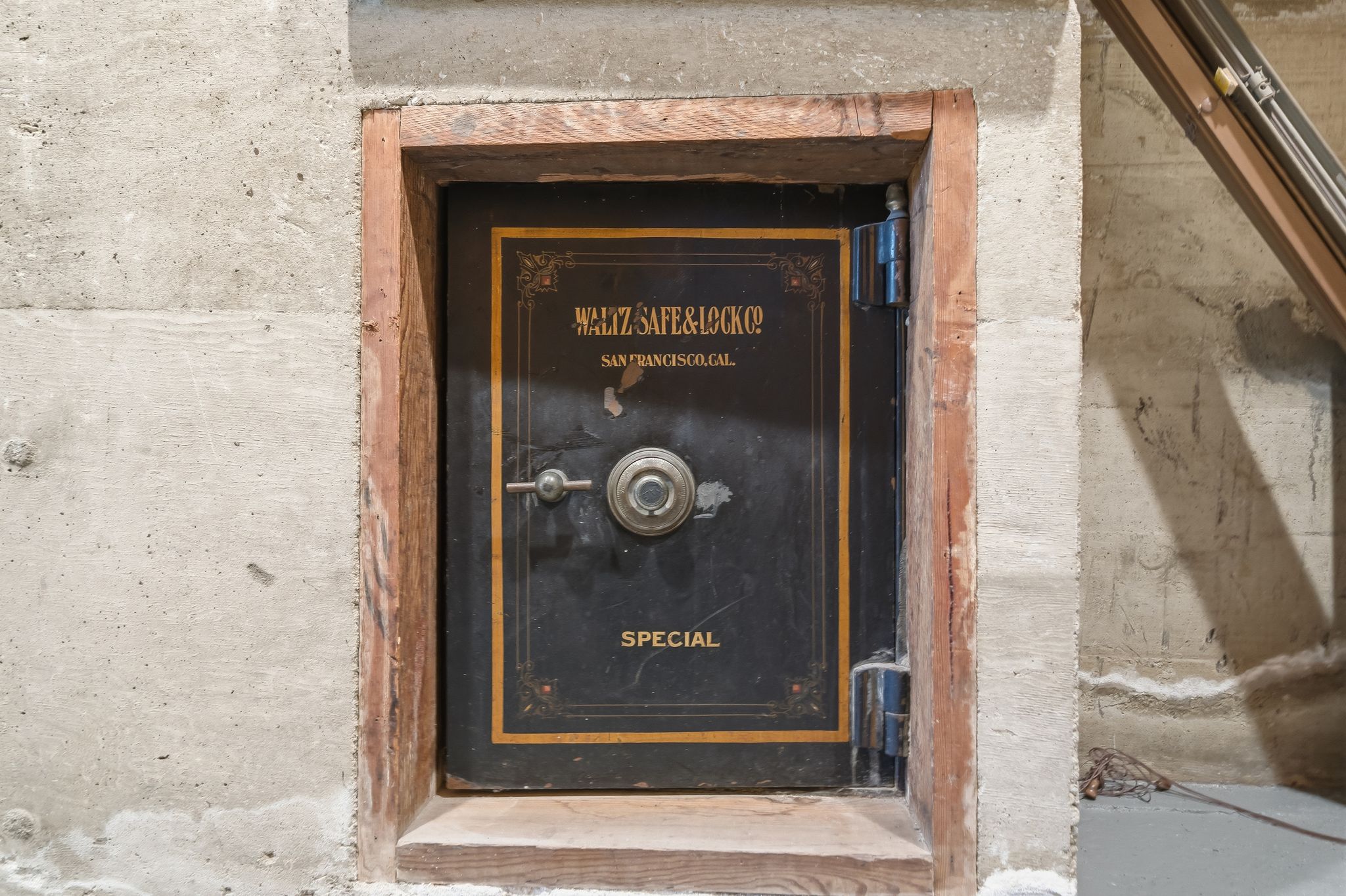
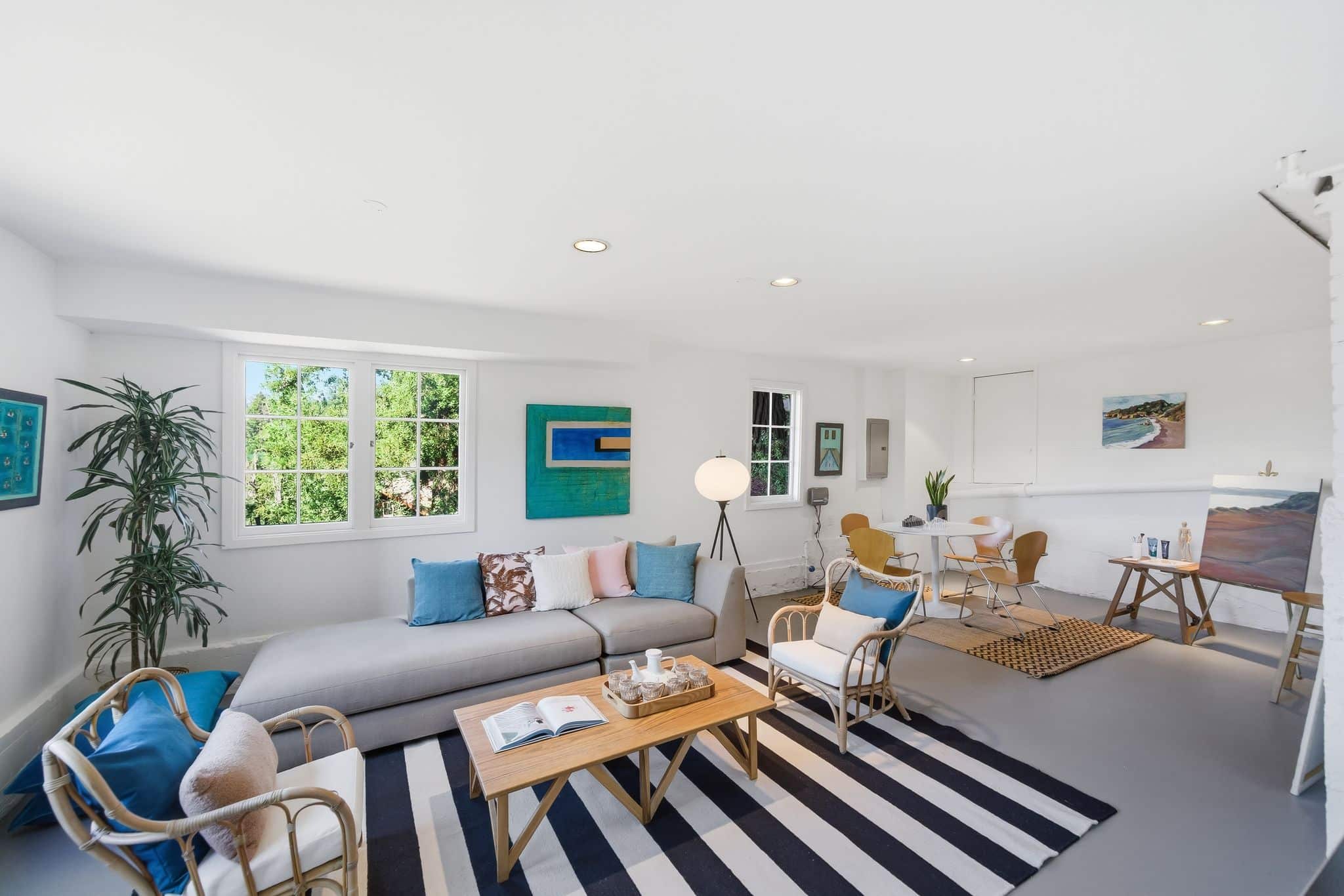
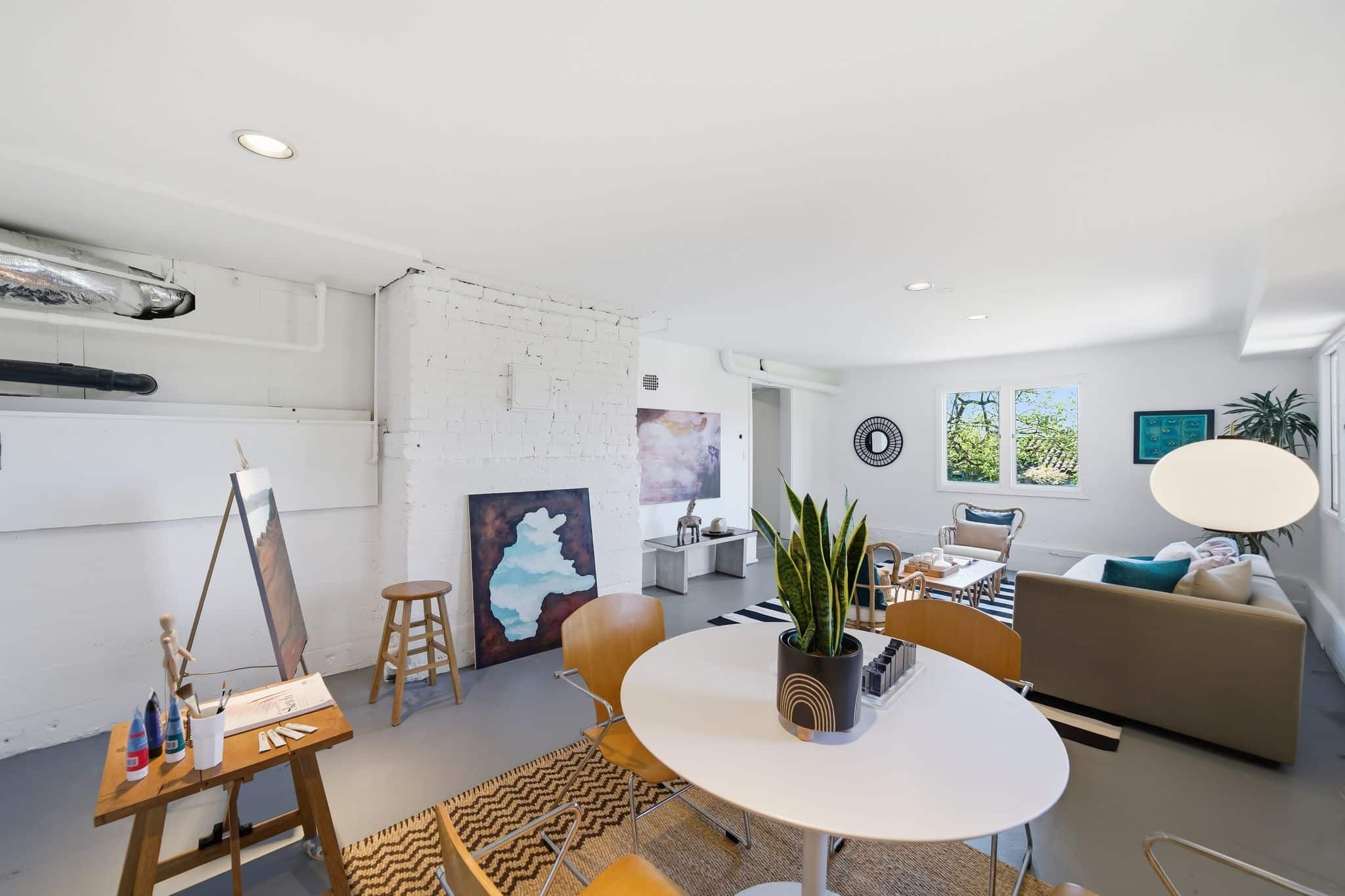
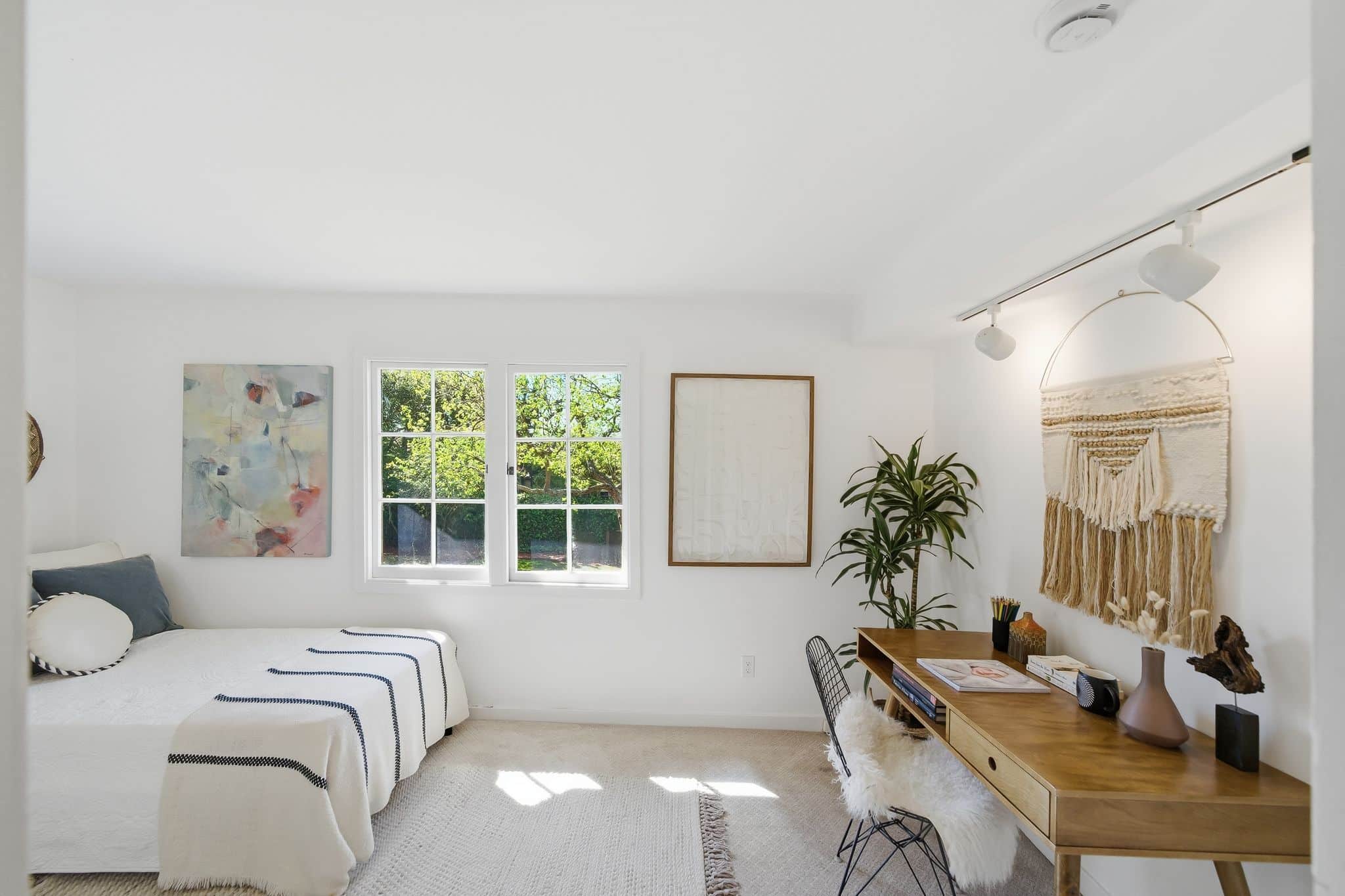
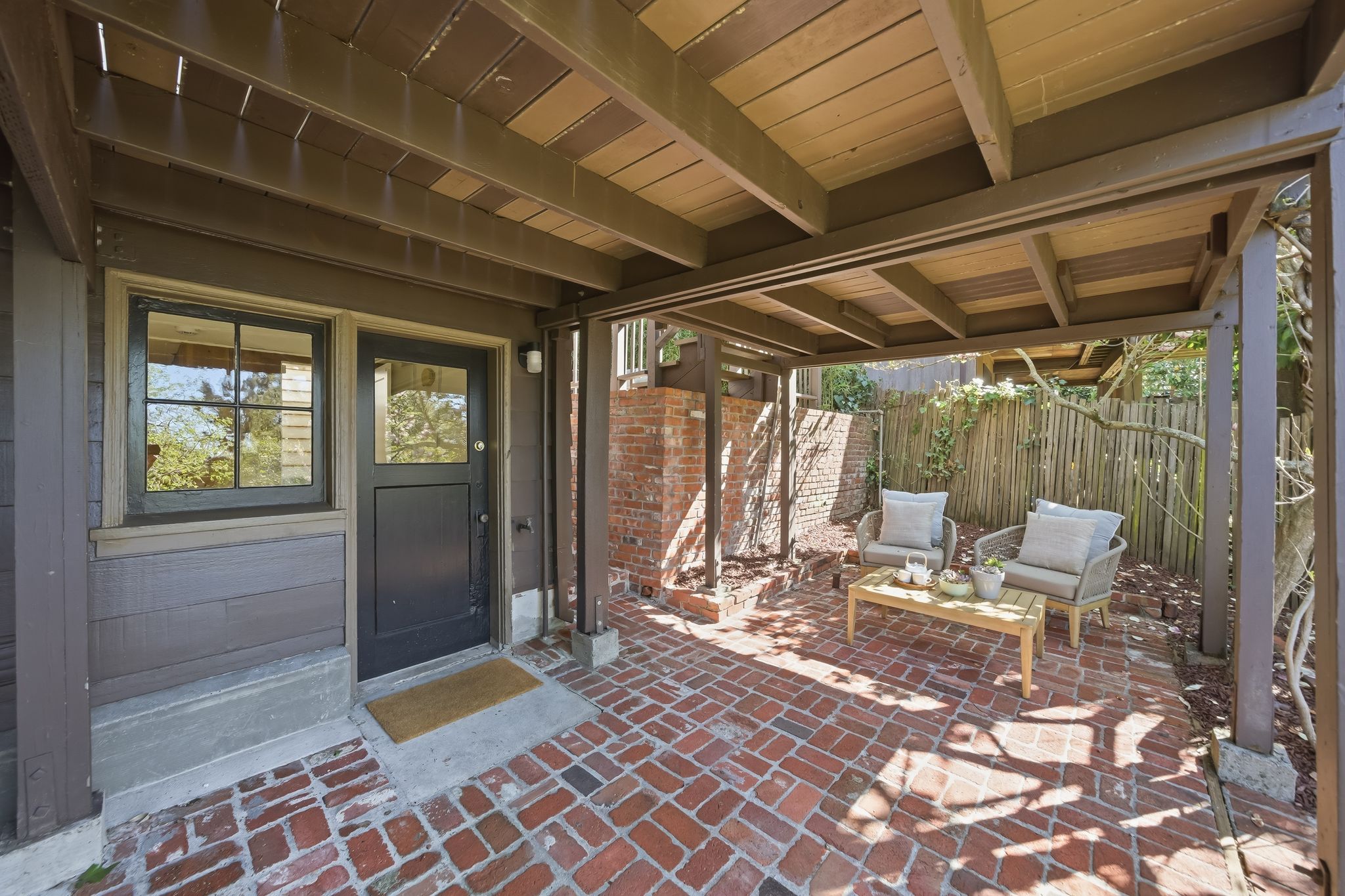
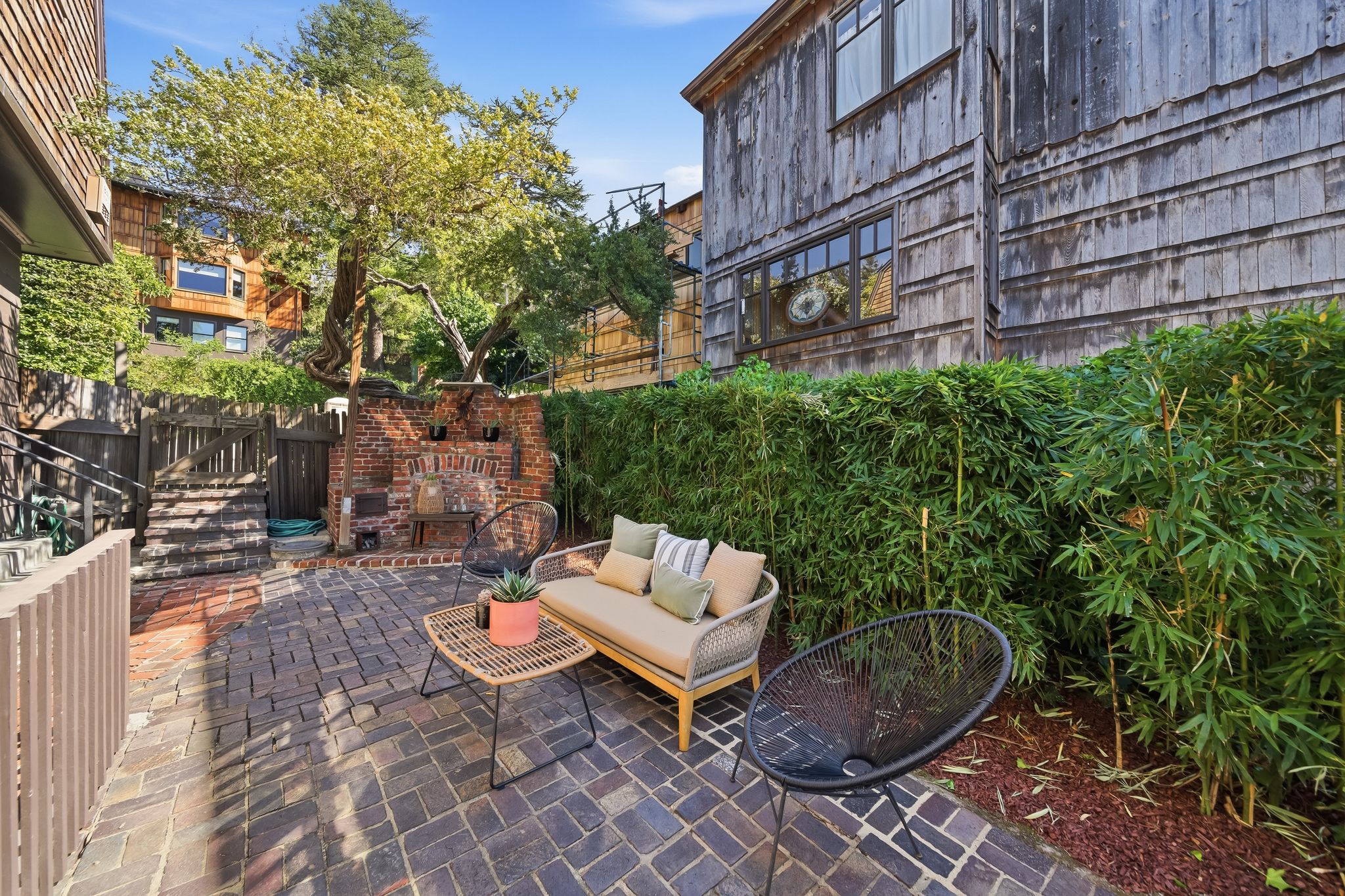
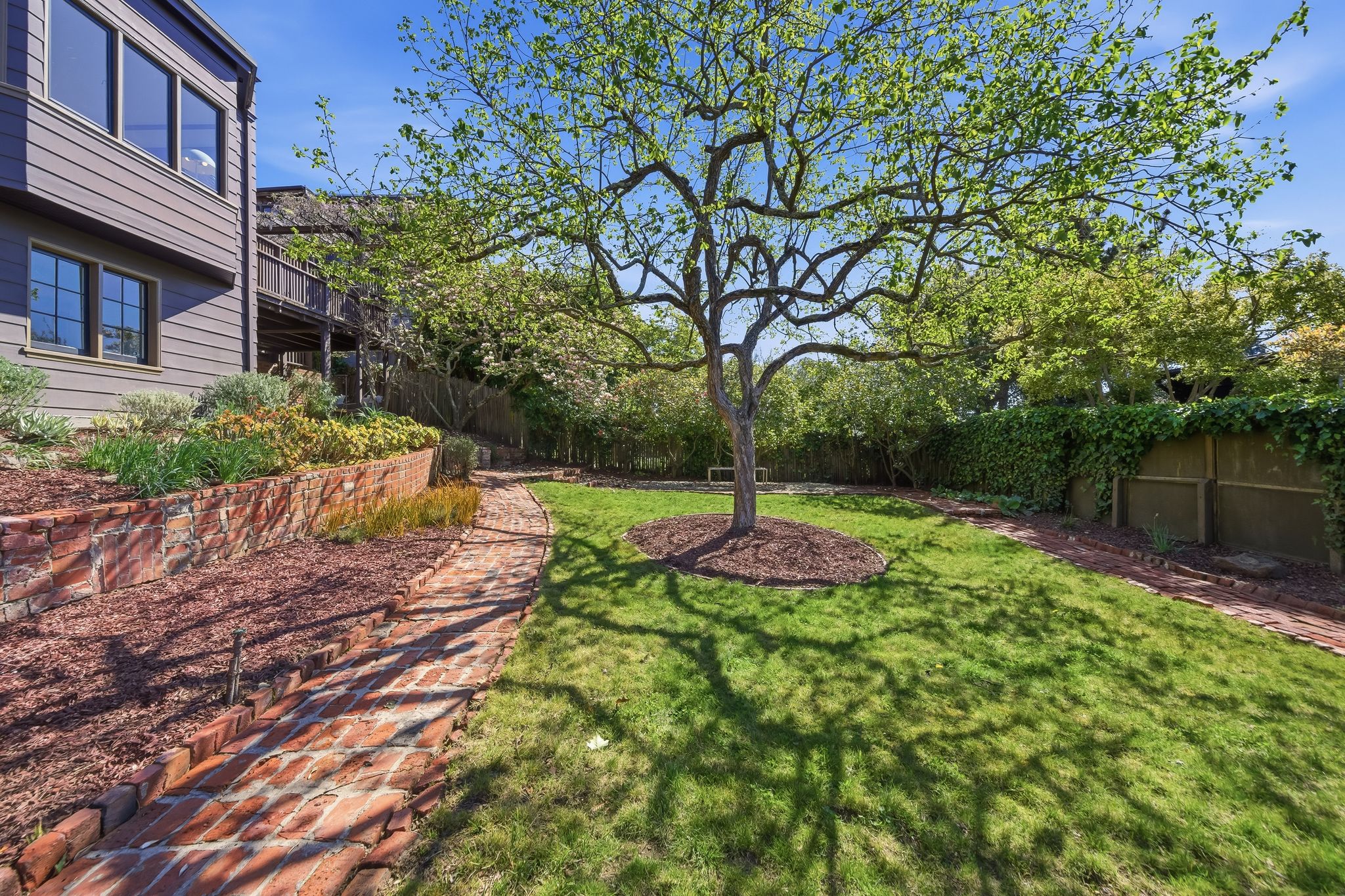
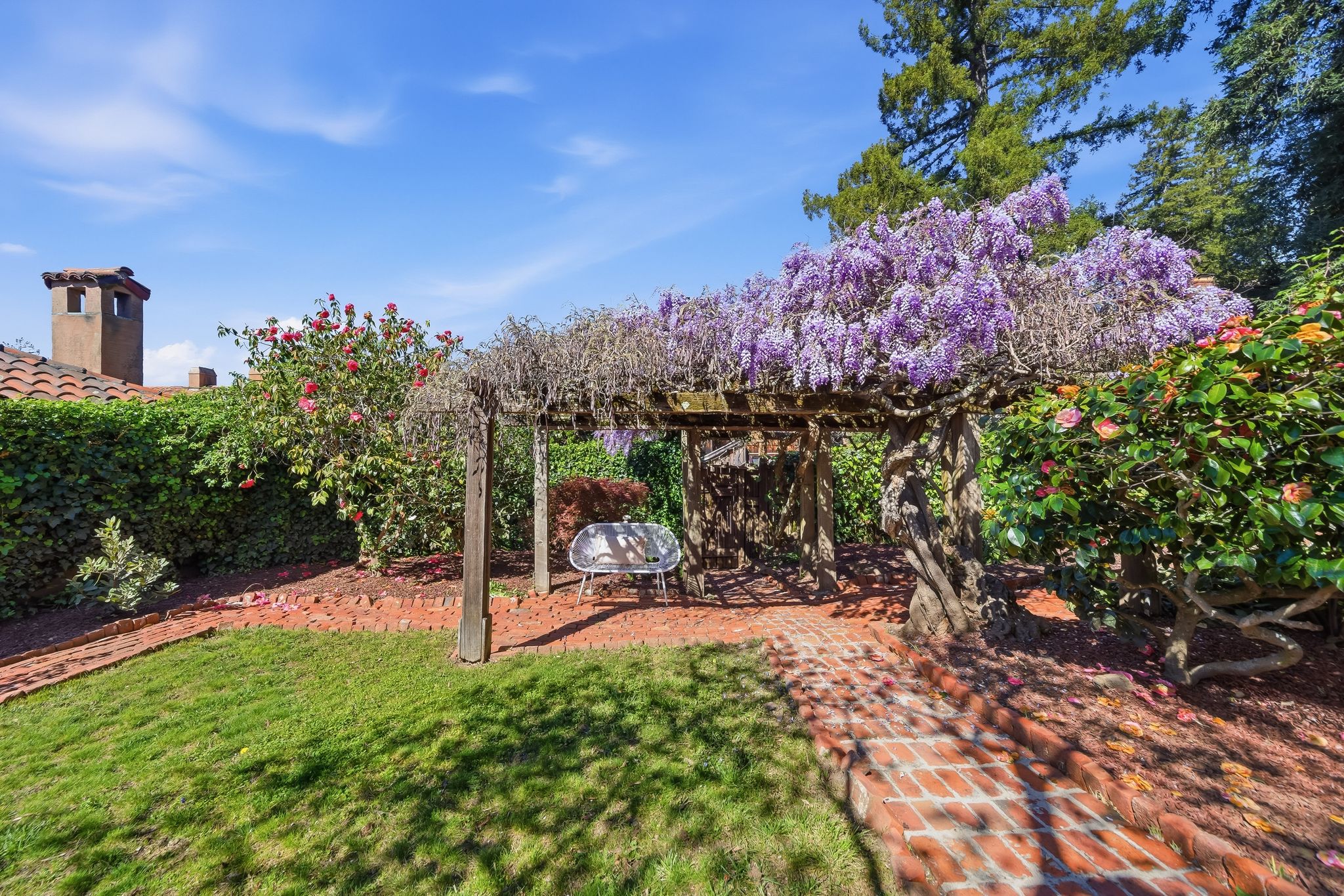
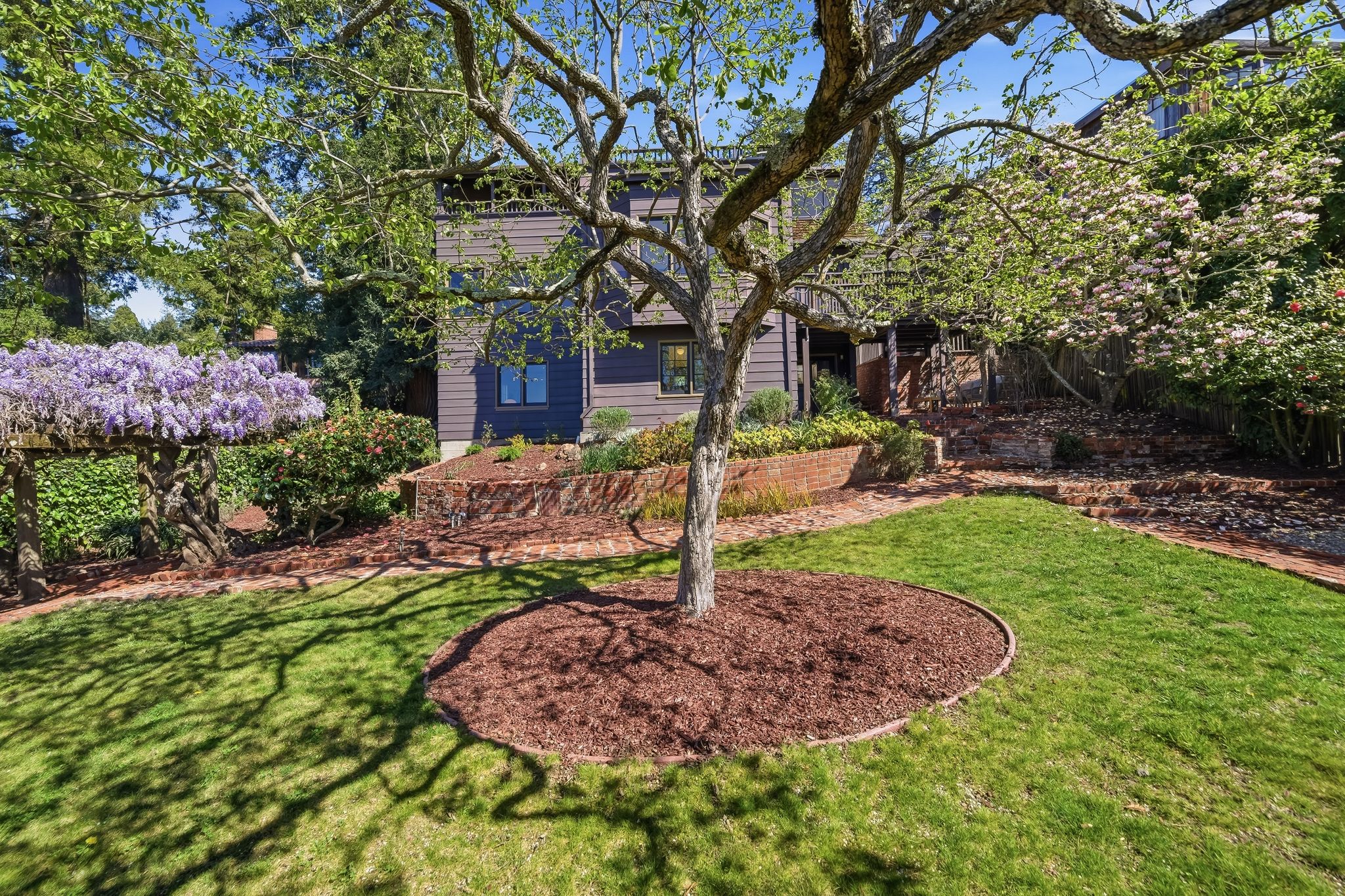
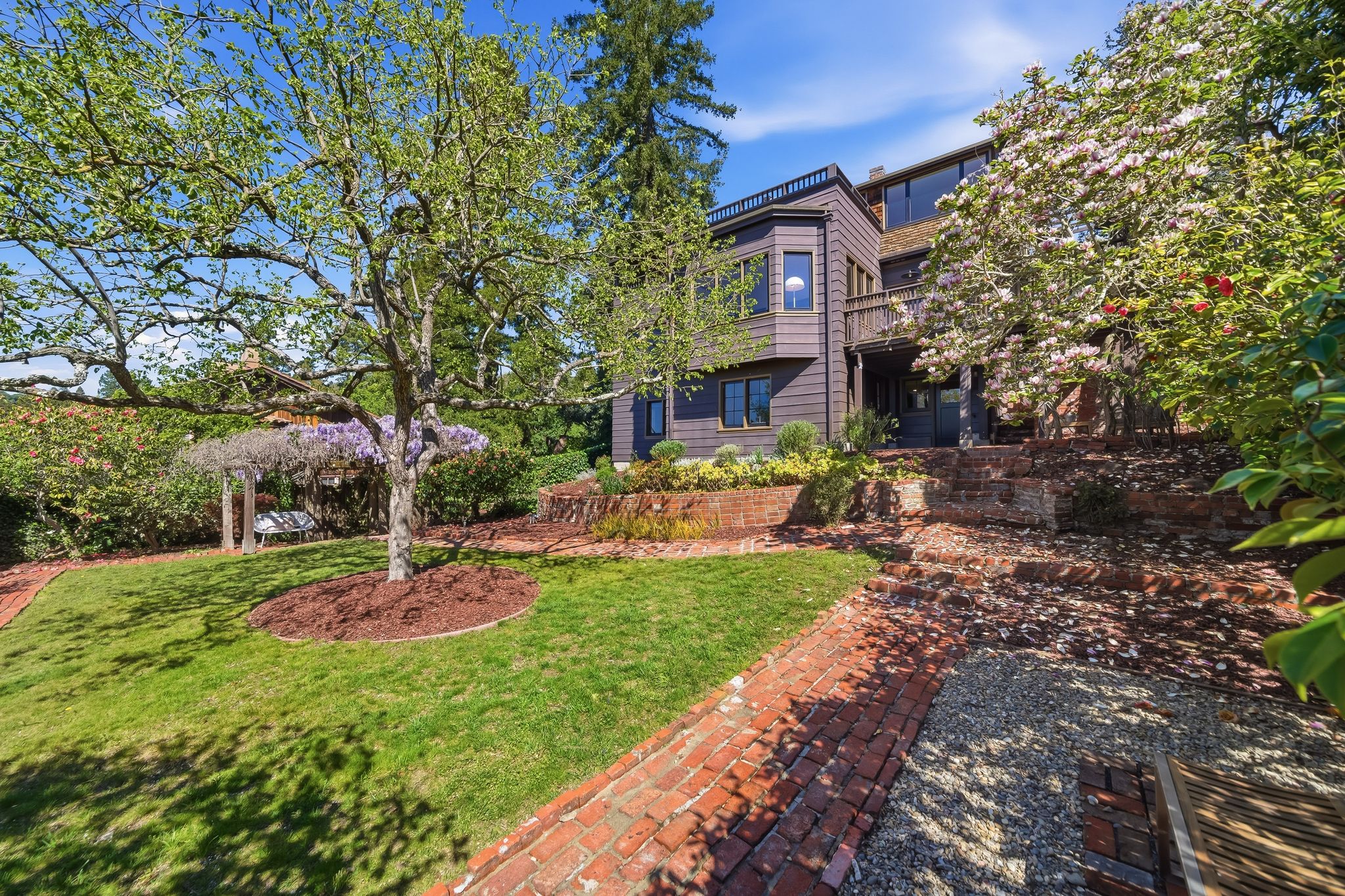
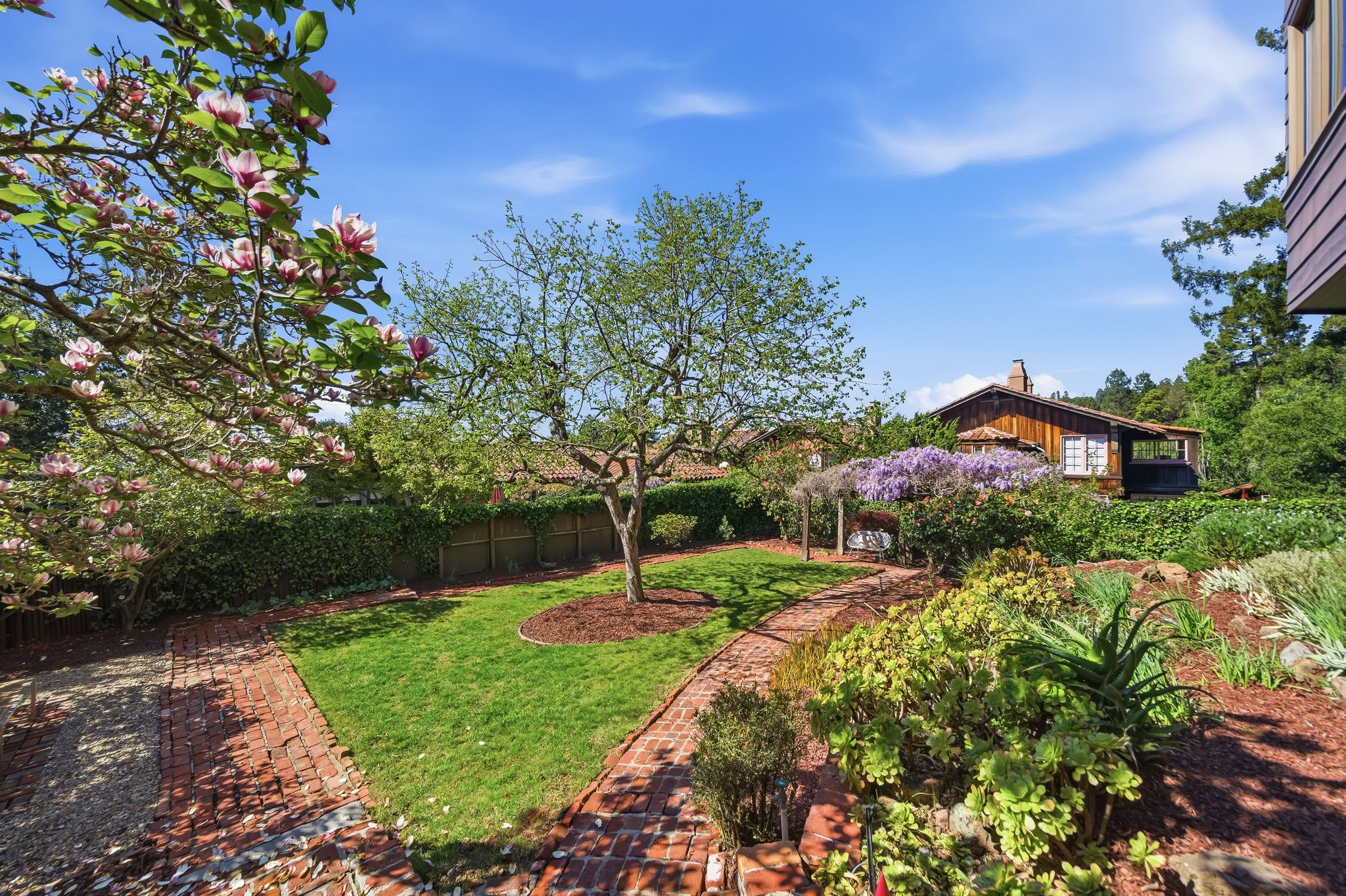
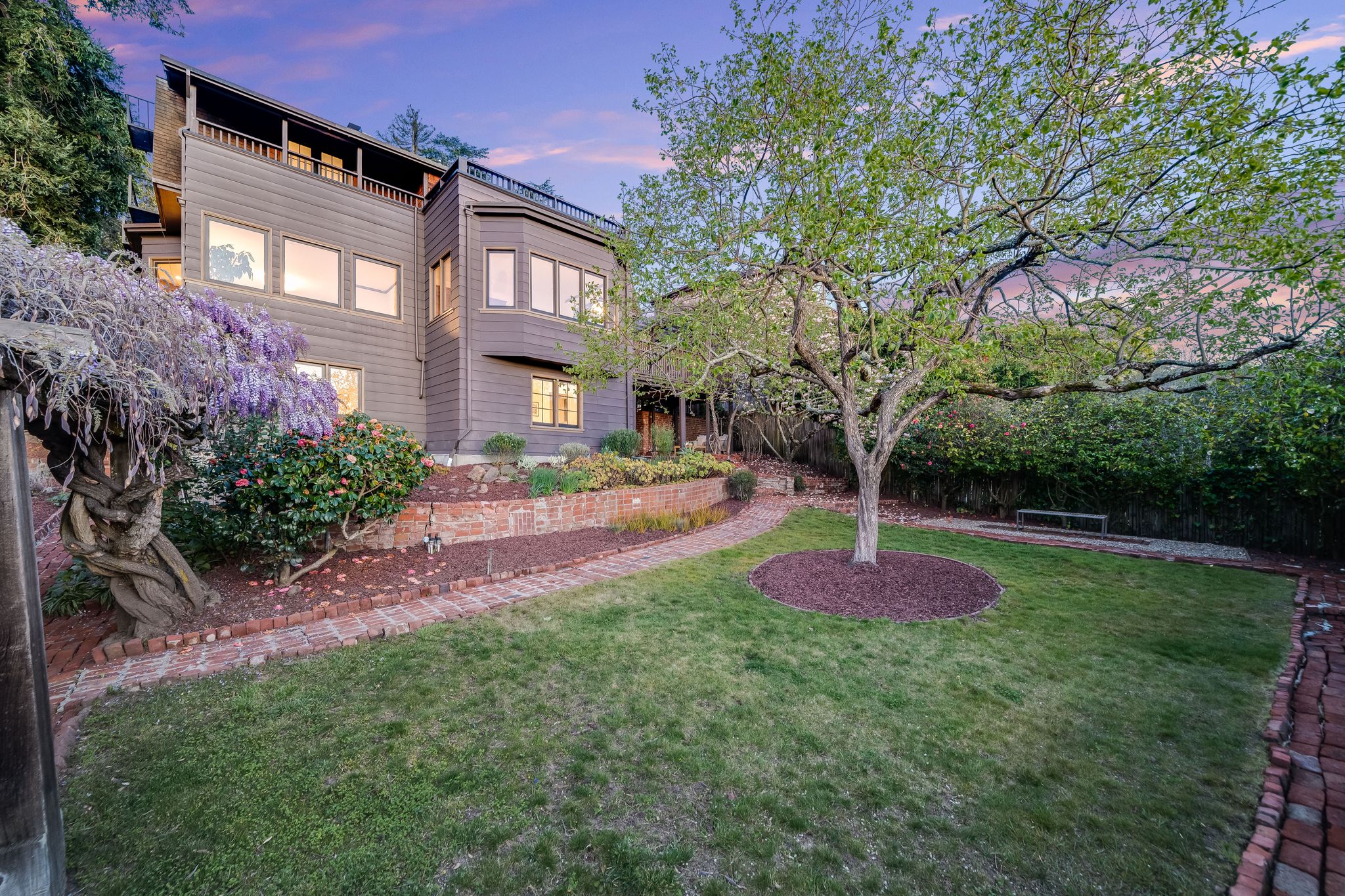
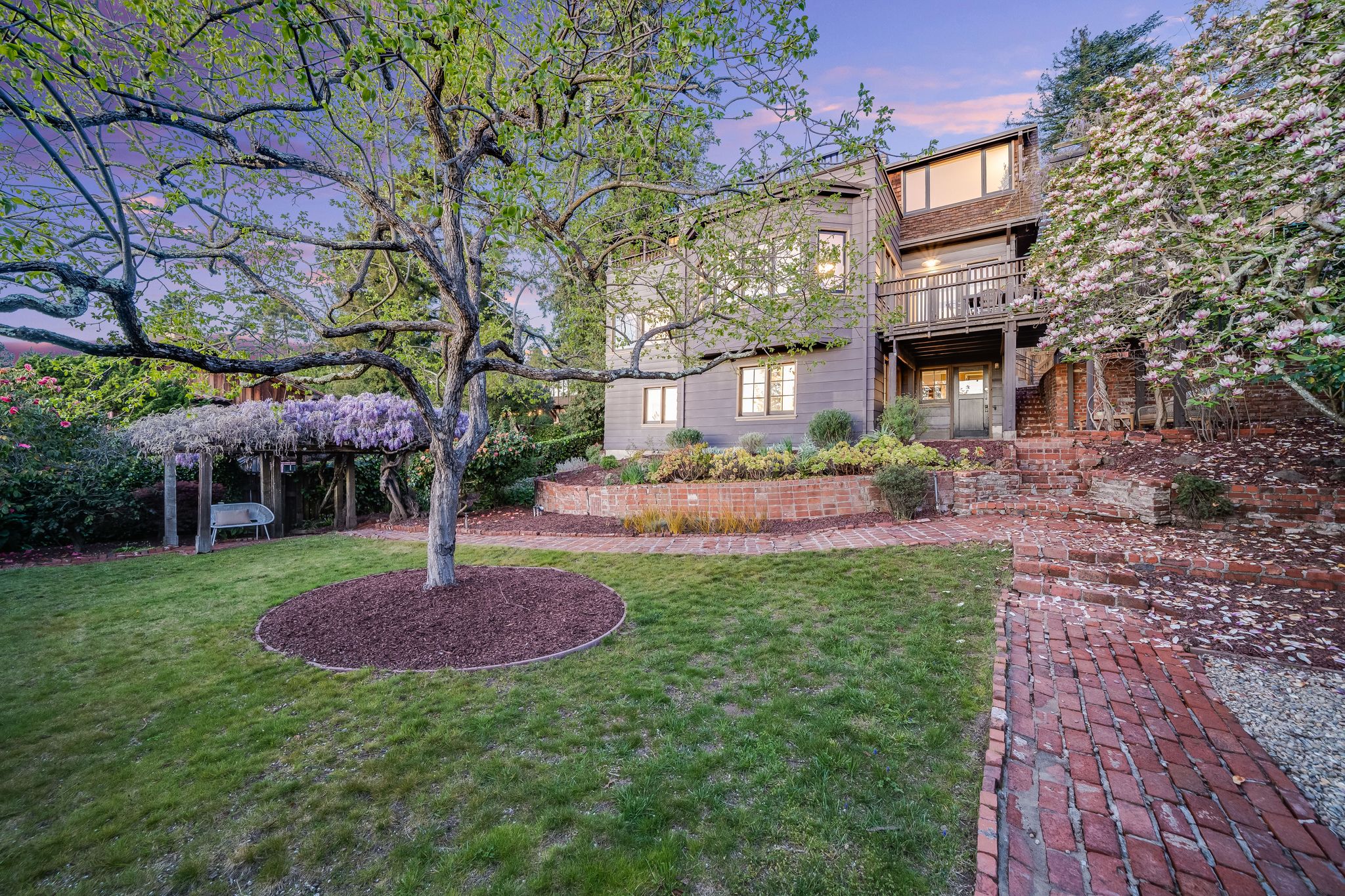
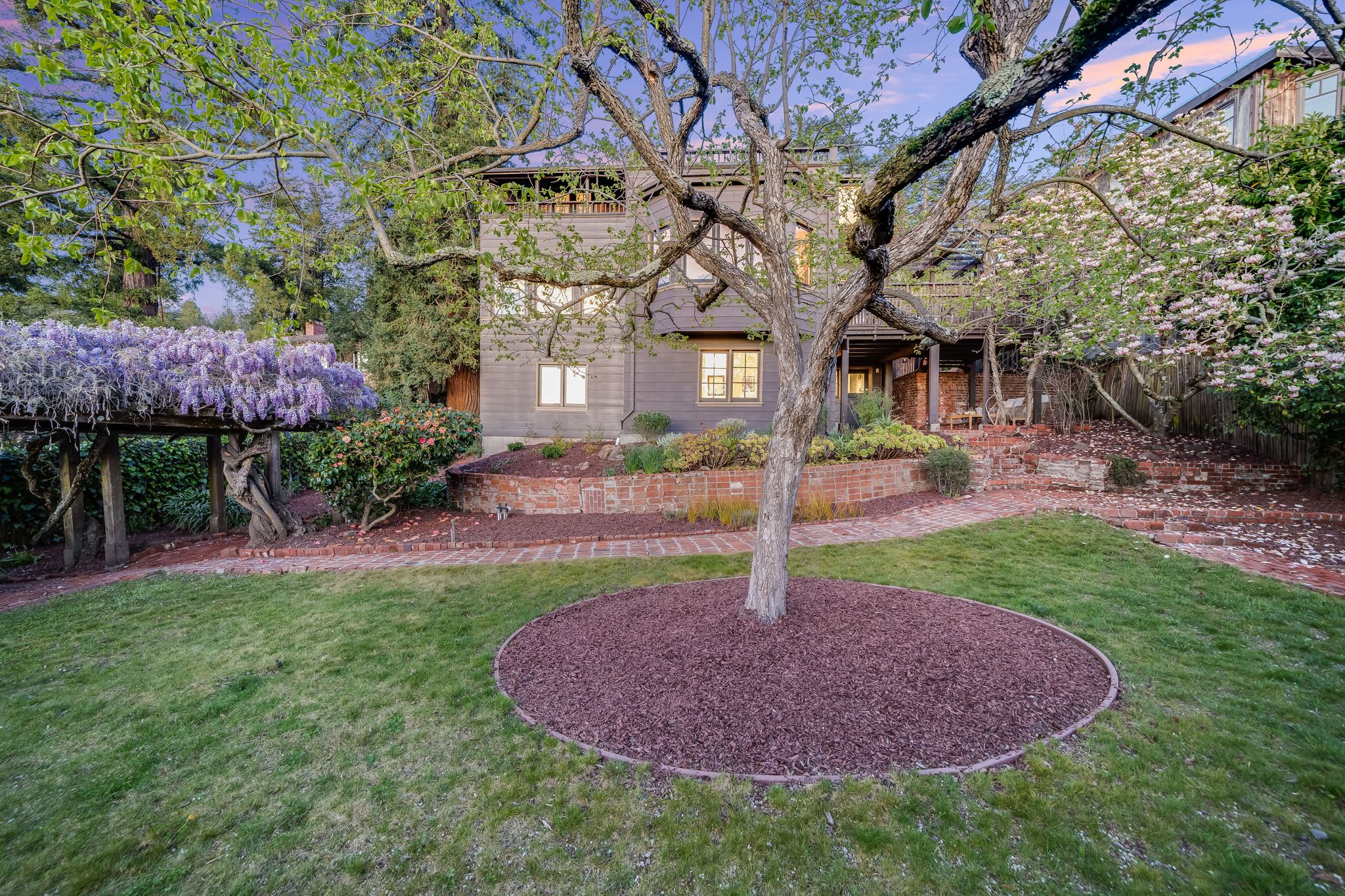
Historical Julia Morgan Design | Original Wood Windows and Baseboards Throughout | Expansive Two-Story Bay Views | Upgraded Electrical Wiring | Multiple Outdoor Patios | Hardwood Floors Throughout | Terraced Backyard | Basement Studio & Bonus Room | Antique Combination Safe | Newly Landscaped Front & Back Yards | Mature Trees and Vines (Persimmon, Magnolia & Wisteria) | New Roof | Fresh Interior Paint | Detached Two Car Garage | Tandem Off-Street Parking | Close to UC Berkeley, Rose Garden & Codornices Park,


Get In Touch
FOLLOW ME ON INSTAGRAM